






The Foil Defense Mechanism
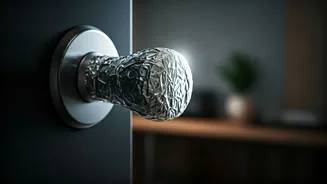
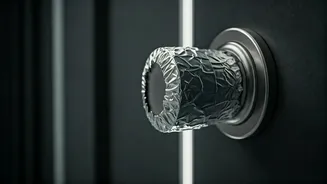
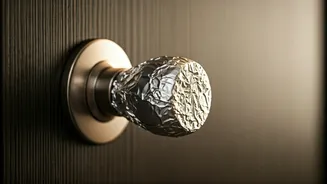
A unique and accessible home security stratagem involves strategically wrapping aluminum foil around door handles. This method is surprisingly effective,
functioning as both a visual cue that alerts you to tampering and an auditory alarm. The core principle behind this technique leverages basic physics and criminology, specifically environmental design theories that suggest making a property appear more difficult to breach can deter potential offenders. It's an incredibly inexpensive solution that significantly bolsters the security of secondary entry points, like side or back doors. The visual aspect is straightforward: any rip or tear in the foil clearly indicates that someone has attempted to access the door. Furthermore, the foil produces a distinct rustling or crinkling sound when manipulated, providing an immediate alert to anyone attempting to enter through that specific door. This dual-action approach makes it a valuable addition to any home's security arsenal, particularly for vulnerable access points.
Psychological Deterrence Factors
The effectiveness of the aluminum foil trick extends beyond its physical properties into the realm of psychological deterrence. Research indicates that burglars are more likely to avoid properties where they perceive a higher risk of being caught. The reflective surface of the foil can mimic surveillance equipment, such as security cameras or motion sensors, leading potential intruders to believe the property is actively monitored. This visual cue can create a sense of unease and increase the perceived likelihood of detection. Studies exploring environmental psychology suggest that features that signal visibility and active supervision make a property less appealing to criminals. Even subtle elements like reflections off shiny surfaces can subconsciously influence perceptions of being observed. While not a foolproof physical barrier, these visual and psychological signals can act as powerful deterrents, giving homeowners greater peace of mind and potentially reducing the chances of an attempted break-in by making the home appear less vulnerable.
Integration with Existing Security
While the aluminum foil trick is a clever standalone deterrent, its true potential is realized when integrated with existing security measures. It should not be seen as a replacement for fundamental precautions like sturdy locks, alarm systems, or video surveillance. Instead, think of it as an enhancement that complements these primary security layers. Research into crime prevention consistently shows that employing a multi-layered approach is significantly more effective than relying on any single security strategy. This means combining physical barriers, robust locking mechanisms, electronic alarms, and visible surveillance systems with subtle environmental cues like the foil. The advantage of the foil lies in its unparalleled affordability and simplicity. It's readily available in most households and requires no complex installation, making it an easy and quick addition to your security setup. Its disposable nature also means it can be easily replaced if tampered with, offering convenience for temporary use or for individuals hesitant to install permanent security devices.
Strategic Placement and Usage
To maximize the benefits of the aluminum foil security trick, strategic placement is key. The most effective locations for applying the foil are typically side doors, garden gates, and back doors. These areas often fall outside the natural line of sight for neighbors and are less likely to be covered by existing security cameras, making them more vulnerable to undetected entry. By placing foil on these less visible access points, you create an early warning system that alerts you to potential problems before they escalate. In areas with lower crime rates, or for renters who face restrictions on altering door hardware, the foil offers an excellent, unobtrusive solution that won't damage walls or violate rental agreements. It seamlessly blends into a broader security strategy and can be paired with other discreet methods. When implemented thoughtfully, this simple precaution transforms into an inexpensive yet effective tool for enhancing your overall safety and responsiveness to potential threats.