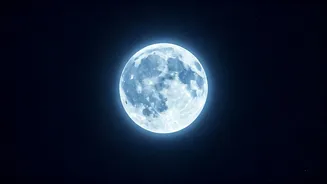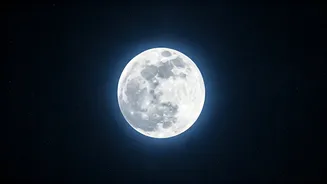



What is a Blue Moon?
The term 'Blue Moon' often sparks curiosity, leading many to anticipate a lunar transformation in hue. However, contrary to popular belief, this celestial
event does not involve the moon physically turning blue. Instead, it's a designation given to a full moon that occurs at a particularly infrequent or special time. There are two primary definitions that have evolved over time. The most widely accepted definition today refers to a 'monthly' Blue Moon, which is simply the second full moon to appear within a single calendar month. While this might sound uncommon, it happens roughly every two to three years. Less commonly, a 'seasonal' Blue Moon is recognized as the third full moon within an astronomical season that features four full moons instead of the usual three. Both instances are considered rare occurrences that offer a unique opportunity to observe our natural satellite.
When and How to See
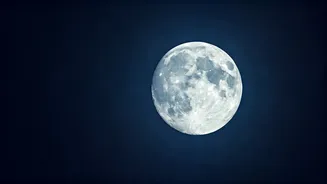
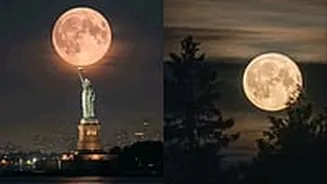
Prepare to mark your calendars for May 31, 2026, as this is the date the next Blue Moon will grace our skies. The precise timing is estimated to be around 8:45 UTC, which will translate to specific viewing times across different regions. Adding to its unique nature, this particular Blue Moon will also be classified as a micromoon. This means it will appear slightly smaller than its usual size because it will be at a more distant point in its orbit around Earth. For those in India and many other parts of the world, the best opportunity to witness this lunar event will be on the night of May 30th into May 31st, 2026. Aim to catch the moonrise shortly after sunset for the clearest and most captivating view of its ascent.
Visibility and Viewing Tips
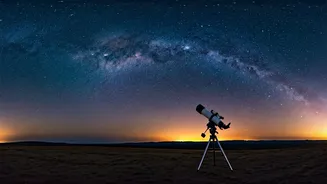
The Blue Moon of May 31, 2026, promises excellent visibility for observers across the globe, including those situated in India. To make the most of this rare spectacle, it’s advisable to find a location with unobstructed views of the sky, ideally away from the glare of urban light pollution. The moon is typically best observed rising above the eastern horizon shortly after the sun has set. Importantly, no specialized equipment is necessary to enjoy this event; the Blue Moon will be clearly visible to the naked eye. However, if you wish to appreciate finer details, binoculars or a camera can certainly enhance your viewing experience, allowing for a more intimate appreciation of its appearance.