





The Humble Potato's Journey
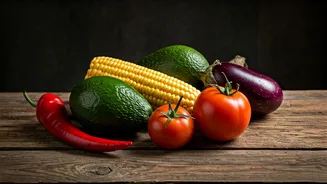
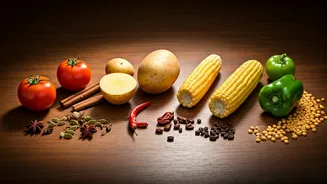
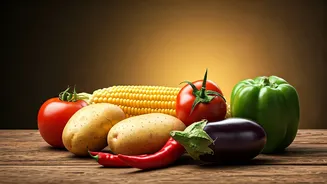
The ubiquitous potato, now a cornerstone of Indian dishes from north to south, has South American roots. Originating in the Andes, it arrived in Europe
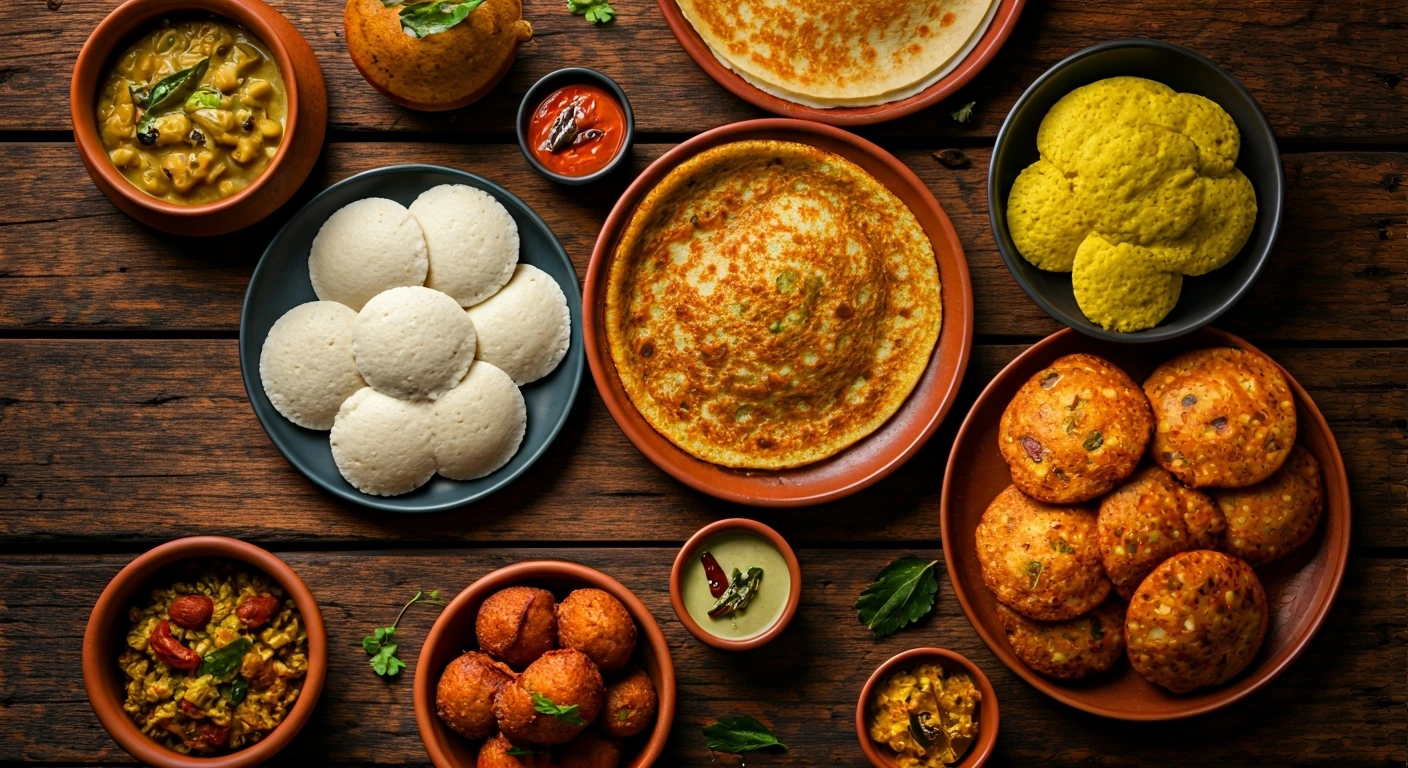
in the latter half of the 16th century before making its way to India via Portuguese traders. Its remarkable adaptability allowed it to seamlessly integrate into Indian cooking, from stuffed parathas to spicy masala dosas, becoming virtually indispensable and feeling completely indigenous despite its foreign origins. Few imported ingredients have achieved such deep and natural assimilation into the nation's kitchens, making its South American passport a fascinating culinary secret.
Tomatoes: Gravy's Global Guest
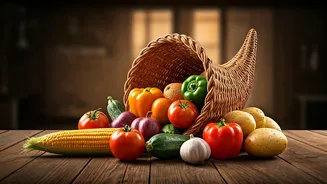
It's difficult to imagine Indian cuisine without the vibrant tang of tomatoes, yet this essential ingredient is not indigenous to the subcontinent. Originating in South America, the tomato made its European debut in the early 16th century, initially met with some skepticism and even relegated to ornamental gardens. However, its inherent acidity and culinary flexibility facilitated its spread across continents. The tomato eventually reached India through the same Portuguese trade routes that introduced other New World crops, becoming a fundamental component in countless gravies, chutneys, and beloved street food preparations.
Chillies: A Fiery Newcomer
The characteristic heat of Indian food owes much to the chilli pepper, another significant arrival from the Americas. Introduced to India during the 16th-century Columbian Exchange via Portuguese traders, chillies gradually supplanted or complemented traditional heat sources like black pepper, long pepper, ginger, and mustard. Their cultivation proved successful across diverse Indian climates, and their affordability and availability increased over time. Cooks quickly discovered their versatility in curries, pickles, and tempering, fundamentally transforming the flavor profiles of regional cuisines and becoming an integral part of India's food identity.
Cashews: Coastal Delicacy's Arrival
Cashews, often perceived as a traditional Indian nut, actually hail from northeastern Brazil. Portuguese traders and missionaries brought the cashew tree to India in the late 16th century, initially planting them along coastlines to combat soil erosion. The crop thrived, particularly in regions like Goa, Kerala, and coastal Karnataka, embedding itself into local economies and harvesting customs. Over generations, the cashew nut transitioned from an imported commodity to a cherished element in Indian sweets, rich gravies, and everyday snacks, demonstrating a remarkable adaptation to both the environment and culinary tastes.
Pineapple's Tropical Embrace
The sweet and tangy pineapple, a quintessential tropical fruit, entered India long after many of the country's established food traditions had taken root. Native to South America, it embarked on its journey to India via Portuguese trade networks during the 16th century, arriving around the mid-1500s. Its ability to flourish in tropical climates, especially in coastal and northeastern areas, facilitated its integration into local diets. Today, pineapples are a common sight, featured on street-side stalls, in festive desserts, and even incorporated into regional curries.
Papaya: A Sweet Southern Stranger
While the papaya feels entirely at home in Indian markets today, its origins lie in Mexico and Central America. This tropical fruit was introduced to India in the 16th century by Portuguese traders, alongside other New World produce. Much like other crops on this list, the papaya arrived as an unfamiliar entity but found lasting success as Indian kitchens embraced and adapted it into their culinary fabric. Its widespread cultivation and use are a testament to how effectively foreign ingredients can become ingrained in local food culture.