



The DIY Facelift Technique
Actress Shenaz Treasury, at 44, has shared a captivating five-minute DIY facelift massage routine, a practice she acquired during a trip to the Maldives
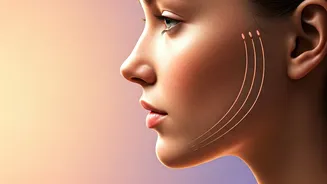
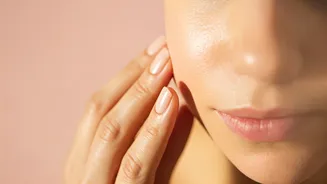
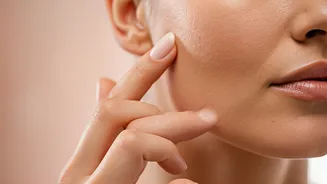
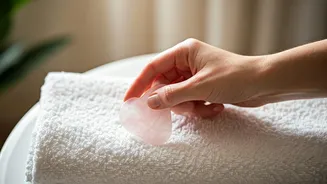
from a professional practitioner. This technique, described as 'face yoga,' aims to invigorate the facial muscles and enhance the skin's natural vitality without any financial investment. Treasury advocates for its ability to make the face appear more 'alive' with just a few simple, targeted movements. The routine involves several specific actions: gently pressing the jawline with the fingers three times, performing lymphatic drainage by sweeping hands from beside the nose towards the ears three times, and lifting motions from the eye corners to the temples, repeated three times. Additionally, it includes holding the 'third eye' area for 30 seconds, pressing outwards, pinching and releasing the eyebrows, sweeping from the temples outwards to smooth the forehead, and performing upward strokes on the neck and cheeks to stimulate collagen. The session concludes with tapping movements on the face and neck, akin to butterfly taps, described as a natural collagen boost and a way to achieve a youthful appearance.
Expert Insights on Efficacy
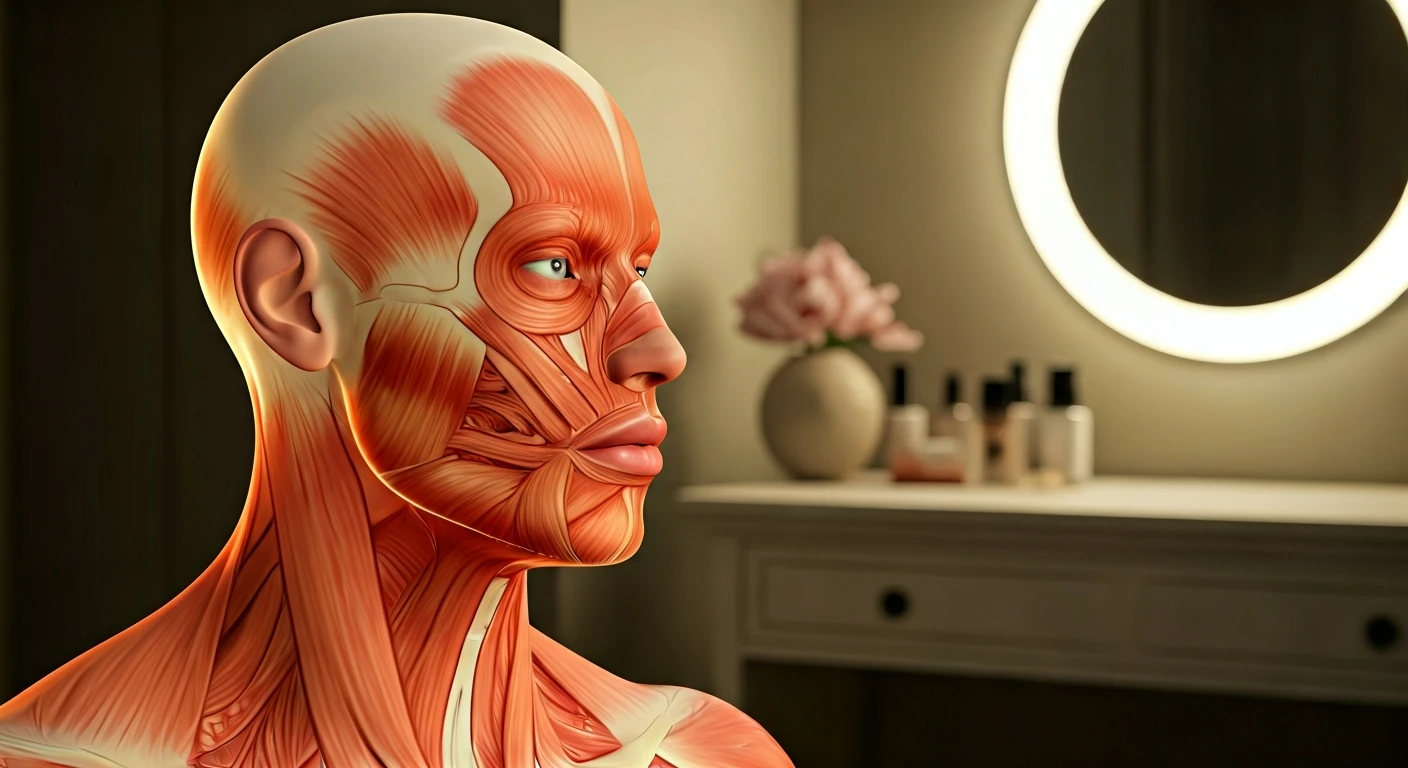
Consulting with Dr. Ajay Dodeja, a junior consultant in dermatology, provides a professional perspective on the effectiveness of face yoga and DIY facelift massages. Dr. Dodeja explains that while these exercises can engage facial muscles and potentially improve blood circulation, leading to a refreshed look, their impact is quite limited. He clarifies that face yoga does not significantly influence skin elasticity or collagen production in a way that can rival established medical or cosmetic procedures. While consistent practice might yield minor improvements, such as reduced puffiness, a temporary brightness from enhanced circulation, and increased awareness of facial muscle relaxation, it's not a solution for tightening sagging skin or reversing profound signs of aging. The perceived benefits often stem from increased blood flow, temporary muscle tone, and the stress-reducing, relaxing effects associated with mindful practice, which can indirectly contribute to healthier-looking skin.
Safety and Limitations
When performed with care and precision, face yoga is generally considered safe. However, Dr. Dodeja cautions against aggressive movements, emphasizing that excessive pulling, stretching, or incorrect techniques can inadvertently stress the skin. This can potentially lead to the development of fine lines rather than their reduction over time. Therefore, adhering to proper techniques and maintaining a moderate approach to the practice is crucial for avoiding adverse effects. It's important to recognize that face yoga primarily impacts superficial muscle activity and offers limited effects at a deeper skin level. It should be viewed as a complementary practice rather than a substitute for scientifically proven skincare regimens and dermatological treatments, which address skin concerns at a cellular and structural level.
Complementary vs. Replacement
Face yoga and DIY facelift massages serve as beneficial additions to a comprehensive skincare routine but should not be considered replacements for established dermatological treatments. Professional advice highlights that scientifically validated methods like daily sun protection, advanced skincare products, and procedures such as chemical peels, laser treatments, and injectables operate at a much deeper stratum of the skin. In contrast, the effects of facial exercises are largely confined to surface muscle engagement. Dr. Dodeja notes that the discernible advantages from face yoga often arise from enhanced blood flow, transient muscle toning, and the mindful relaxation it promotes, contributing to a more vibrant appearance. The calming effect of these practices can also lead to reduced overall facial tension and positively influence general skin health by lowering stress levels.