







AI's Growing Energy Footprint
The relentless advancement of artificial intelligence is creating a colossal appetite for electrical power, compelling major technology firms to channel
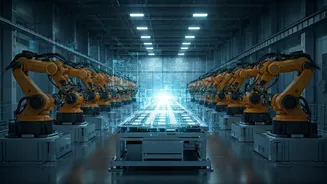
hundreds of billions of dollars into bolstering their data center infrastructure, primarily within the United States. These cutting-edge facilities are inherently energy-intensive, pushing the boundaries of power consumption. However, the challenge extends beyond mere construction; ensuring these power-hungry data centers are connected to stable and abundant energy supplies has emerged as a significant hurdle. This critical issue has prompted leading tech companies, including giants like Amazon, Google, Meta, and Microsoft, alongside emerging AI players like xAI and OpenAI, to collaborate with government bodies. They've entered into agreements aimed at mitigating the impact of escalating energy costs associated with their expansive AI operations, pledging to shoulder the responsibility for their own escalating energy requirements.
Power: AI's Bottleneck
Elon Musk has been a vocal proponent of the idea that electrical power is the fundamental constraint on the future of artificial intelligence. He articulated this concern forcefully, suggesting that the production of AI chips is accelerating at such an astonishing pace that the capacity to power them will soon become a critical bottleneck, potentially even within the current year. Musk's core point highlights a significant disparity: while the manufacturing of AI processors is experiencing exponential growth, the development of the necessary electrical infrastructure to operate them is not keeping pace. This burgeoning imbalance poses a substantial risk to the continued widespread deployment and utilization of advanced AI technologies.
Securing Energy Independence
In response to these looming energy challenges, Google's parent company, Alphabet, has been proactive in securing its own energy provisions, aiming to reduce reliance on the broader public grid. The tech behemoth has made strategic moves, including the acquisition of a power company, to support its ambitious growth trajectory in the AI sector. Furthermore, Alphabet is actively exploring and investing in advanced nuclear reactor technologies, recognizing their potential for providing clean and consistent energy. The company has also entered into demand response contracts with utility providers. These agreements stipulate that its data centers will decrease electricity usage during periods of high demand on the grid, thereby ensuring greater availability of power for its operations at other times and contributing to overall grid stability.
A Shared Energy Concern
Two prominent figures in the technology landscape are now voicing a remarkably similar sentiment regarding the energy infrastructure of the United States. Ruth Porat, the president and chief investment officer of Alphabet, expressed her concerns at the CERAWeek energy conference, stating that the nation might not be expanding its energy supplies quickly enough to accommodate the rapid proliferation of artificial intelligence. She emphasized the urgent need to "embrace every source of energy to meet the moment," a viewpoint that closely mirrors the concerns previously articulated by Elon Musk. This convergence of opinions from leading figures in both AI development and investment underscores the significant and widespread challenge of aligning energy capabilities with the insatiable demands of modern AI.