







A Life Unfolding
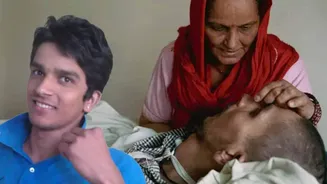
Harish Rana's life took an irreversible turn, leading him into a persistent vegetative state. This situation precipitated a profound legal and ethical
discussion within India. The case brought to the forefront the complex questions surrounding an individual's right to die with dignity, especially when medical intervention prolongs life without consciousness or prospect of recovery. For thirteen long years, Mr. Rana existed in this state, a period that underscored the challenges faced by families and the healthcare system in managing such profound medical circumstances. The prolonged duration of his condition amplified the need for a clear legal framework to address passive euthanasia, sparking national debate and ultimately paving the way for legal recognition in specific, stringent circumstances. His case became a pivotal moment, initiating a conversation about end-of-life care and patient autonomy that continues to resonate.
Legal Landmark
The legal proceedings surrounding Harish Rana's situation were unprecedented in India. His family, seeking to end his suffering and the burden of prolonged medical care without hope, petitioned the courts. This marked the first time India’s legal system grappled with the concept of passive euthanasia in such a direct and sustained manner. The landmark decision, when it finally came, provided a framework for such difficult choices, emphasizing the importance of a living will or clear prior consent when possible, and the role of the judiciary in authorizing such measures. This legal battle transcended the personal tragedy of the Rana family, setting a crucial precedent that would influence future discussions and legal interpretations regarding end-of-life decisions across the nation. The courts' careful consideration aimed to balance the sanctity of life with the dignity of the individual, navigating a path that acknowledged the complexities of irreversible medical conditions.
A Quiet End
After a protracted period of thirteen years in a vegetative state, Harish Rana's journey reached its conclusion. The passive euthanasia, which involved the withdrawal of life support as per the court's authorization, brought a close to a case that had significant legal and societal implications for India. While the specifics of his condition led to this profound decision, the case's aftermath continued to be discussed, highlighting the ethical considerations and the evolving understanding of medical care and personal autonomy. Mr. Rana's passing, though a personal loss for his loved ones, also marked the end of a legal saga that fundamentally shaped the discourse on end-of-life choices in the country. His case remains a testament to the slow but steady evolution of legal and ethical perspectives on difficult medical situations.