





Changing Perceptions of Ageing
The perception of old age in India is experiencing a significant shift. Traditional views often associated aging with decline and dependency. However,
this is gradually changing as more seniors embrace active and fulfilling lifestyles. This evolution is driven by increased awareness of healthcare, improved access to information, and a desire for independence. The changing family structures also contribute, leading to the rise of alternate living arrangements. Myths surrounding senior living, such as the assumption of loneliness and isolation, are increasingly challenged. Seniors are proving that age does not have to mean a loss of purpose or social connection. Modern seniors actively seek ways to engage with their communities and pursue new interests. The desire for a fulfilling life, post-retirement, is shaping a new reality for India's elderly population. This shift in attitudes is reflected in the demand for senior-friendly services and infrastructure, which aim to provide support and enhance the quality of life.
Myths vs. Realities Explored
Many misconceptions cloud the understanding of senior living in India. One common myth is that moving to a senior community equals abandonment. The reality is that these communities often foster stronger social connections and a sense of belonging. Another myth suggests that seniors are frail and incapable of maintaining independence. However, many seniors are active and capable of independent living, choosing community settings to gain access to support services and shared activities. The reality is that these communities provide various levels of care, from independent living to assisted living, catering to diverse needs. Concerns about financial burdens are also prevalent, but a range of options exist, including affordable housing and government schemes. The future of senior living in India depends on dispelling these myths and promoting accurate information. By addressing these misconceptions, we can create a supportive environment where seniors can thrive. This includes advocating for policies that promote financial security, access to healthcare, and social inclusion. Education plays a vital role in informing both seniors and their families about the possibilities and opportunities within senior living options.
The Rise of Community Living
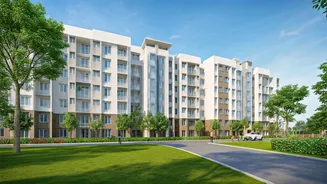
Community living is gaining prominence among India's senior population as a preferred choice. Several factors fuel this trend, including the desire for companionship, security, and access to specialized services. Modern senior living communities offer a range of amenities and activities, promoting social interaction and a sense of belonging. These facilities often include healthcare services, recreational facilities, and organized social events. The focus is on creating a supportive environment where seniors can lead active and independent lives. Furthermore, the changing dynamics of family structures influence this shift. As younger generations relocate for career opportunities, senior living communities offer a practical solution for elders. These communities offer a variety of options, from independent living apartments to assisted living facilities. This allows seniors to choose a setting that best suits their needs and preferences. With increasing demand, more developers are investing in senior living projects, providing more choices for seniors. This trend signals a significant change in how India views and supports its aging population, emphasizing quality of life and individual well-being.
Redefining Life After 60
Life after retirement presents a significant opportunity for personal growth and fulfillment. Many seniors are redefining this stage of life by pursuing new interests, hobbies, and social connections. Retirement offers the time and freedom to explore passions that may have been sidelined during a working career. Some seniors are focusing on lifelong learning by taking courses, pursuing higher education, or simply expanding their knowledge through various resources. Others are dedicating their time to volunteering, giving back to their communities, and supporting causes they believe in. Many individuals are also using their experience and skills to mentor younger generations or start their own businesses. Maintaining physical and mental well-being is vital for enjoying a fulfilling life after 60. This includes staying active, eating a healthy diet, and prioritizing mental health through activities such as meditation or mindfulness. Building and maintaining social connections is another key aspect. Seniors can find support and companionship through clubs, groups, and community events. Redefining life after retirement involves embracing new possibilities, setting new goals, and enjoying the richness of experience.
The Future of Ageing
The future of senior living in India points towards continued innovation and adaptation. Technology will likely play a bigger role, with the development of smart homes and telehealth services to support the elderly. More focus will be placed on creating inclusive and accessible communities, designed to cater to a range of abilities and needs. There is a growing emphasis on holistic wellness, which considers the physical, mental, and social well-being of seniors. This means incorporating activities that promote cognitive health, emotional well-being, and social engagement. Senior living facilities are evolving to be more sustainable and environmentally friendly. This includes using green building practices and incorporating eco-friendly amenities. Furthermore, there is an increase in the integration of senior living options within mixed-age communities. This enhances social interactions and combats isolation. The ongoing trends highlight the importance of understanding and responding to the evolving needs of the aging population in India. By staying informed about the changing landscape, seniors and their families can make better-informed decisions. This ensures that the future of ageing is characterized by dignity, independence, and a high quality of life.