


An Unrivaled Material
The remarkable toughness of the silk produced by the Madagascar spider is a groundbreaking discovery. Researchers have found that this silk is significantly
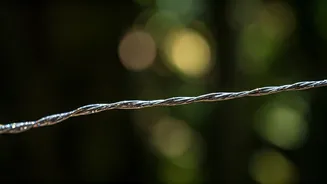
stronger than steel. To put this in perspective, steel is a material often used in construction and is known for its strength. However, the spider silk has demonstrated its ability to resist being broken or torn under significant pressure or stress. This exceptional resilience is a result of the unique structure of the silk, and the way it is produced by the spider. The exact details of its composition and the spider's silk-spinning process remain a subject of active research, but the initial findings have already generated excitement within the scientific community. The discovery highlights the potential of natural materials to outperform even the most advanced human-made ones.
Spider's Web Architecture
This extraordinary spider is known for creating enormous webs, spanning more than 80 feet, which showcases the engineering genius of the species. The size of these webs is a testament to the strength of the silk, as the structure needs to bear the weight and forces of the web itself. The spider's ability to construct such large webs suggests that the silk is not only tough, but also lightweight and flexible, combining high tensile strength with elasticity. The specific environment of Madagascar, with its diverse ecosystem, may play a crucial role in providing the ideal conditions for the spider and its silk, influencing its evolution. Further research on the spider's web design could offer valuable insights into innovative designs for engineered structures.
Potential Industrial Applications
The discovery of this exceptional spider silk has significant implications for various industries. Its exceptional strength-to-weight ratio makes it an ideal candidate for use in high-performance materials. Potential applications include advanced textiles, where it could be used to create stronger and lighter fabrics for protective gear, such as bulletproof vests or outdoor wear. Furthermore, the silk could also be used in the medical field. Its biocompatibility and strength make it suitable for surgical sutures and scaffolds for tissue engineering. Engineers are exploring the possibility of using spider silk in aerospace, where it could contribute to lighter and more durable components for aircraft and spacecraft. The properties of this material could also lead to new innovations in construction.
Ongoing Scientific Research
Scientists continue to study this remarkable spider and its silk, hoping to unlock its secrets and expand its range of applications. Researchers are now working to decipher the precise molecular structure of the silk. They aim to understand exactly how the spider's silk achieves such extraordinary strength. Understanding the production process will be crucial in replicating it. Current studies are focused on analyzing the genes responsible for producing the silk proteins, as well as studying the physical properties of the silk fibers under different conditions. The aim is to develop methods for mass-producing the silk. The long-term goal is to harness the full potential of this natural wonder and integrate it into numerous applications across several industries.
Preserving the Spider's Habitat
The discovery of the Madagascar spider silk has brought increased attention to the importance of conservation efforts. The unique environment of Madagascar is critical to the survival of this spider and the production of its remarkable silk. Preserving the spider's habitat is essential not only for the spider but also for the biodiversity of Madagascar. Deforestation, climate change, and habitat loss pose threats. Increased awareness of the spider's importance can promote actions. This will assist in conservation efforts. Supporting initiatives that protect the spider's natural environment will be essential for ensuring that this remarkable natural resource remains accessible for future research and innovation. This involves safeguarding the ecosystem.