




Swift Journey Unveiled
The Delhi-Dehradun Economic Corridor represents a significant leap forward in intercity connectivity, dramatically reducing the travel duration between
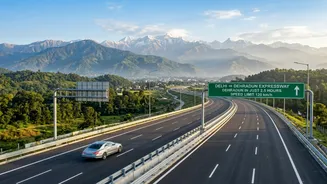
these two vital locations. What once took a considerable six hours of driving will soon be accomplished in just 2.5 hours, marking a paradigm shift for commuters and businesses alike. This ambitious project is designed not only for speed but also to foster economic growth and improve accessibility across the region it serves, connecting major urban centers and tourist destinations with unprecedented ease. The expressway is engineered with advanced features to ensure a smooth and efficient travel experience for all users, promising a more streamlined journey and opening up new possibilities for regional development and tourism.
Eco-Conscious Design
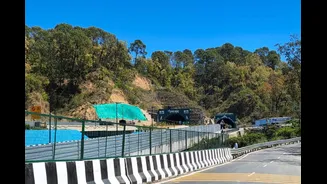
A remarkable aspect of the Delhi-Dehradun Economic Corridor is its integrated approach to minimizing human-wildlife conflict, acknowledging the ecologically sensitive nature of the region. This forward-thinking design incorporates several key features aimed at facilitating unimpeded animal movement. A standout element is a 12-kilometer-long elevated wildlife corridor, positioning it among the longest of its kind in Asia. This corridor strategically traverses the delicate Rajaji National Park within the Shiwalik Hills, ensuring minimal disruption to the natural habitat. Further enhancing this commitment are eight designated animal crossings and two substantial elephant underpasses, each spanning 200 meters. Additionally, a 370-meter tunnel near the Daat Kali temple has been constructed to provide safe passage, demonstrating a profound dedication to ecological preservation alongside infrastructure development.
Key Project Metrics
The expansive Delhi-Dehradun Economic Corridor spans an impressive 213 kilometers, offering a direct and efficient route between the two cities. This six-lane, access-controlled highway has been brought to fruition with an investment exceeding Rs 12,000 crore, passing through the states of Delhi, Uttar Pradesh, and Uttarakhand. For frequent travelers, the economic benefits are tangible; users with FASTag annual passes can anticipate a toll charge of just over Rs 60 for a one-way journey, which includes crossing four toll plazas. The project's scope also encompasses the creation of 10 interchanges, three railway overbridges, and four major bridges, alongside 12 wayside facilities designed to support smooth, high-speed transit and enhance the overall travel convenience.
Phased Construction Progress
The development of the Delhi-Dehradun Economic Corridor has been strategically structured into four distinct phases to optimize efficiency and manage complexity. The initial 31.6-kilometer stretch, connecting Akshardham to Khekra near the Eastern Peripheral Expressway, primarily utilized a brownfield approach, upgrading an existing route into a six-lane elevated road complete with a parallel service lane. The second phase, a significant 120-kilometer segment from the EPE interchange at Baghpat to the Saharanpur bypass, was developed entirely as a greenfield project, signifying new construction. The third phase, covering approximately 42 kilometers from the Saharanpur bypass to Ganeshpur in Uttarakhand, has already been successfully completed. The final segment, roughly 20 kilometers long, extends from Ganeshpur to Dehradun, featuring a 4.6-kilometer upgraded section with the remainder being newly constructed.
Speed and Economic Boost
To ensure efficient transit, the Delhi-Dehradun Economic Corridor has implemented specific speed limits: trucks are permitted to travel at 80 kmph, while cars can reach speeds of up to 100 kmph. Beyond facilitating rapid travel, this new expressway is poised to be a catalyst for regional economic development. By significantly improving connectivity between key tourist destinations and commercial hubs, it is expected to stimulate trade, encourage new business ventures, and create a wealth of development opportunities throughout the areas it serves. The expressway's advanced traffic management system further bolsters safety and travel efficiency, making it a cornerstone of future regional prosperity and connectivity.