
Sodium's Silent Threat
High salt intake is a major contributor to high blood pressure, placing a significant strain on the kidneys over time. Health guidelines recommend a daily
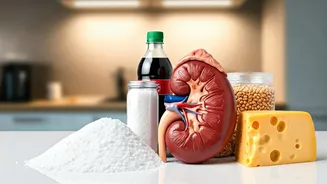
sodium intake of approximately 2300 mg to maintain healthy blood pressure levels. For individuals dealing with kidney disease or high blood pressure, a lower intake of 1500 mg may be more appropriate. The World Health Organization (WHO) suggests a maximum of 5 grams of salt per day. Excessive sodium can disrupt mineral balance, resulting in swelling, fluid retention, and added stress on the kidneys. As an alternative, incorporate herbs and spices such as cumin, coriander, ginger, lemon, pepper, and garlic, or use rock salt in moderation.
The Kidney's Role
Kidneys are essential organs responsible for maintaining overall health. They act as the body's filtration system, eliminating toxins, excess salts, and waste from the bloodstream. They are also crucial in regulating fluid and electrolyte balance. Furthermore, the kidneys control blood pressure, support red blood cell production, and activate vitamin D for strong bones. They maintain the body’s acid-base balance, ensuring proper organ and tissue function. Given these vital functions, it’s crucial to be aware of how dietary choices affect kidney health. Many regularly consumed foods can be detrimental to the kidneys.
Dairy Dilemma Explained
While dairy products, such as milk and yogurt, are recognized sources of calcium and protein, overconsumption, especially of full-fat varieties, can elevate calcium levels. This elevation may potentially contribute to the formation of kidney stones. A study indicated that increased consumption of low-fat dairy products could lead to a modest reduction in the prevalence and incidence of chronic kidney disease (CKD) over a 10-year period. In place of dairy products, consider incorporating alternatives like low-fat curd, toned milk, or plant-based milks such as almond or oat milk. For additional calcium intake, green leafy vegetables such as spinach and ragi are excellent choices to integrate into your daily diet. Individuals with known food allergies should seek medical advice before making any dietary changes.
Sugar's Sneaky Impact
Sugar contributes to obesity, which elevates the risk of both high blood pressure and diabetes, the primary causes of kidney disease. It has been hypothesized that sugar consumption, particularly in the form of fructose, can lead to kidney disease. Excessive sugar intake, particularly from sugar-sweetened beverages, is linked to a higher risk of chronic kidney disease (CKD) through mechanisms like increased uric acid levels, obesity, diabetes, and inflammation. A diet high in sugar also raises the risk of diabetes, obesity, and high blood pressure, the three major causes of CKD. Sugary foods and drinks can also trigger inflammation, increasing the workload on the kidneys by raising the amount of waste they need to process. Healthier options include dates, jaggery, dhaga mishri, and fruits such as mango, chikoo, banana, and custard apple.
The Processed Food Problem
A 2022 study revealed that individuals who consume a large amount of processed foods have a 24% higher risk of kidney disease. These foods are heavily processed and packed with artificial additives, added sugars, refined carbs, unhealthy fats, and sodium while being low in fiber, protein, and essential nutrients. Processed foods also often lack fiber and are high in sugars, which can increase the risk of obesity, diabetes, and other metabolic issues that are detrimental to the kidneys. The National Kidney Foundation recommends focusing on whole foods like fruits, vegetables, and grains. Consult a healthcare practitioner or a kidney dietitian before modifying your diet. Consider homemade snacks such as roasted chana, poha chivda, or baked makhanas as alternatives to packaged foods for a balance of taste and nutrition.
Grains and Potassium
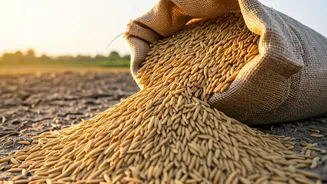
Brown rice contains elevated levels of phosphorus and potassium, potentially complicating processing for impaired kidneys. Likewise, bananas provide a significant amount of potassium, which healthy kidneys can manage but diseased kidneys cannot. The accumulation of these minerals can strain the kidneys, resulting in fluid imbalances, muscle weakness, and cardiac changes that may not be noticed until symptoms worsen.
Water: Kidney's Best Friend
Water is essential for kidney health and overall well-being. Dehydration can damage the kidneys, particularly during strenuous activities or in hot weather. Water helps the kidneys remove waste, prevents kidney stones, and improves the effectiveness of UTI medications. A study shows that higher water intake supports kidney health by slowing the progression of chronic kidney disease (CKD), reducing cyst growth in polycystic kidney disease (PKD), and lowering the risk of renal impairment. While there is no substitute for water, make sure you consume enough water daily to maintain the health and proper function of your kidneys.
Dangers of Deep-Fried Foods
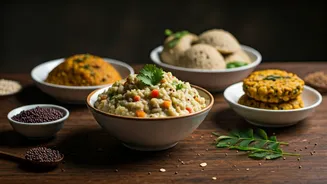
Deep-fried snacks, while tempting, can harm the kidneys over the long term. Reheating oil and consuming trans fats can lead to inflammation, obesity, and blood pressure issues, all of which are linked to kidney problems. Deep-fried snacks are a part of ultra-processed foods (UPFs) that are high in unhealthy fats and advanced glycation end-products and can increase the risk of chronic kidney disease (CKD). Experts suggest that steaming or grilling snacks, such as dhokla or idli, or choosing baked cutlets, are better choices. Using an air fryer or making homemade versions of popular snacks with less oil can also reduce health risks.
Meat and Protein Intake
Meat provides a rich source of protein, which supports muscle building, healing, and overall health. However, animal proteins, especially red meat, can contain high levels of unhealthy fats. Studies show that a high intake of red meat can harm kidney health by increasing the incidence of chronic kidney disease (CKD), the progression to end-stage renal disease (ESRD), and the risk of renal cell carcinoma (RCC). You can incorporate moong dal, rajma, chana, paneer, tofu, or even curd in your daily diet to get enough protein without overburdening your kidneys.