






The Power of Fat
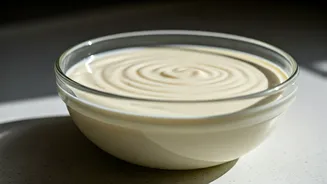
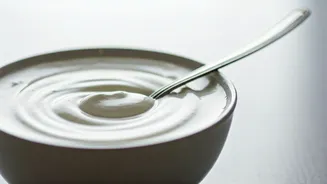
The key to luxuriously creamy curd begins with the quality of your milk. Opting for full-fat milk is paramount because its richer fat content provides
a robust foundation for a stable protein network, which is essential for a thick and desirable texture. In contrast, milk varieties that have undergone toning or skimming, due to their reduced fat composition, are more prone to expelling liquid during the setting process. This means that when you choose full-fat milk, you're setting yourself up for a superior curd that is less likely to release that unappealing watery layer, ensuring a delightful culinary experience with every spoonful.
Starter Balance is Key
Achieving the perfect curd hinges on using the correct proportion of starter culture. Many home cooks mistakenly believe that adding a larger quantity of starter will expedite the curdling process and result in a thicker consistency. However, this approach often backfires, leading to accelerated fermentation that can make the curd excessively sour and significantly increase the likelihood of whey separation. The optimal strategy involves a balanced addition: approximately 1/4 to 1/2 teaspoon of starter is typically sufficient for every 500 ml of milk. This measured approach ensures a controlled fermentation, yielding a pleasant tang and a firm texture.
Temperature Control Matters
Maintaining the right ambient temperature is absolutely critical for successful curd setting. The ideal environment for the beneficial bacteria to work their magic is between 30°C and 40°C. If the surrounding temperature is too low, the fermentation process will be sluggish, and the curd may not set at all. Conversely, excessive heat or prolonged incubation can lead to over-fermentation, a common culprit behind the separation of that translucent liquid. To combat the chill during colder months, ingenious methods like placing the curd container inside a switched-off oven or microwave, or simply wrapping it snugly in a warm cloth, can help create the necessary consistent warmth for optimal curd formation.
Lukewarm Addition Technique
The temperature at which you introduce the starter culture to the milk is a pivotal step in ensuring a smooth and creamy outcome. The ideal range for this crucial moment is between 35°C and 40°C, often described as lukewarm. While a kitchen thermometer can provide precise measurements, a traditional and reliable method involves dipping a finger into the milk; it should feel comfortably warm without being hot. Furthermore, once the lid is secured, it is vital to avoid any disturbance to the container. Shaking or moving it can disrupt the delicate formation of the protein structure, leading to a less stable curd that struggles to retain moisture effectively.