




West Bengal's Festive Feast
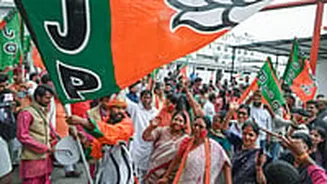
As election trends indicated a significant lead for the BJP in West Bengal, a wave of jubilation swept through the state. At counting centers and party
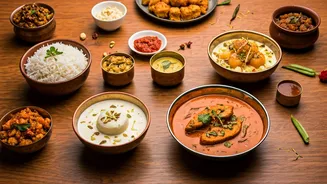
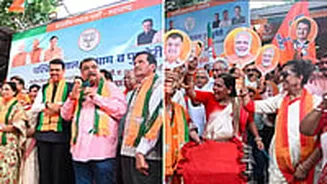
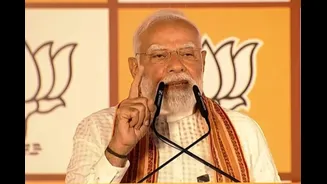
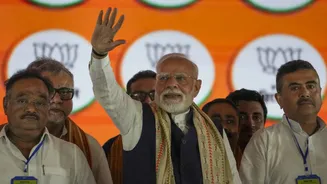
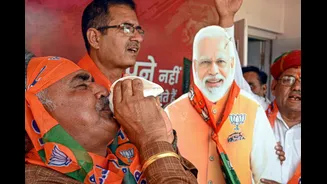
offices, supporters and workers embraced their anticipated victory with a spread of traditional Bengali cuisine. The offerings included delectable fish curry, plain rice, hearty dal, and the rich flavor of katla fish curry, alongside fish head curry, embodying the regional culinary heritage. These meals weren't just sustenance; they were shared experiences, fostering camaraderie as people gathered to witness the unfolding results. In areas like Alipore, the celebrations were amplified with the aroma of chicken biryani and various fish preparations, culminating in the sweet indulgence of jalebis. The streets buzzed with energy as rosogollas, laddoos, and sandesh were distributed, with mishti doi also making an appearance. A unique element was the widespread distribution of jhalmuri, served in convenient paper cones. This humble snack had gained particular prominence during the election campaign, following Prime Minister Narendra Modi's memorable stop at a roadside stall to enjoy it, a moment later integrated into campaign narratives. The involvement of women workers and supporters in street celebrations, chanting traditional slogans like “jhal legeche,” added to the vibrant atmosphere as the election trends solidified.
Delhi's Celebratory Spread
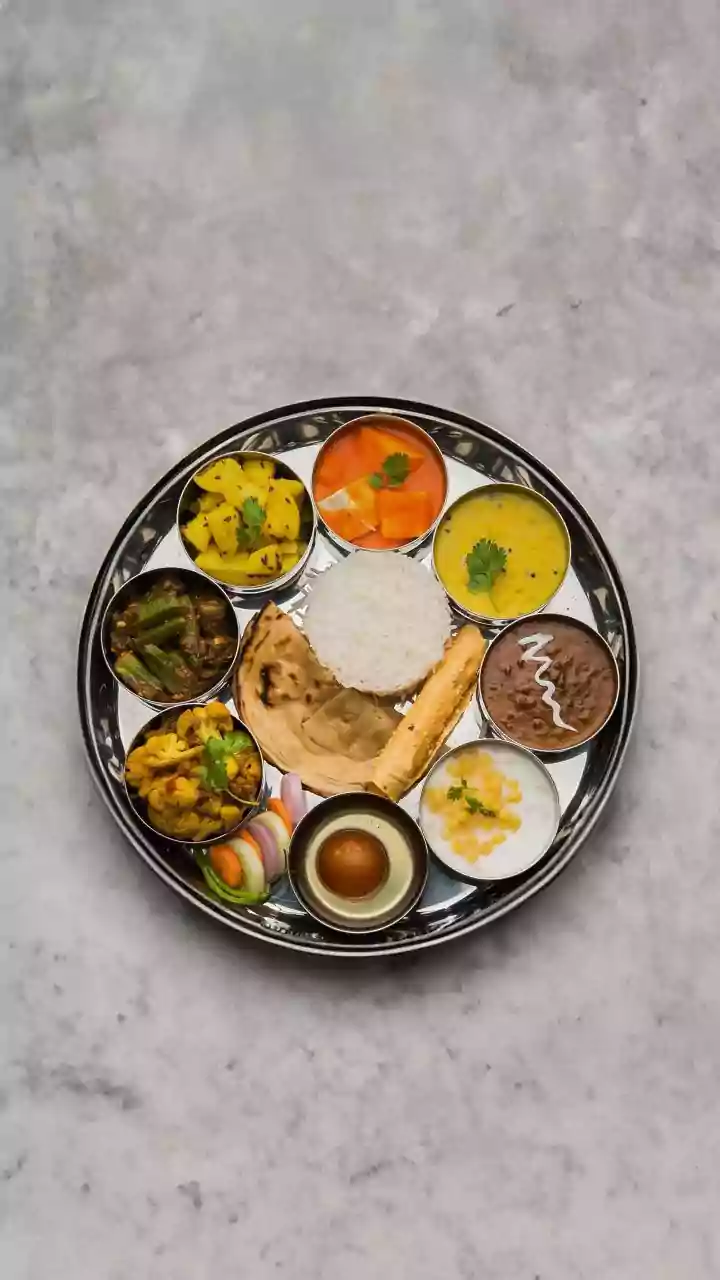
The BJP's electoral triumphs resonated beyond West Bengal, reaching the nation's capital, Delhi, where similar food-centric celebrations took place. Chief Minister Rekha Gupta, along with her Cabinet ministers, partook in the festivities, marking the party's performance with the ever-popular jhalmuri and sweet rosogollas. The celebratory spirit extended to individual residences and party offices. BJP MP Manoj Tiwari marked the occasion at his home by cutting a rosogolla cake with his family, a sweet gesture reflecting the anticipated strong lead in West Bengal. Similarly, BJP leader Virendra Sachdeva acknowledged the party's success in both West Bengal and Assam by sharing mishti doi. At the main BJP headquarters in New Delhi, an extensive food arrangement was in place throughout the day, catering to a continuous stream of party workers and visitors. This elaborate menu, prepared in batches, featured a variety of dishes designed to satisfy diverse palates. The spread included popular Indian staples like aloo poori, poha, sandwiches, jalebi, dal tadka, kadhi pakoda, parwal aloo, rice, and papad. For those with a sweet tooth, an array of traditional sweets such as rasgulla and mishti doi were available. To complement the meal, refreshing drinks like lassi and fresh fruits were also served, with the preparations scaled to accommodate hundreds of people over the course of the day.
Food as Political Symbolism
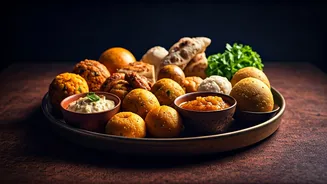
Food's role in these celebrations transcended mere sustenance; it became a powerful symbol intertwined with political narratives. In West Bengal, the elaborate food displays indirectly addressed campaign allegations by the Trinamool Congress, which had suggested that a BJP government might curb dietary choices. The BJP's extensive use of local delicacies in their victory celebrations served as a direct rebuttal, reinforcing their commitment to preserving the state's food culture. This practice isn't new; the BJP has previously employed food as a celebratory emblem. During the Bihar assembly polls, when the NDA surpassed the 200-seat mark, celebrations across BJP and Janata Dal (United) offices were marked by the distribution of jalebis and the traditional Bihar dish, litti chokha. In Delhi, the BJP headquarters mirrored this with a Bihar-themed menu, featuring sattu paratha and baingan chokha. The symbolic use of food also extended to gestures of electoral victory and defeat. Following the Haryana Assembly elections, BJP workers notably sent jalebis to Congress leader Rahul Gandhi’s office, a pointed act signifying the party's triumph. In Maharashtra, during the civic elections, the term 'rasmalai' became a jibe, with BJP leaders using it on social media to celebrate their alliance's strong performance, referencing earlier political commentary. This strategic use of culinary elements underscores food's deep cultural significance and its potent ability to communicate political messages and foster collective identity during significant events.