





The Viral Bill
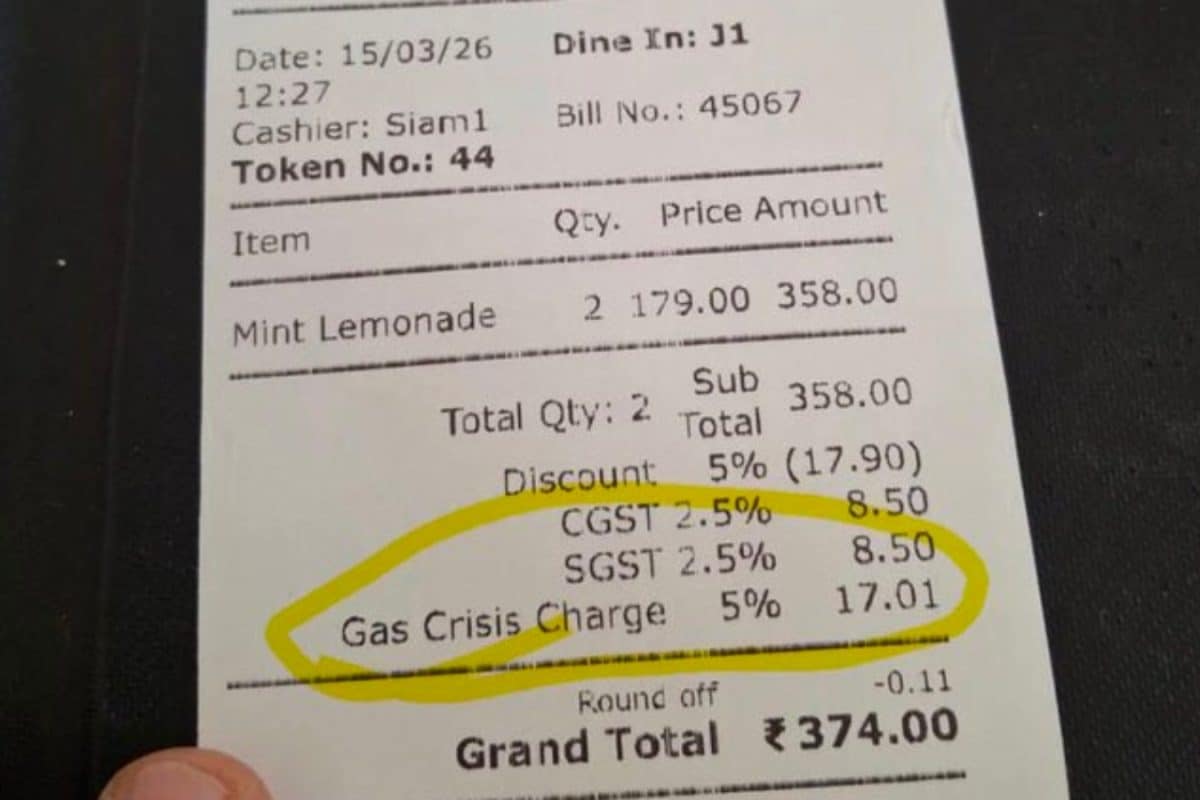
A recent social media sensation originated from a Bengaluru cafe where a customer's bill for two refreshing mint lemonades became a point of contention
and humor. The receipt, initially for two beverages priced at Rs 179 each, incurred discounts and standard taxes. However, the addition of a separate 'gas crisis charge' of 5%, amounting to Rs 17, irked and amused onlookers. This unexpected surcharge, applied despite the simple nature of the drink, propelled the bill into viral territory, prompting widespread discussion across online platforms.
Owner's Explanation
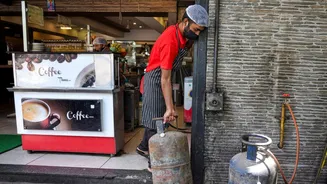
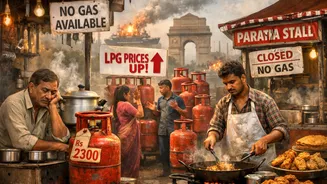
The owner of the establishment, Theo Cafe, clarified the perplexing 'gas crisis charge' by attributing it to an automated billing system update. He explained that this system adjustment was implemented in response to the prevailing LPG supply shortages. Crucially, the owner emphasized that this charge was never actually levied on the customer, stating that the extra amount was not collected. Despite this clarification, the image of the bill had already circulated widely, sparking significant public reaction and speculation.
Online Reactions
Following the appearance of the bill on social media, users on platforms like X (formerly Twitter) engaged in a lively exchange of opinions, ranging from outright humor to expressions of frustration. Many questioned the logic behind applying a 'gas crisis charge' to a beverage like lemonade, with one user quipping, 'Nimbu garam karke daala hai kya' – suggesting the lemons might have been heated. Other witty remarks pondered what kind of gas could possibly be essential for lemonade preparation. Some playful suggestions included the idea that the cafe might have been artificially carbonating the drinks, adding an unexpected effervescence.
Consumer Rights
Beyond the humorous takes, the incident also brought forth serious considerations regarding consumer rights and fair trade practices. Certain commentators voiced concerns that such arbitrary charges could potentially contravene consumer protection laws. They argued that adding unforeseen fees, particularly those with questionable justification, might be deemed an unfair trade practice under existing regulations. This aspect of the debate underscored the importance of transparency and fairness in billing, even for seemingly minor surcharges.