




Beyond Genetic Destiny
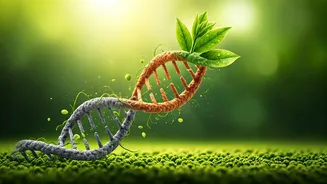
The pervasive belief that cancer is an inevitable genetic inheritance is largely a misconception. While a small percentage of cancers are indeed triggered
by inherited mutations, the overwhelming majority, approximately 90-95%, are instigated by the cumulative effects of our lifestyle choices and environmental exposures over time. This understanding is crucial because it shifts the focus from passive acceptance to active control. It doesn't imply blame, but rather empowers individuals with the knowledge that their daily habits can profoundly influence their susceptibility to the disease. Understanding this distinction is the first step towards practical, achievable prevention strategies that move beyond mere theory into daily practice.
Smoking: The Dominant Trigger
Despite decades of public health campaigns, smoking continues to be a paramount and preventable cause of cancer. Medical experts highlight that tobacco use is responsible for an astonishing 85% of all lung cancer cases globally, a statistic that underscores its devastating impact. This single habit’s influence extends far beyond the lungs, significantly elevating the risk of cancers affecting the mouth, throat, pancreas, and bladder. The danger of smoking is compounded by its cumulative nature; the longer one is exposed, the higher the likelihood of developing cancer. Fortunately, quitting at any stage of life, even later on, can still lead to a substantial reduction in risk, demonstrating the power of this single behavioural change.
Air Pollution's Silent Threat
Unlike voluntary habits like smoking, exposure to air pollution is often an involuntary consequence of our environment, particularly in densely populated urban areas. Leading international health organizations have classified outdoor air pollution and particulate matter as carcinogenic to humans, placing it in the same risk category as tobacco. Consistent exposure to elevated levels of air pollution can silently inflict damage on lung tissues over time, progressively increasing the long-term risk of developing lung cancer. This growing concern explains why even individuals who have never smoked are increasingly being diagnosed with lung cancer, highlighting the pervasive nature of this environmental hazard.
Lifestyle's Slow Build-Up
Cancer risk isn't typically the result of a single unhealthy meal or a missed exercise session; it's a gradual accumulation of effects stemming from daily patterns. A diet rich in processed foods, a sedentary lifestyle, chronic stress, and inadequate sleep collectively foster an internal environment ripe for inflammation, which can degrade cells and impair their natural repair mechanisms. National health reports from India and established research institutions consistently link evolving lifestyle patterns, especially in urban settings, with rising cancer incidence. These factors, alongside regular consumption of alcohol and maintaining obesity, are not rare occurrences but rather common everyday exposures that significantly contribute to cancer development over extended periods.
Practical Prevention Habits
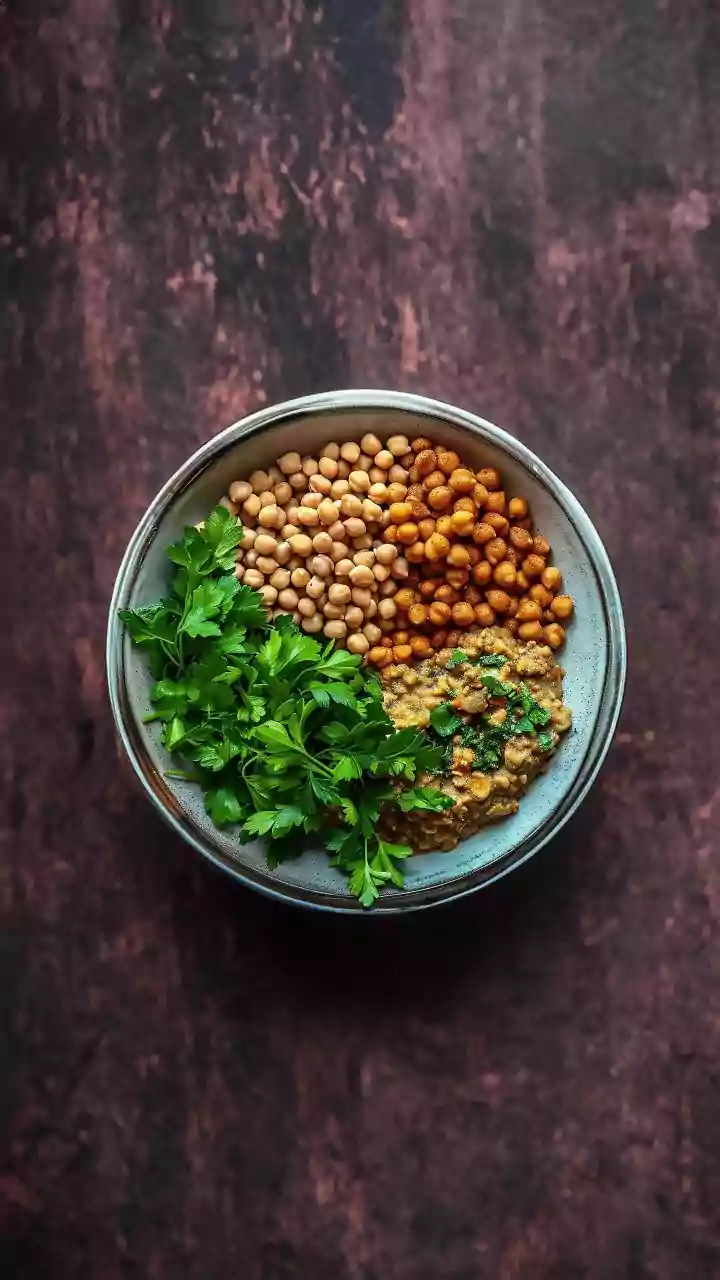
Reducing your cancer risk doesn't necessitate drastic life overhauls; it's about cultivating consistent, sensible habits. The most impactful step is to abstain from tobacco use entirely. If you currently smoke, quitting is the single most effective action you can take. Be mindful of air quality and limit outdoor exposure during periods of high pollution, using protective masks when necessary. Incorporate physical activity into your daily routine; even a 30-minute walk can significantly enhance metabolic health. Prioritize whole, unprocessed foods like fruits, vegetables, and grains, favouring home-cooked meals. Sufficient sleep and effective stress management are vital for cellular repair. Finally, adhere to recommended screening schedules, as early detection dramatically improves treatment outcomes.
Prevention Over Treatment
While medical advancements are continually improving cancer treatment, making it more patient-centric and less disruptive, these developments do not diminish the paramount importance of prevention. Newer treatment approaches aim to reduce hospital stays and enhance patient comfort, allowing individuals to maintain more of their normal life during therapy. However, even the most sophisticated treatments cannot fully reverse the long-term cellular damage caused by sustained exposure to carcinogens and unhealthy lifestyle factors. Therefore, focusing on preventive measures through informed daily choices remains the most potent strategy in combating cancer and safeguarding one's long-term health.