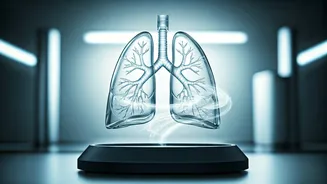

Clean Air's Importance
Clean air serves as a fundamental aspect of human existence, crucial not only for physical health but also for the mind's optimal functioning. It is well
understood by public health professionals and environmental scientists that exposure to pollutants in the air leads to numerous health complications, ranging from respiratory ailments and heart diseases to severe cognitive problems. Breathing in clean air supports proper lung function and oxygen supply to the body and brain, which facilitates better concentration and mental clarity. Research consistently shows that environments with elevated levels of air pollution correlate with higher rates of anxiety, depression, and other mental health challenges. Addressing the issue of air pollution helps improve physical and mental health simultaneously, thereby promoting a general sense of well-being.
Air Pollution's Impact
Air pollution has wide-ranging and significant adverse effects on both the health of individuals and the environment. Sources of air pollution include industrial emissions, vehicular exhaust, and burning fossil fuels, all of which release harmful pollutants such as particulate matter, ground-level ozone, and various toxic gases. When people inhale polluted air, these pollutants can penetrate deep into the respiratory system, resulting in irritation, inflammation, and an increased risk of respiratory conditions like asthma and bronchitis. Furthermore, air pollution has been strongly linked to cardiovascular diseases, with particulate matter especially implicated in triggering heart attacks and strokes. The effects are not limited to physical health, since research indicates that exposure to polluted air can also contribute to cognitive decline, affecting memory and the ability to focus. The degradation of air quality is a pressing problem that requires swift and multifaceted approaches to mitigate its effects on health and the environment.
Improving Air Quality
Improving air quality requires a multifaceted approach involving policy changes, technological advancements, and individual actions. Governmental policies can play a critical role through the implementation of stricter emission standards for industries and vehicles, promoting cleaner energy sources, and investing in public transportation systems. Technologies such as air purifiers, electric vehicles, and green building designs offer practical solutions that can reduce individual exposure to air pollutants and lower overall emissions. Individuals can make simple yet effective choices, like opting for public transport over personal vehicles, reducing energy consumption at home, and supporting initiatives that advocate for improved air quality. By collectively engaging in these various measures, it is possible to create a substantial and sustainable improvement in air quality, supporting public health and environmental protection.