





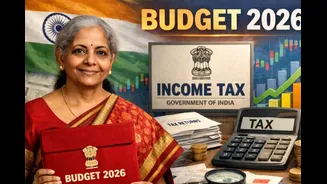
Budget 2026 Overview
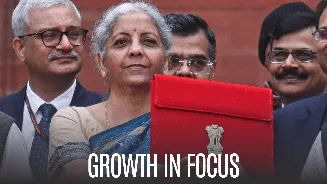
The Union Budget 2026, presented by the Finance Minister Nirmala Sitharaman, introduced several changes affecting various sectors, with a notable focus
on income tax. The budget outlined the government's financial plans for the fiscal year 2026-27, with capital expenditure being a significant area of investment, targeting ₹12.2 lakh crore. The budget speech focused on reforms and capital expenditure, with the government aiming to boost infrastructure and economic growth. This budget also included announcements concerning the defense sector, the semiconductor mission, and initiatives for NBFCs and the real estate sector. The government has eased compliance for NRIs regarding property and investments.
Tax Regime Choices
A critical aspect of the Budget 2026 is the choice between the new and old income tax regimes for the financial year 2026-27. Taxpayers are now presented with a decision that can significantly impact their tax liabilities. The 'old' tax regime generally allows for various deductions and exemptions, such as those related to investments under Section 80C, House Rent Allowance (HRA), and others. This regime might be advantageous for those who have substantial investments and are eligible for multiple deductions. In contrast, the 'new' tax regime offers a simplified structure with lower tax rates but typically does not allow for many deductions and exemptions. The choice between these regimes depends on the individual's financial situation, investments, and tax planning strategies.
Section 87A Rebate
Budget 2026 highlighted the Section 87A rebate limit. This rebate offers relief to taxpayers with lower taxable incomes. It effectively reduces the income tax payable by eligible individuals. The specific amount of the rebate and the income threshold for eligibility are key factors. Section 87A aims to reduce the tax burden on lower-income individuals. This rebate helps these taxpayers by reducing their total tax liability to zero, provided their income falls within the specified limits. Therefore, understanding the limits is essential for individuals to assess their tax savings.
Tax Slab Updates
Budget 2026 introduces updated income tax slabs. These slabs determine the tax rates applicable to different income levels under both the old and new tax regimes. The new tax regime often features reduced tax rates across various income brackets to provide relief to taxpayers. In contrast, the old tax regime may retain the existing slabs, allowing taxpayers to benefit from various deductions. The specific rates and income brackets vary depending on the chosen tax regime. Taxpayers need to evaluate the tax slabs under each regime to determine the most beneficial option for their individual circumstances and income levels. Detailed information on the slabs helps in calculating tax liability accurately.
Sectoral Allocations
The Union Budget 2026 allocated significant funds to various sectors, including defense, education, and railways. The defense budget jumped to ₹7.85 lakh crore, with ₹2.19 lakh crore allocated for modernization. Capital outlay climbs for new missions in the space sector. These investments indicate the government's focus on bolstering national security and improving infrastructure. The budget also emphasized the Viksit Bharat roadmap for NBFCs, the restructuring of PFC and REC, and backing rare earth corridors to build India's magnet manufacturing muscle. The government's actions include waiving customs duty on cancer and rare disease drugs as part of its health sector updates.
Impact on NRIs
Budget 2026 provided specific measures to ease compliance for Non-Resident Indians (NRIs) concerning property and investments. The modifications were designed to streamline processes. These reforms are crucial for attracting foreign investment and enhancing the ease of doing business for NRIs in India. The government's initiatives demonstrate its commitment to supporting and facilitating the financial activities of NRIs, making it easier for them to manage their assets and investments within the country. This can lead to increased investment and economic growth.
Market Reactions
The stock market initially reacted negatively to the budget announcements. The BSE Sensex and Nifty50 experienced significant drops following the budget speech. The specific reasons behind the market decline may be multifaceted, including factors such as changes in the securities transaction tax (STT) and adjustments in tax policies. Market analysts and experts provided their analyses. The market's reaction can influence investor sentiment and impact investment decisions. Understanding the underlying reasons for market movements provides valuable insights for investors to navigate financial uncertainties.