




The Intuitive Choice
Ever feel drawn to a specific chair in a room without consciously thinking why? It turns out, this subconscious selection is more than just comfort; it's
a window into your inherent personality. In group settings, particularly meetings, the chair you gravitate towards can subtly signal your natural inclinations, your role within a team, and how you navigate professional interactions. This isn't about the furniture's ergonomics, but rather the psychological significance of your chosen vantage point. By observing these silent preferences, we can gain fascinating insights into our own behavioral patterns and how we present ourselves to others, especially when participating in discussions and collaborative efforts.
The Co-Pilot
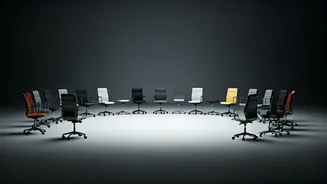
Selecting Chair 1 signifies a desire to be an active contributor and a reliable partner. You see yourself as essential to the functioning of a group, much like a co-pilot supporting the captain. Your proximity to leadership positions isn't about seeking dominance, but rather about aligning with the team's objectives and facilitating their execution. You respect established structures but aren't intimidated by them. When situations become chaotic, you are the steady hand that ensures progress continues. Your presence near the core of decision-making allows you to offer immediate support and ensure that plans are implemented effectively, making you a crucial element in maintaining momentum and stability.
The Diplomatic Buffer
Choosing this position suggests a preference for being informed and involved without being the direct focus of attention. You possess a diplomatic nature, keenly observing and understanding the underlying currents of a conversation. By positioning yourself near authority figures, you can absorb crucial information and discern intentions, yet you maintain a personal space that allows for reflection. You value maintaining harmony and often wait for the initial intensity of a discussion to subside before interjecting your thoughts. This measured approach allows you to contribute thoughtfully and help de-escalate potential conflicts, ensuring a more balanced and productive atmosphere.
The Deliberate Thinker
Opting for Chair 3 indicates a personality that thrives on deep contemplation and a cautious approach. You are not driven by a need to fill conversational gaps; in fact, you often find that discussions move too rapidly. You prefer to allow ideas to unfold and be examined, quietly analyzing each perspective. By the time you contribute, your input is typically insightful and addresses overlooked aspects. Your strength lies in your measured pace, which allows you to process information thoroughly and remain composed even in high-pressure environments. This mindful engagement ensures your contributions are well-considered and impactful.
The Analytical Observer
This seat is ideal for the individual who engages with a critical yet thoughtful demeanor. You are present and invested, but resist blind agreement. Your perspective is inherently analytical, consistently scrutinizing the soundness of presented ideas. While others may readily accept proposals, you are often contemplating potential flaws and alternative scenarios. Your intent isn't to obstruct, but rather to ensure thoroughness and accuracy by valuing truth above superficial consensus. Embracing the role of a dissenting voice, you recognize that healthy skepticism frequently leads to superior outcomes and more robust solutions.
The Direct Contender
Choosing the chair that directly faces authority signifies a high degree of self-assurance and an unapologetically direct communication style. You express your opinions openly and without embellishment. Rather than retreating from conflict, you embrace it, relishing robust debate. You hold a deep respect for individuals who, like yourself, are willing to articulate their viewpoints with conviction, fostering an environment where honest dialogue is paramount and differing perspectives are openly exchanged.
The Silent Spectator
Gravitating towards the periphery of a meeting space often points to the 'silent observer' archetype. You excel at observing group dynamics and non-verbal cues, learning extensively from these interactions. Though you may remain quiet outwardly, your internal processing is highly active and sharp. When you do choose to voice your thoughts, your contributions are typically rooted in perspectives that others have missed. Your power is found in your ability to process information comprehensively before stepping forward, allowing for a unique and often overlooked viewpoint.
The Strategic Player
This seat choice suggests a keen awareness and careful management of personal energy. You are not drawn to the performative aspects of meetings—the posturing or unnecessary drama. Instead, you remain mentally engaged but are selective about when to actively participate. Like a strategist planning their next move, you speak up only when it is most impactful. This thoughtful engagement conserves your energy, preventing burnout and ensuring your contributions are always focused and effective when they matter most.
The Empathic Connector
Positioning yourself here highlights your role as the emotional anchor of the group. You possess an innate sensitivity to the feelings of those around you, using your presence to diffuse tension and foster a warmer atmosphere. You are the one who offers encouraging smiles, engages in light conversation, or uses humor to create a more approachable and open environment, making others feel at ease and more willing to share.
The Devoted Follower
Selecting this spot indicates a strong desire for guidance and clear instruction. Physical proximity to leadership provides a sense of security and support. You are a dedicated individual who draws confidence from being close to the authority figure, ensuring you are aligned with their vision. Being part of the 'inner circle' empowers you and reinforces your commitment to the group's direction.