





Bengali Flavors Unveiled
A group of American students, immersed in South Asian culture and history, recently had an extraordinary culinary adventure in Kolkata. Their journey into
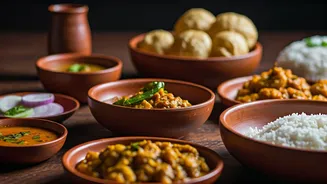
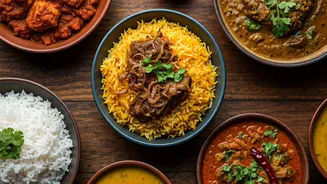
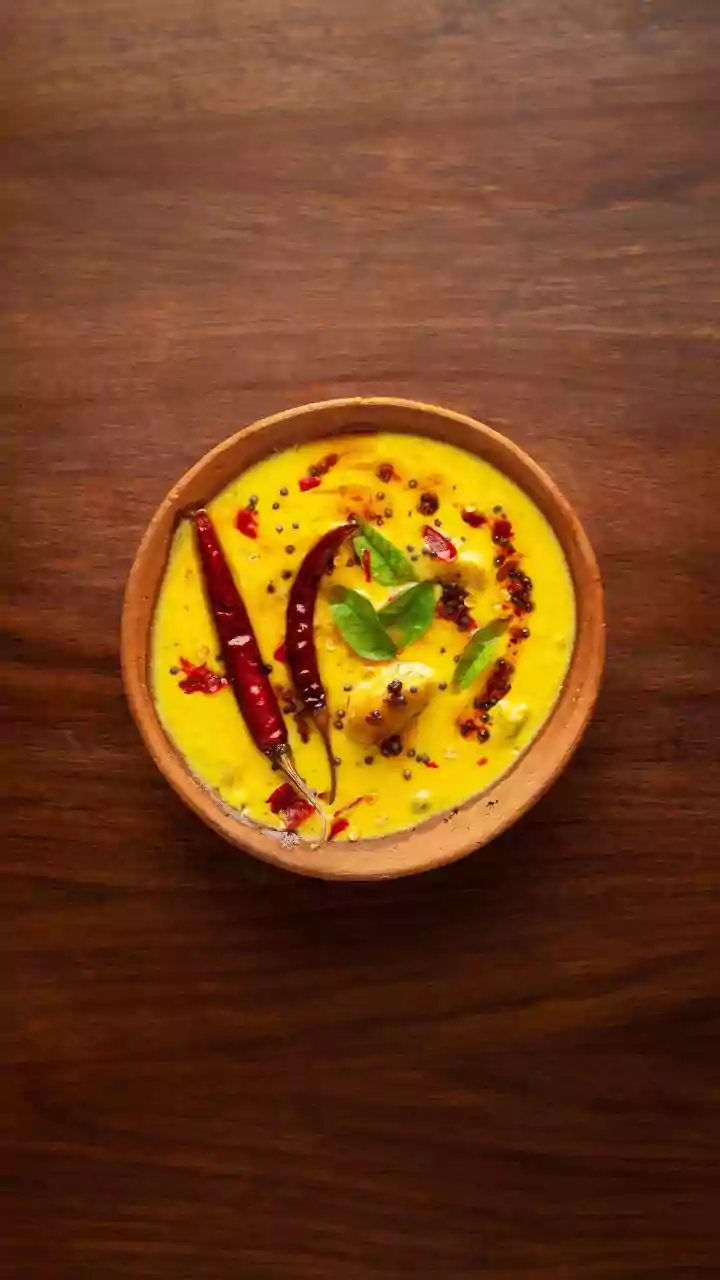
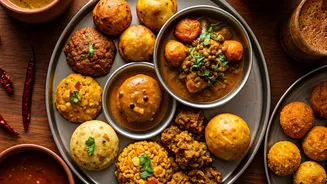
the heart of Bengal's gastronomic landscape was marked by an authentic traditional meal that delighted their senses. Dishes like 'posto potol' – a creamy pointed gourd preparation featuring poppy seed paste – and 'chingri malaikari,' a luxurious prawn curry in coconut milk, along with the sweet delight of 'mishti doi' (sweet yogurt), were presented to them. The students found this experience a stark, yet welcome, departure from their everyday meals back home. The vibrant spices and intriguing textures of Bengali food left a lasting impression. One student, Sarah from California, particularly lauded the 'posto potol' for its creamy consistency and profound flavor, highlighting the unique sensory experience that Bengali cuisine offers. This exposure was facilitated by Chef Anjan Chatterjee, who aimed to showcase the subtle yet complex flavors characteristic of Bengal's culinary heritage, viewing it as a potent method of cultural transmission.
Culinary Classroom Experience
Beyond just tasting, these students from the Culinary Institute of America (CIA) stepped into a different kind of learning environment, one that embraced the essence of Bengali cooking. Their visit introduced them to the distinctive aroma of mustard oil, the art of roasting spices, and the comforting slow-cooked dishes fundamental to Bengali kitchens. The session focused on the cultural and historical nuances of Bengali food, including the evolution of East Bengali (Baangal) and West Bengali (Ghoti) cuisines, influenced by the region's partition and geography. They were introduced to key ingredients and mediums, such as Bengali five spice ('panch phoron'), poppy seeds ('posto'), mustard seeds ('shorshe'), and the essential mustard oil. The students also encountered unique vegetables like 'potol' (pointed gourd), a local favorite. The hands-on experience extended to preparing dishes such as 'Doodh Potol' (pointed gourd in milk) and 'Betki Paturi' (steamed fish wrapped in banana leaves). Despite dietary considerations like lactose intolerance or prawn allergies, the students embraced every dish with enthusiasm, even opting to eat with their fingers, a traditional practice. This willingness to explore unfamiliar tastes and textures, even in the face of personal preferences, was a testament to their open-mindedness and the unifying power of food.
A Deeper Cultural Appreciation
This immersive culinary engagement served as a powerful conduit for understanding Bengali culture. The students gained firsthand knowledge of how food is intricately woven into the fabric of the region's identity and history. Interacting directly with the chef provided insights into the specific ingredients and cooking methodologies that give Bengali cuisine its unique character. The prominent use of mustard oil and poppy seeds ('posto') in many dishes particularly captured their interest. Mark, another student, emphasized that this meal significantly deepened their appreciation for India's diverse culinary landscape, expressing a desire to replicate some of these dishes back home. The entire cultural immersion trip, orchestrated by the university, is designed to offer students a comprehensive experience of Indian life, encompassing art, music, traditions, and, crucially, its food. This encounter with Bengali cuisine not only broadened their palates but also fostered a more profound comprehension of Bengali culture, leaving them with an unforgettable taste of India's vibrant heritage.