







A Riverine Hub
India's rivers are far more than just geographical features; they are the lifeblood of its existence, sustaining agriculture, powering economies, and embedding
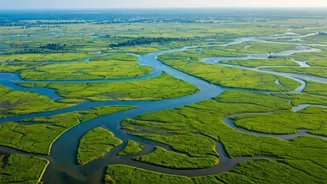
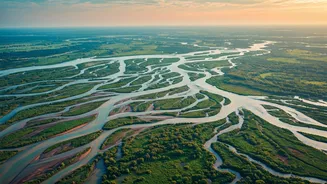
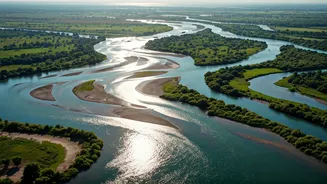
themselves deeply within the nation's cultural and spiritual fabric. While many states are celebrated for their water bodies, the state holding the distinction of having the most rivers is Uttar Pradesh. This northern Indian state, characterized by its extensive plains, serves as a crucial nexus for a multitude of watercourses. Its importance is undeniable, acting as a vital resource for millions and contributing significantly to the country's overall hydrological landscape. The sheer volume of rivers flowing through Uttar Pradesh underscores its unique geographical advantage and its pivotal role in India's water security and development.
Prominent Waterways
Within Uttar Pradesh, several mighty rivers carve their paths, each contributing uniquely to the state's character. The Ganga and Yamuna, revered not just as rivers but as goddesses, are central to the state's identity, influencing everything from agriculture to daily life and religious practices. Beyond these iconic waterways, Uttar Pradesh is also traversed by the Ghaghara and a host of other significant rivers and their numerous tributaries. This dense network ensures that water is a constant presence, shaping the land and supporting a vast population. The presence of these major rivers, along with countless smaller streams, highlights the state's rich hydrological diversity and its critical role in the Gangetic plains ecosystem.
Beyond Thirty Rivers
Media reports consistently indicate that the number of rivers flowing through Uttar Pradesh significantly surpasses the figure of 30. This extensive network is not limited to just the major arteries; it encompasses a complex web of tributaries and smaller water channels that collectively contribute to the state's abundant water resources. The sheer scale of this river system is a testament to Uttar Pradesh's geographical positioning and its vital contribution to India's water management. These rivers, in their multitude, are fundamental to the state's ecological balance and its sustained development, providing essential resources and shaping its landscape in profound ways.
Rivers and Culture
Uttar Pradesh's relationship with its rivers extends deeply into its cultural and historical tapestry. Many of its cities are renowned for their elaborate ghats, structures built along riverbanks that serve as vibrant centers for religious ceremonies, social gatherings, and daily life. Varanasi, for instance, is globally acclaimed for its spiritual ghats along the Ganga, attracting pilgrims and tourists alike. Prayagraj (formerly Allahabad) is famously known as the site of the Triveni Sangam, the sacred confluence of the Ganga, Yamuna, and the mythical Saraswati rivers. Even iconic landmarks like the Taj Mahal in Agra find their majestic setting on the banks of the Yamuna, with the river enhancing the monument's timeless beauty and aura.
Lifelines for Millions
The rivers of Uttar Pradesh are undeniably the lifelines for millions of its inhabitants. They are indispensable for sustaining the state's robust agricultural sector, providing the necessary water for irrigation that fuels food production. Furthermore, these waterways are a critical source for drinking water, meeting the daily needs of a large population. Beyond their essential economic functions, the rivers are imbued with profound cultural and religious significance, deeply woven into the traditions and beliefs of the people. This multifaceted importance makes them invaluable assets, underpinning both the material well-being and the spiritual identity of Uttar Pradesh and its people.