




Strategic Himalayan Location
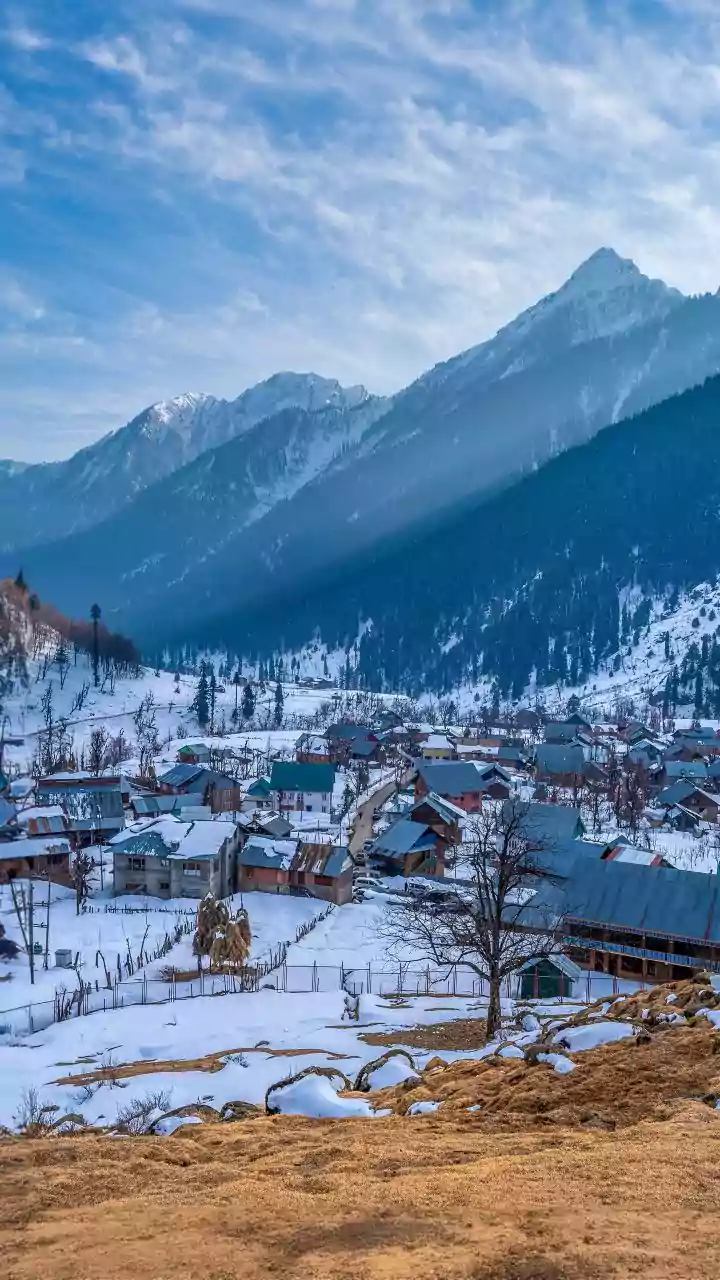
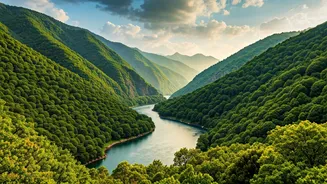
Nestled within the breathtaking Garhwal Himalayas, the Tehri Dam is strategically situated in Uttarakhand's Tehri Garhwal district. Its placement approximately
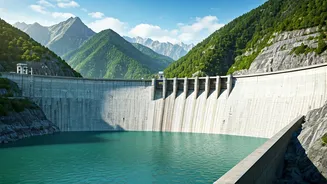
70 kilometers from Dehradun capital city puts it at the nexus of formidable mountainous landscapes and powerful river systems, specifically across the Bhagirathi River. This challenging yet opportune setting, characterized by steep valleys and significant seismic activity, was chosen for its potential to harness the immense force of flowing water for a project of this magnitude. The confluence of these geographical elements made it an ideal, albeit complex, site for the construction of such a colossal infrastructure.
Record-Breaking Altitude
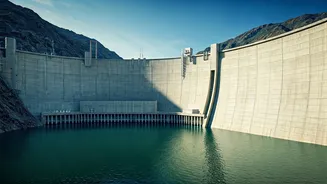
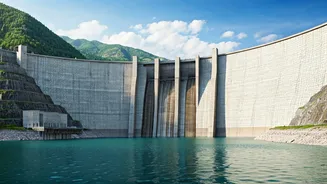
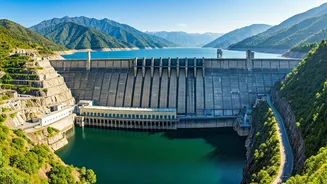
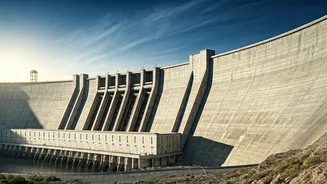
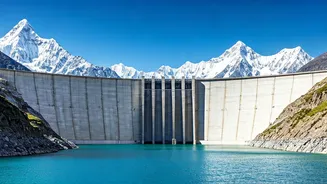
The Tehri Dam stands as an astonishing engineering achievement, boasting a colossal height of 260.5 meters, which equates to 855 feet. This remarkable elevation solidifies its reputation as the tallest dam in Asia and ranks it among the world's highest. Its sheer vertical scale is fundamental to its operational capacity, enabling it to impound an enormous volume of water. This creates the vast Tehri Lake, a significant water body that stretches impressively deep into the surrounding hills, serving as a massive reservoir for various critical functions.
Multi-Purpose Powerhouse
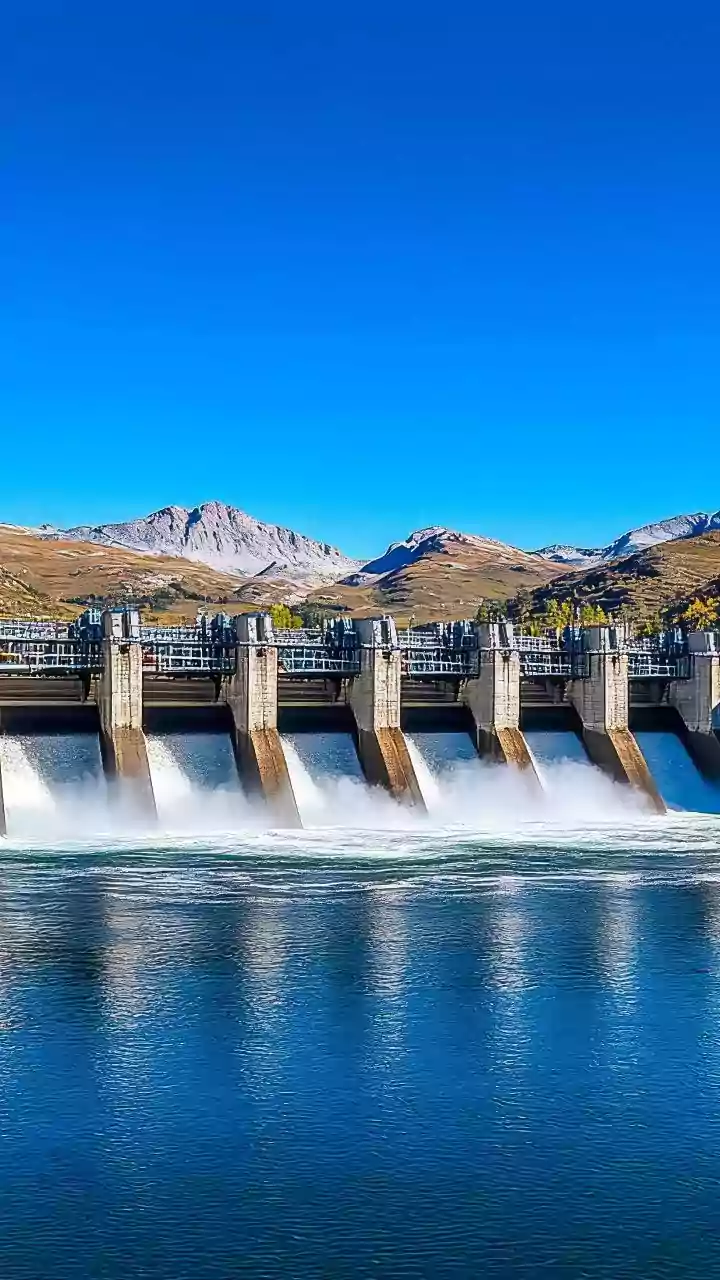
Far more than just a barrier for water, the Tehri Dam functions as a vital lifeline for northern India. Its primary role is the generation of hydroelectric power, producing over 1,000 MW, with plans for additional pumped-storage capacity to further enhance its output. Beyond energy, the dam plays an indispensable role in water security, supplying essential drinking water to densely populated urban areas, including Delhi and various parts of Uttar Pradesh. Furthermore, its water resources are instrumental in supporting agricultural irrigation across thousands of hectares, bolstering food production and economic stability in the region.
Engineering Against Odds
The construction of the Tehri Dam represents a triumph of engineering ingenuity, particularly given its location in a seismically volatile region. Designed with paramount safety in mind, the dam incorporates advanced features engineered to withstand significant seismic events. Its robust rock and earth-fill construction provides a degree of flexibility crucial for enduring the stresses associated with the fragile Himalayan fault lines. This resilience ensures the dam's integrity and longevity, a testament to the meticulous planning and execution undertaken by its engineers to overcome the inherent challenges of the environment.
Project Controversies Unpacked
The ambitious undertaking of the Tehri Dam has not been without significant debate and controversy. A major point of contention was the submergence of the historic old town of Tehri, necessitating the displacement of thousands of its residents, leading to profound social upheaval. Environmental advocates and concerned citizens voiced serious apprehensions regarding the potential ecological impact, the amplified seismic risks in an already active zone, and the overall societal costs associated with such large-scale dam projects. These concerns have positioned the Tehri Dam as one of India's most extensively debated infrastructure developments.
Fascinating Project Facts
The journey of the Tehri Dam from conception to completion spanned more than three decades, highlighting the project's immense complexity and duration. It is a cornerstone initiative of the Tehri Hydro Development Corporation (THDC). The sheer scale of the reservoir created by the dam has transformed it into a significant center for recreational activities, including a popular hub for water sports and tourism. The dam contributes a substantial 2400 MW of hydroelectric power to the national grid, underscoring its critical role in India's energy infrastructure.