




Jim Corbett National Park
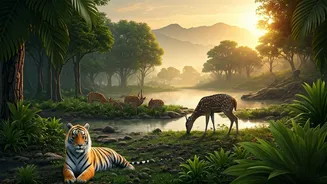
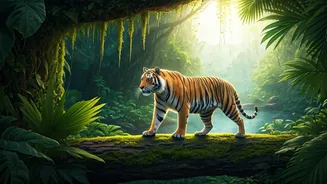
Established in 1936 as the Hailey National Park, Jim Corbett in Uttarakhand is India's oldest national park. Renowned for its tiger population, it also
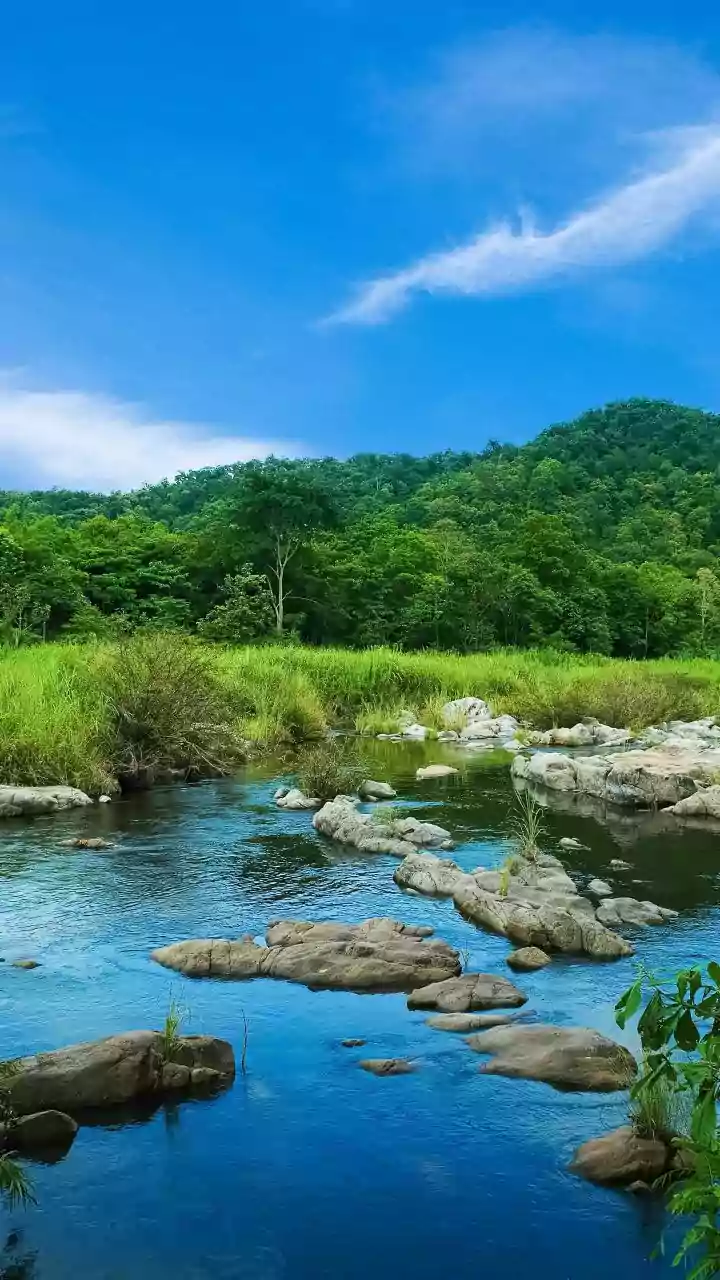
shelters a rich variety of flora and fauna, including elephants, deer, and numerous bird species. The park's varied terrain, featuring hills, riverine belts, and grasslands, provides a diverse habitat. Visitors can opt for jeep safaris or elephant rides to explore its dense forests and catch a glimpse of its magnificent wildlife. The park is divided into several zones, each offering unique viewing opportunities, making it a prime destination for wildlife enthusiasts and photographers alike.
Ranthambore National Park
Located in Rajasthan, Ranthambore National Park is famous for its royal Bengal tigers, which are often seen in broad daylight. The park's historical significance is underscored by the majestic Ranthambore Fort, which stands overlooking the sanctuary. Its landscape is a blend of dry deciduous forests, open grasslands, and rocky terrain, interspersed with lakes and rivers. Besides tigers, it is home to leopards, sloth bears, wild boars, and a myriad of bird species. The park's well-defined tourist zones and experienced guides enhance the safari experience, allowing visitors to witness the natural predator-prey interactions in a secure environment.
Kanha National Park
Often referred to as the "Maha-Kanor" or "Great Forest," Kanha National Park in Madhya Pradesh is a sprawling expanse of dense forests, meadows, and ravines. It is a crucial habitat for the Bengal tiger, the Barasingha (swamp deer), and the Indian wild dog. The park's unique landscape, characterized by the picturesque Bamni Dadar (Sunset Point), offers stunning panoramic views. Kanha's conservation efforts, particularly for the critically endangered Barasingha, have been highly successful. The park's diverse vegetation supports a wide array of wildlife, making it a top choice for immersive jungle experiences.
Bandhavgarh National Park
Another gem in Madhya Pradesh, Bandhavgarh National Park boasts one of the highest densities of Bengal tigers in India. The park's terrain is a dramatic mix of rocky cliffs, dense sal forests, and open grasslands, dominated by the ancient Bandhavgarh Fort. This historical fort, perched on a hill, offers breathtaking views of the surrounding wilderness. The park's compact size makes it ideal for wildlife spotting, with tigers often seen basking in the sun or roaming freely. It also supports a variety of other animals, including leopards, sambar, and nilgai, along with a rich avian population.
Gir National Park
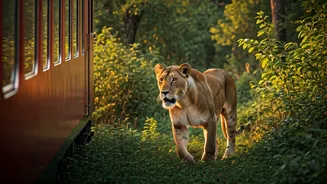
Gir National Park in Gujarat holds the distinction of being the sole home of the Asiatic lion. This unique ecosystem is characterized by dry deciduous forests, scrublands, and rocky hills. Beyond the iconic lions, Gir is also a sanctuary for leopards, hyenas, various deer species, and numerous reptiles. Birdwatchers are also drawn to its diverse avian life. The park's conservation success story for the Asiatic lion is a testament to dedicated efforts. Safaris here offer a thrilling opportunity to witness these majestic big cats in their natural, rugged habitat.
Periyar National Park
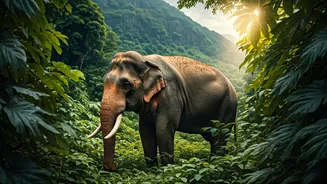
Nestled in the Western Ghats of Kerala, Periyar National Park is renowned for its biodiversity and the Periyar Lake, formed by a dam built across the Periyar River. The park's lush evergreen and moist deciduous forests are home to elephants, tigers, sambar, and a variety of primates. Boat safaris on the lake offer unparalleled opportunities to observe elephants bathing and drinking at the water's edge, as well as a plethora of bird species. The park also features medicinal plant gardens and spice plantations, adding to its unique appeal.
Kaziranga National Park
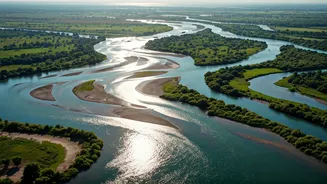
Located in Assam, Kaziranga National Park is a UNESCO World Heritage Site celebrated for protecting two-thirds of the world's population of the endangered one-horned rhinoceros. The park's landscape is dominated by vast expanses of tall elephant grass, interspersed with dense tropical forests, wetlands, and marshes. Apart from rhinos, it's a vital habitat for tigers, elephants, wild water buffalo, and a rich diversity of birdlife, including migratory species. Jeep safaris and elephant-back safaris are popular ways to explore its unique terrain and encounter its iconic inhabitants.