






Global Headwinds Impact
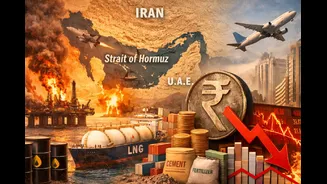
Goa's vital tourism industry is currently navigating a complex landscape, significantly impacted by recent geopolitical shifts, specifically the escalating
tensions involving Israel, the US, and Iran. This international turmoil casts a shadow over the state's economic prospects, which are heavily reliant on its service sector. Chief Minister Sawant has openly acknowledged this "significant impact" on Goa's economy. While a dedicated Inbound Tour Operator Incentive Scheme for 2026 has been introduced, the broader measures to stimulate the return of international travelers appear somewhat limited in scope, prompting calls for more substantial support from industry stakeholders.
Budgetary Allocations & Incentives
In response to these challenges, the Goa government has earmarked Rs 385 crore for its tourism department in the 2026-27 budget, representing a 10% increase from the previous year. A specific provision of Rs 2 crore has been allocated for the implementation of the Inbound Tour Operator Incentive Scheme 2026. While this budgetary enhancement is welcomed, industry experts suggest that a more substantial increase would have been beneficial, especially considering the robust growth witnessed in tourism over the past year. Such a larger allocation could have further propelled the sector's expansion and resilience in the face of external economic pressures.
Resuming Charter Flights
A key objective for the government is to reinvigorate international tourism, with a particular focus on re-establishing charter flight operations. These flights have historically been a cornerstone of Goa's inbound tourism, drawing significant numbers of foreign visitors, particularly from established markets. In 2025 alone, Goa welcomed 189 charter flights, transporting 40,336 foreign tourists. Operations were facilitated across both the Goa International Airport at Dabolim and the newer Mopa airport. The government has reaffirmed its commitment to supporting operations at both these vital aviation hubs, underscoring their importance for the tourism ecosystem.
Wellness Tourism Vision
Embracing a forward-thinking strategy, the government is set to introduce the Goa Wellness, Ayurveda and Yoga Policy. This initiative aims to position Goa as a premier global destination for wellness tourism, tapping into a growing market segment seeking rejuvenation and holistic well-being. The policy is expected to attract visitors interested in traditional healing practices and mindfulness, complementing Goa's existing attractions. This diversification strategy seeks to create a more robust and resilient tourism sector, less susceptible to the volatility of traditional tourism markets.
Destination Development Push
The state plans to bolster destination-level planning, management, and visitor experience through an integrated and sustainable approach, leveraging the Centre’s ‘Destination Management Scheme’. An application will be submitted to the ministry seeking Rs 500 crore for destination development and attraction enhancement. This substantial investment is intended to upgrade infrastructure, improve visitor amenities, and create more compelling experiences. Furthermore, recognizing the importance of skilled human capital, the Chief Minister will request the Centre to establish a National Institute of Hospitality, to further professionalize the sector. Goa is also slated to be part of a pilot scheme to train 10,000 tourist guides nationwide, offering a certified 12-week hybrid program developed in collaboration with the Indian Institute of Management.