






Unmasking The Pink Invader
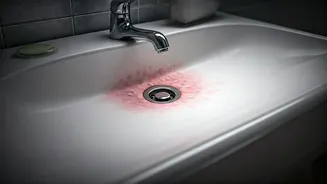
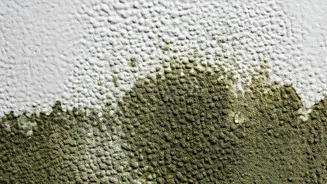
That familiar pinkish hue appearing in your bathroom, often around sinks and showers, is a common household nuisance. Many assume it's mould due to its
appearance and tendency to reappear. However, scientific identification reveals that this isn't a fungal growth at all. Instead, it's a type of bacteria known as Serratia marcescens. This microorganism flourishes in damp environments and feeds on the residues left behind from soap and other bathroom products. While generally considered harmless to individuals with robust immune systems, its presence is more than just an aesthetic concern. For those with compromised immunity, prolonged exposure can potentially lead to health issues, making its elimination a matter of both cleanliness and well-being.
Why It Keeps Coming Back
The persistent nature of these pink stains is largely due to how and why Serratia marcescens thrives. After cleaning, a microscopic film of soap scum and organic matter often remains on surfaces, even if not visibly apparent. Coupled with the inherent moisture in bathrooms – from showers, sinks, and even condensation – this creates an ideal breeding ground. The bacteria don't need much to survive and multiply. Furthermore, research into microbial biofilms explains how these bacterial colonies form protective layers that adhere firmly to surfaces. A quick wipe down isn't enough to dislodge them entirely, allowing them to re-establish themselves quickly. This explains the frustrating cycle of cleaning only to see the pink stains return with regularity, a challenge amplified by hurried or incomplete cleaning routines.
Simple Cleaning Strategies
Fortunately, tackling this bacterial nuisance doesn't require specialized or harsh chemicals. Effective solutions often lie in common household items and a diligent approach. A potent yet gentle mixture of white vinegar and water can be sprayed directly onto the affected areas. Allowing this solution to sit for a period gives it time to break down the bacterial film. Subsequent scrubbing, perhaps with an old toothbrush for crevices and grout lines, can then effectively remove the residue. For more stubborn spots, a paste made from baking soda and dish soap offers a slightly more abrasive yet safe option for various bathroom surfaces. The key to success with these methods is patience and thoroughness; rushing the process can leave behind remnants that allow the bacteria to regrow.
The Power of Drying
Beyond effective cleaning agents, the role of moisture control cannot be overstated in preventing the return of Serratia marcescens. After any use of water – whether washing hands at the sink, rinsing the shower, or even just damp towels – it's crucial to ensure surfaces are thoroughly dried. This can be achieved by wiping down walls, counters, and fixtures. Furthermore, enhancing bathroom ventilation is vital. Opening windows after showers or baths and using exhaust fans helps to circulate air and remove excess humidity, thereby eliminating the damp environment the bacteria crave. These simple drying habits are fundamental in creating an inhospitable atmosphere for their proliferation, significantly reducing their chances of re-establishing colonies.
Consistent Prevention is Key
Establishing a regular cleaning and maintenance schedule is the most effective strategy for long-term prevention of pink bathroom stains. Instead of waiting for the pink film to become noticeable, aim for frequent, light cleaning of areas prone to moisture accumulation. This includes the areas around soap dispensers, the base of faucets, shower curtains, and grout lines in corners. By proactively addressing potential growth spots before they become a problem, you disrupt the bacteria's life cycle. Consistent cleaning ensures that residues are removed before they can serve as a food source, and regular drying practices minimize the dampness needed for rapid multiplication. Awareness of these specific areas and a commitment to regular upkeep transform bathroom cleaning from a reactive chore into a proactive preventative measure.