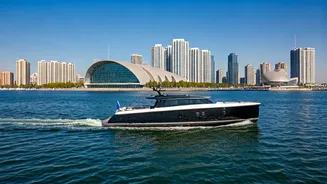

Introduction to Water Metro
India's Water Metro represents a pioneering approach to urban transportation, and it's making waves by connecting islands and mainland areas in a sustainable
and effective manner. This project, which utilizes electric hybrid boats, aims to redefine how people commute. The system is designed to provide seamless connectivity, reduce traffic congestion, and minimize the environmental footprint associated with traditional transportation methods. The Water Metro, developed with a focus on both efficiency and environmental responsibility, represents a major step forward for urban mobility.
Electric Hybrid Boats
The heart of the Water Metro system is its electric hybrid boats, which are a major advance in environmentally friendly transportation. These boats combine electric propulsion with diesel generators, allowing for efficient and reduced emissions operations. This design dramatically decreases the carbon footprint compared to standard diesel-powered ferries. The electric mode is particularly important in densely populated or sensitive areas, contributing to a better quality of life. Using hybrid technology, the Water Metro ensures reduced noise pollution and improved air quality while boosting the integration of sustainable technologies in urban transit systems. This dedication to green technology underlines the commitment to offer a clean and effective mode of transportation.
Enhanced Connectivity
One of the main objectives of the Water Metro is to significantly enhance connectivity between islands and mainland areas. By providing a dependable and effective means of transportation, the system intends to reduce travel times and make it easier for people to get around. This improvement in connectivity has far-reaching effects, including the facilitation of economic development, boosting tourism, and improving the quality of life for people who live in the areas served by the Water Metro. The design of the routes, which are intended to connect strategic points, assures that commuters can move between key locations more easily. The project aims to improve access to services, job opportunities, and other important aspects of daily life by streamlining transportation.
Sustainability Benefits
The Water Metro is a shining example of a sustainable transportation system, as it prioritizes environmental protection. The use of electric hybrid boats, in particular, dramatically reduces emissions and helps lower the system's carbon footprint. This initiative is in line with worldwide efforts to mitigate climate change and promote green initiatives in the transportation sector. The project emphasizes the importance of lowering pollution, improving air quality, and using renewable energy sources. This dedication to sustainability not only benefits the environment but also improves the overall health and well-being of the communities served by the Water Metro. It shows the possibility of building urban transit systems that are both effective and environmentally friendly, paving the way for a more sustainable future.
Impact on Urban Mobility
The Water Metro significantly changes urban mobility by giving people a dependable and effective transportation option. The system addresses the problems of traffic congestion and accessibility. By offering an alternative to road-based transportation, the Water Metro lessens traffic and offers passengers with a more comfortable and faster commute. This improvement in transportation increases the quality of life for residents and encourages economic growth by making it easier to go to work, school, and other important locations. The Water Metro encourages the overall advancement of urban areas by improving transit systems, making them more environmentally friendly, and improving accessibility.
Economic and Social Effects
The introduction of the Water Metro has important economic and social consequences. The project helps the economy by encouraging tourism, trade, and commercial activities in the areas it serves. Better accessibility to various areas encourages economic expansion and attracts investment. On a social level, the Water Metro increases accessibility to employment, education, and healthcare, improving the quality of life for local people. In addition, the system's focus on sustainability and environmental preservation fosters a stronger community awareness of environmental issues. As the Water Metro increases connections between different groups, it encourages social inclusion and cohesion.