







The Oral-Heart Connection
Your nightly brushing habit is more critical than you might think, extending its influence far beyond preventing cavities. A recent discussion involving
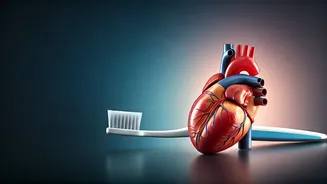
Dr. Kunal Sood, an anesthesiologist, highlighted a significant correlation between inadequate oral hygiene, particularly skipping brushing before sleep, and an increased vulnerability to cardiovascular diseases. This isn't just about maintaining a fresh breath; it's about safeguarding your heart. A 2023 study underscores this point, linking poor oral care practices to a higher probability of developing heart disease and heart failure. While not a direct cause, the implications of neglecting this simple habit can contribute to a cascade of issues affecting your heart over time. Prioritizing brushing, especially at night, is presented as a fundamental step in maintaining overall cardiovascular health.
Bacteria's Path to Inflammation
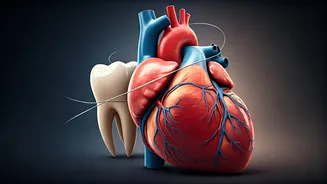
The underlying mechanism connecting oral hygiene and heart health lies in the microscopic world within your mouth. When you skip brushing at night, plaque and bacteria flourish, creating a breeding ground for harmful microbes. These bacteria can then migrate from your mouth into your bloodstream, acting as a catalyst for systemic inflammation. Dr. Jagadish Hiremath, a public health expert, explains that the toxins released by these oral bacteria trigger a chain reaction of inflammation throughout the body. Over an extended period, this persistent inflammation can compromise the integrity of your blood vessel linings, fostering the development of arterial plaque. This buildup, known as atherosclerosis, narrows blood vessels and significantly elevates the risk of heart attacks and strokes. Therefore, maintaining oral cleanliness is a proactive measure against this detrimental inflammatory process, supporting the health of your circulatory system and your heart.
Brushing Frequency and Heart Benefits
Research suggests a direct correlation between the frequency of tooth brushing and the health of your heart. According to Dr. Sood, individuals who are diligent about brushing their teeth tend to exhibit better cardiovascular health outcomes. He points out that brushing at least three times daily, coupled with regular professional dental cleanings, is associated with a reduced incidence of heart disease. Beyond the heart, this enhanced oral care regimen also leads to fewer dental problems such as gum disease and tooth loss. Dr. Sood emphasizes that establishing and maintaining good oral hygiene is one of the most accessible and effective strategies for bolstering heart health, making it an easily integrated part of a preventative health approach.
Integrating Oral Care Holistically
To comprehensively manage your heart health, it's essential to integrate oral care into your broader wellness strategy. Dr. Hiremath advises that individuals should assess their overall cardiovascular risk by monitoring key indicators like blood pressure, cholesterol levels, and blood sugar. Factors such as a family history of heart disease, diet, exercise habits, and smoking status also play a crucial role. Within this framework, consistent oral care acts as a vital preventive measure. By combating gum disease and reducing inflammation, it directly addresses one of the contributing factors to cardiovascular issues. Regular dental checkups and prompt treatment of any nascent gum problems are paramount, ensuring both your oral cavity and your heart remain in optimal condition. This proactive approach complements other heart-healthy lifestyle choices, creating a synergistic effect.
Practical Tips for Busy Lives
Maintaining consistent oral hygiene, even with a demanding schedule, is achievable with a few practical adjustments. Dr. Hiremath stresses the importance of regularity, advocating for brushing for a minimum of two minutes, twice daily. Incorporating a quick brush after lunch can further enhance cleanliness. Crucially, flossing or using interdental brushes before bedtime is recommended to effectively dislodge plaque and food particles that a toothbrush might miss. To ensure you never miss a brush, keeping a travel-sized toothbrush and toothpaste at your workplace or in your bag can be a game-changer. Furthermore, scheduling routine dental checkups every six months is a proactive step that helps identify and address potential oral health issues early on, thereby minimizing any significant burden on your time while safeguarding your long-term oral and overall health.