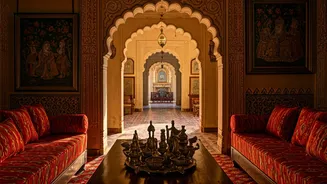








A Welcome Rooted in Tradition
Upon entering Diya Kumari's Jaipur residence, one is immediately enveloped in the spirit of Rajasthani hospitality, embodying the ancient adage 'Atithi
Devo Bhava' – the guest is God. This ethos permeates the very atmosphere, setting a tone of profound respect and cultural pride that extends to every detail, from the art adorning the walls to the culinary offerings. Psychologist Neha Cadabam notes that such environments, rich in cultural heritage, are crucial for reinforcing a sense of belonging and emotional grounding. By surrounding ourselves with elements that resonate with our history and cultural roots, our homes transform from mere living spaces into powerful repositories of memory and identity, significantly shaping our self-perception and our connection to the world around us.
Walls Narrate History
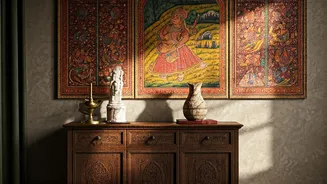
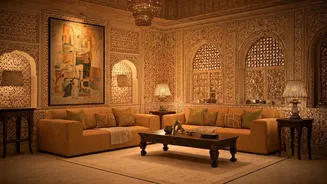
The walls of Diya Kumari's home are more than just structural elements; they serve as a visual chronicle of Rajasthan's illustrious past. A striking painting of Amber Fort, once the capital, immediately captures attention, prompting reflections on the state's rich architectural legacy. Kumari highlights the historical narratives embedded within Rajasthan's magnificent forts, such as Kumbhalgarh, Chittorgarh, and Jaisalmer, each with its unique story of bygone eras. These monumental structures, like the Great Wall of China, stand as testaments to a glorious history. As Cadabam explains, invoking these cultural symbols fosters pride by connecting individuals to a larger narrative that transcends personal accomplishments, reinforcing self-identity and emotional stability by creating a sense of continuity between past, present, and future.
Personal Touches Infused
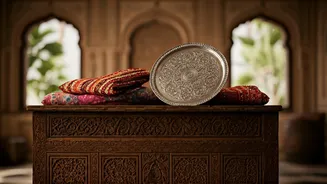
Despite its status as an official government residence, Diya Kumari has artfully infused the space with a deeply personal aesthetic, championing the exquisite handicrafts of Rajasthan. The home is adorned with vibrant cushions featuring traditional Sanganeri prints, delicate displays of world-renowned blue pottery, and meticulously framed miniature paintings, a testament to the region's artistic mastery. A particularly captivating piece is a blue pottery depiction of Srinathji, which elegantly merges devotional art with Jaipur's celebrated ceramic tradition. Kumari's deliberate integration of these local crafts transforms the residence into a vibrant showcase of Rajasthani artistry, demonstrating a commitment to preserving and promoting these time-honored skills.
Spiritual Sanctuary Beyond Borders
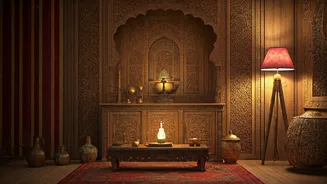
While Rajasthani art prominently features, the residence also incorporates elements that hold personal spiritual significance beyond regional confines. A serene painting of the Varanasi ghats graces one corner, evoking a profound sense of peace. This connection stems from historical ties, as Kumari's lineage is linked to the city through Raja Man Singh's historical contributions. This artwork functions as more than mere decoration; it transforms the space into a contemplative sanctuary where Kumari finds solace and inspiration during her morning reflections and work. Such personal sanctuaries are vital, offering psychological safety and a sense of control, aiding in focus, creativity, and overall emotional balance by providing a predictable and calming environment.
The Office: A Productive Haven
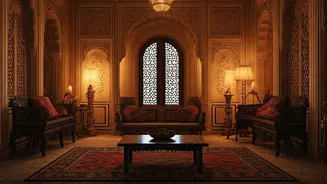
Acknowledging the demands of her public life, Diya Kumari identifies her office as her favorite space within the residence, a practical yet profoundly peaceful sanctuary. This room serves a dual purpose, functioning as both a vital workspace for administrative responsibilities and a personal retreat that offers calm and fosters interaction. According to Cadabam, these personal corners are crucial for maintaining emotional balance. They provide psychological safety and a sense of control, allowing individuals to step away from social roles and external expectations. Such restorative spaces are essential for cognitive regulation, reducing overload and enhancing focus and creativity by creating a predictable and calming environment for work and reflection.
Journeys Reflected in Art
Another sunlit area within the residence showcases a diverse collection of art, gathered from both domestic travels within India and international excursions. Kumari's practice of collecting art from new places extends beyond acquiring personal mementos; it represents a deeper belief in supporting global artisans and celebrating their creative endeavors. By bringing these crafts into her home, she provides much-needed reach to artists and their beautiful creations, effectively transforming her residence into a curated gallery that quietly champions diverse craft traditions from around the world, adding layers of stories and cultural significance to her living space.
Courtyard Living and Sunlight
The Jaipur residence embraces the traditional Indian architectural feature of an open courtyard, allowing natural light to flood the surrounding rooms, creating an airy and bright ambiance. Kumari expresses her fondness for the abundant sunlight, which enhances the sense of lightness and openness. This architectural choice evokes the rhythms of older Indian homes, designed with climate and daily life in mind. Psychologically, these sun-drenched spaces act as 'mental reset zones,' offering moments of solitude crucial for emotional regulation and mental clarity. They provide a much-needed respite from constant social interaction and external stimuli, allowing for cognitive rejuvenation and a sense of peace.
Heirlooms: Threads of Legacy
Beyond the curated artworks and interior design, Diya Kumari's personal wardrobe also serves as a repository of inherited history, particularly her collection of sarees. Many of these cherished garments are not merely clothing but carry profound emotional significance, having been passed down from her grandmother and mother. The practice of collecting sarees, whether inherited or gifted, represents an enduring connection to her ancestry and a tangible way of carrying a piece of her heritage with her. This aspect of her collection underscores the deep personal value placed on heirlooms, reinforcing the theme of continuity and legacy that is woven throughout the residence.