







Amla's Winter Boost
Amla, also known as Indian gooseberry, becomes a winter staple due to its abundant vitamin C and antioxidant content, which are especially helpful during
colder months to boost immunity. Culturally, amla is more than just a food source; it is linked to traditional medicine and well-being practices. During winter, amla can be easily integrated into your daily diet in diverse ways. Consuming amla regularly supports the body against the common seasonal illnesses by strengthening the immune system. The fruit’s sour and slightly bitter taste lends itself to both sweet and savory recipes, offering a versatile ingredient for Indian cooking. Therefore, incorporating amla into your winter diet can enhance not just your physical health but also your culinary experience.
Amla Murabba Bliss
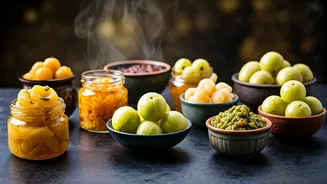
Amla Murabba is a sweet preserve, a cherished item found in many Indian homes during the winter. Preparing it involves slowly simmering amla in sugar syrup, often infused with cardamom, making it a warming comfort food. The process typically begins with pricking the amla to allow the sugar syrup to seep in, thus softening the fruit. Beyond its taste, amla murabba aids digestion and boosts immunity, making it a healthy indulgence. This traditional preparation offers a perfect balance of sweetness and tanginess, and a spoon of it is believed to provide warmth in cold weather. It is also an excellent option for those looking for a dessert that also provides health benefits.
Tangy Amla Chutney
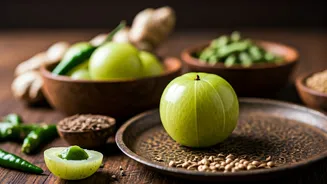
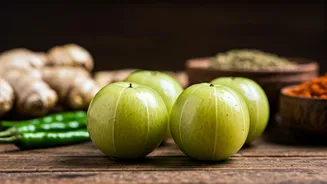
Amla chutney provides a zesty punch that complements many Indian meals. Prepared with a mixture of amla, green chilies, ginger, and various spices, it’s a quick and simple recipe that adds a flavor burst to any dish. Amla chutney is often made by grinding the ingredients together to form a thick paste. The tangy flavor of amla harmonizes with the spices, creating an ideal side dish to boost appetite, especially during the sluggish winter months. The components of this chutney contribute to its digestion-aiding properties, making it an excellent addition to heavier winter meals. It's often served alongside meals to aid digestion and enhance the overall eating experience.
Amla Juice Delight
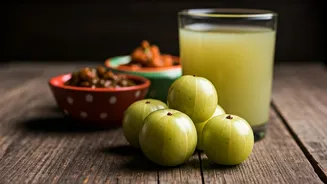
Amla juice provides a daily dose of health, making it a great way to start your winter mornings. The preparation involves blending fresh amla with water and perhaps a touch of honey to balance the sour taste. Amla juice is known for its high vitamin C content, which helps fight off infections, a welcome advantage during winter when colds and flu are more prevalent. Regularly drinking amla juice can enhance skin health, boost hair growth, and improve eyesight. This simple drink is also believed to have detoxifying properties, aiding in removing toxins from the body, and is very simple to incorporate into daily life, making it a healthy habit.
Amla Pickle Variety
Amla pickle adds a flavorful kick to winter meals, offering a burst of taste to the dining experience. Amla pickle is made by marinating amla in spices, salt, and oil, often including mustard seeds and fenugreek. This traditional method not only preserves the amla but also enriches its taste. The pickle enhances the taste and provides several health benefits. Fermented foods are often known for their probiotic qualities, which can promote better gut health. Offering a spicy and sour taste, this pickle can be a delightful accompaniment to various meals, especially in the cooler season. It provides a unique flavor profile to complement any Indian cuisine.
Amla Candy Treat
Amla candy provides a sweet and healthy option for a quick snack, especially in the winter season. These candies are made by boiling or steaming amla until soft, then infusing them with sugar or jaggery. This process preserves the goodness of amla, making it an enjoyable and healthful treat. These candies can also be flavored with various spices such as cardamom or ginger. The vitamin C in amla is known to enhance immunity. Amla candy is not just a tasty treat, it also aids digestion. They provide a delicious option for those seeking a snack that is both convenient and health-conscious, adding a little fun to your daily routines.
Amla Rice Magic
Amla rice transforms a simple meal into a vitamin-rich dish, perfect for winter lunches. This involves cooking rice and then mixing it with cooked amla, spices, and herbs. The amla is often grated or finely chopped, allowing its nutrients to blend into the rice. Adding amla to rice not only enhances the flavor but also boosts the nutritional value of the meal. It is an easy way to include amla in your family's diet without overwhelming the taste buds. Amla rice offers a comforting, healthy option, making it an attractive meal during the winter months. It's an excellent way to incorporate a nutritional boost into a regular meal.
Amla in Soups
Adding amla to soups makes for a healthy winter warmer, boosting both flavor and nutritional value. You can add finely chopped or grated amla to various soup recipes, whether they are vegetable-based or lentil-based. The sourness of the amla adds a unique twist to soups, making them more enjoyable. The inclusion of amla helps in boosting the immune system, perfect for combating seasonal health issues. This method ensures that the health benefits of amla are combined with the soothing effect of soups, making them more beneficial. This is a very easy way to add amla to your diet, and it complements the season's comforting foods.
Amla in Smoothies
Amla can be seamlessly blended into smoothies, offering a quick and healthy breakfast or snack option during the winter. Blend amla with other fruits and vegetables to mask the sourness. Amla adds a boost of vitamin C and antioxidants, making the smoothie a powerful immune booster. Smoothies are a versatile way to incorporate the goodness of amla into your diet. This offers an easy, quick way to include amla into a regular diet. It provides an efficient way to enhance your health with a burst of flavor. This way, amla consumption becomes not only nutritious but also refreshing and pleasant.