





A Heartbreaking Loss
In a deeply unfortunate event in Ahmedabad, two young girls tragically passed away following the consumption of dosa prepared with readily available, store-bought
fermented batter. The incident cast a dark shadow over their family, as both parents were left in critical condition and hospitalized due to severe vomiting after the meal. Authorities swiftly intervened, collecting samples of the suspect batter from the vendor for thorough investigation by the Food and Security Laboratory (FSL). This incident serves as a stark reminder of the potential perils associated with pre-prepared food items and the critical importance of stringent food safety protocols in kitchens, whether commercial or domestic.
Understanding 'Khiru'
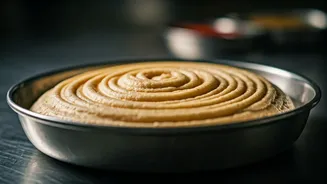
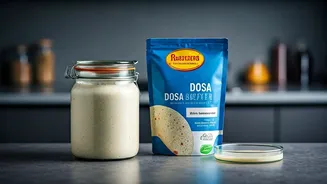
'Khiru' is a term used in Gujarati culinary traditions to describe a specific type of fermented batter. This foundational mix, typically crafted from a combination of rice and skinless urad dal, undergoes a crucial fermentation process. This fermentation, which can last anywhere from 4 to 5 hours to an entire night, is essential for achieving the light, airy texture characteristic of South Indian delicacies like dosa, idli, and uttapam. This traditional technique imbues the batter with unique flavors and textures, making it a staple for various popular dishes. The natural fermentation process can also contribute beneficial probiotics, making traditionally prepared fermented foods a potentially positive addition to a balanced diet when handled correctly.
Risks of Store-Bought Batter
Experts strongly advise increased vigilance during warmer months, particularly concerning outside food or items prepared outside the home. Store-bought batters, especially those left uncovered or handled without adequate hygiene, pose significant risks. These risks include contamination from airborne bacteria and improper refrigeration, which can lead to rapid spoilage and severe gastrointestinal issues, potentially proving fatal. Over-fermentation, exacerbated by heat, can render the batter excessively sour and lead to discomfort like acidity and bloating. Furthermore, commercially available batters might contain added preservatives or stabilizers, which, with regular consumption, may not be optimal for digestive health. Unsanitary handling practices during preparation can introduce harmful bacteria, causing gas and digestive distress, especially for those with sensitive stomachs. The quality of raw ingredients used in commercially prepared batters also remains a concern; unlike home preparations where ingredients are thoroughly washed, the cleanliness of rice and dal used by vendors may be questionable, potentially leading to severe gut problems.
Safeguarding Your Kitchen
To mitigate the risks associated with fermented batters, especially store-bought varieties, several preventative measures are paramount. Always inspect packaged batter for any signs of spoilage, such as unusual odor or texture, and pay close attention to expiration dates. If purchasing batter from local vendors, observe their hygiene practices and storage methods; ideally, the batter should be kept refrigerated. When preparing fermented batters at home, ensure all utensils and hands are thoroughly cleaned before and during the process to minimize bacterial introduction. Store homemade batter in clean, airtight containers in the refrigerator and consume it within a few days. For dishes like dosa and idli, which rely on well-fermented batter, it's crucial to use batter that has fermented correctly – neither under-fermented nor over-fermented – to avoid digestive discomfort and potential health hazards. Understanding the role of ingredients like rice, dal, and fenugreek seeds, and their proper preparation, is key to creating safe and delicious fermented products.