



Millet's Grand Return
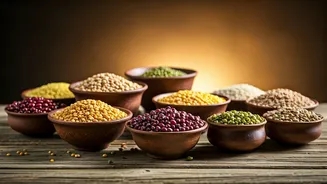
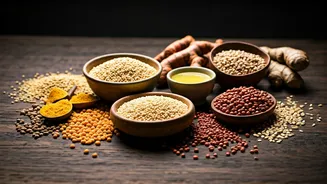
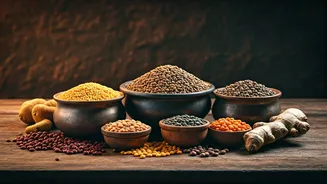
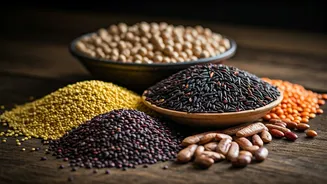
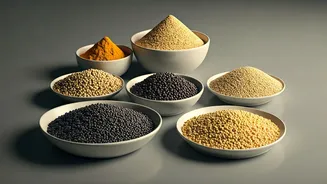
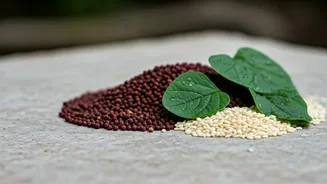
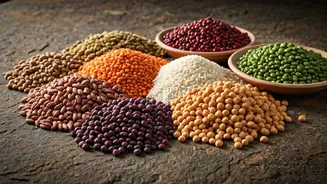
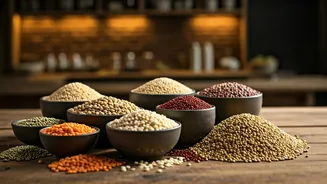
Long before they were labeled 'supergrains,' millets like bajra, jowar, and ragi were everyday staples in Indian households, often crafted into rotis and porridges.
These grains offered sustained energy and were a practical dietary choice. As refined grains gained prominence, millets receded, but they are now experiencing a remarkable resurgence. Modern wellness trends highlight their exceptional fiber content, essential minerals, and beneficial impact on blood sugar levels. This renewed appreciation positions millets not as a second-best option, but as a wise and superior grain choice, echoing the inherent understanding of older generations about balanced eating.
Jaggery's Sweet Comeback
Before the ubiquity of refined sugar, jaggery was the preferred sweetener in India, a natural ingredient infused into warm beverages, traditional sweets, and comforting winter dishes. Its rich, earthy flavor and rustic character made it a beloved choice. Today, jaggery is experiencing a renaissance, celebrated as a wholesome alternative to processed sugars. Consumers are drawn to its less industrialized sweetness, its deep flavor profile, and the comforting sense of tradition it evokes. This trend reflects a desire for sweetness that feels more authentic and deeply connected to culinary heritage, moving away from purely functional sweeteners towards those that offer both taste and a sense of origin.
Curd: A Daily Necessity
In Indian kitchens, curd (dahi) was never a fleeting trend but a consistent daily presence, served with meals, blended into refreshing chaas, or used to soothe the body during hot weather. Its value was recognized for its simplicity, familiarity, and tangible benefits. Now, curd is being championed by the wellness community for its potent probiotic content, crucial for gut health and immune function. While scientific validation is louder today, the practice remains rooted in centuries of tradition. Grandparents understood curd's restorative properties, often relying on it to aid digestion after heavy meals or to recover from heat. Its enduring presence highlights how some foods require not reinvention, but simply a conscious act of remembering their inherent value.
Makhana: The Light Snack
For a considerable time, makhana (fox nuts) occupied a modest space in Indian culinary culture, primarily consumed during religious fasts, lightly roasted at home, or seasoned as a simple evening snack. It was a quiet pantry staple, offered without fanfare, appreciated by elders for its lightness and ease of digestion. In recent years, makhana has undergone a significant transformation, being marketed as a premium, health-conscious snack. Packaged attractively, it's now promoted for its high protein and low-fat content, appealing to those seeking mindful eating options. This dramatic shift from a humble food to a sophisticated snack highlights its inherent versatility and satisfying lightness, qualities that have ensured its longevity across generations.
Ghee's Nourishing Revival
Ghee, a staple in traditional Indian cooking, was once used liberally on everything from rotis and rice to dals and sweets, seen as a source of nourishment and strength. However, evolving dietary advice led to its temporary sidelining and increased scrutiny. Ghee is now making a robust comeback, embraced in moderation for its rich flavor, ability to promote satiety, and its connection to culinary heritage. Grandparents viewed ghee not as an indulgence but as a fundamental component of a healthy diet, providing essential energy and comfort. This renewed affection for ghee signifies a broader cultural shift towards valuing foods that offer both practical health benefits and a grounding sense of emotional and culinary connection.
Fermented Foods' Gut Power
Long before the concept of the 'microbiome' gained widespread recognition, Indian kitchens were adept at the art of fermentation, producing staples like idlis, dosas, dhokla, and various pickles and kanji. These preparations were practical, dictated by seasons, and steeped in traditional household knowledge, rather than being designed as deliberate wellness products. Today, fermentation is a globally celebrated food trend, lauded for its positive impact on gut health and digestive diversity. In India, however, this practice has always been an intrinsic part of everyday cooking. The current fascination with fermented foods reveals how many 'new' trends are essentially rediscovered ancient practices, blending historical culinary wisdom with contemporary scientific understanding.
Chutneys and Spices: Flavor and Function
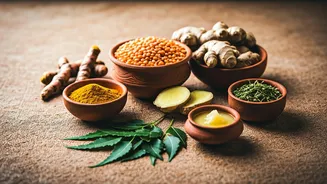
Grandparents did not consider chutneys mere accompaniments; they were integral to a complete meal, adding zest, freshness, and complexity. From coconut and mint to tomato and garlic, numerous regional variations enriched every dish. Similarly, spices like ajwain, jeera, methi, turmeric, and black pepper were daily essentials, valued not just for taste but for their digestive and medicinal properties. Today's food culture is rediscovering this dual role of flavor and function, celebrating how chutneys and spices can elevate simple meals and contribute to well-being. This resurgence highlights the profound wisdom in traditional Indian kitchens, where culinary excellence and health benefits were seamlessly intertwined, often without any conscious pursuit of 'trends'.