





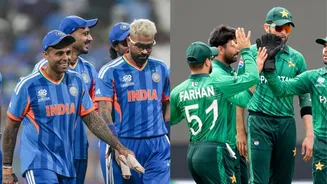
ICC's Stern Warning
The International Cricket Council (ICC) wasted no time in responding to Pakistan's initial announcement of a boycott. The governing body swiftly issued
a statement emphasizing that selective participation in a global tournament fundamentally undermines the principles of fair play, competitiveness, and the overall integrity of the sport. The ICC made it clear that such a refusal to play a scheduled fixture could lead to significant and lasting repercussions for Pakistan's cricket standing. This early intervention signaled the seriousness with which the ICC viewed the situation and its commitment to upholding the tournament's schedule and competitive balance. The message was clear: a boycott would not be taken lightly and would invite significant consequences for the Pakistan Cricket Board (PCB).
Intense Negotiations
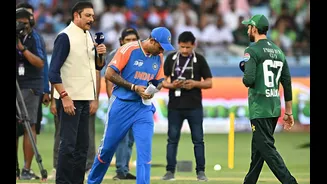
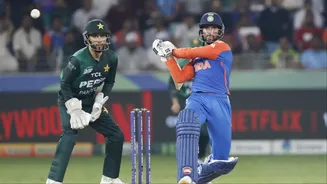
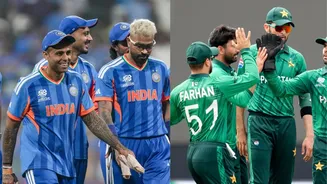
Following the ICC's warning, a flurry of high-level discussions took place involving key stakeholders. Delegations representing the ICC, the PCB, and the Bangladesh Cricket Board (BCB) convened in Lahore for intensive talks aimed at resolving the impasse. During these crucial meetings, officials highlighted the substantial commercial ramifications of canceling the India-Pakistan fixture. It was emphasized that this particular match is a major revenue generator for the tournament, contributing significantly to broadcast rights and sponsorship income, not only for the ICC but also for various member boards. While specific financial figures remained undisclosed, it was widely acknowledged that the India-Pakistan clash is one of the most lucrative matches in the entire T20 World Cup. The Bangladesh Cricket Board also actively urged Pakistan to reconsider its position, stressing the importance of maintaining the global cricket ecosystem's health and stability.
Sri Lanka's Appeal
Adding another layer to the diplomatic efforts, Sri Lanka Cricket (SLC) also weighed in on the matter. The SLC dispatched a formal letter to the PCB, reminding them of Pakistan's past support for Sri Lanka in challenging times. Furthermore, the letter detailed the potential 'economic impact' that a forfeiture would have on Sri Lanka, particularly given that the match was scheduled to be held in Colombo. This appeal underscored the interconnectedness of cricket hosting nations and the broader economic benefits derived from such high-profile fixtures. The inclusion of Sri Lanka's perspective added a regional dimension to the pressure being exerted on Pakistan, highlighting the ripple effects of their boycott decision beyond just the cricketing fraternity.
Government Reversal
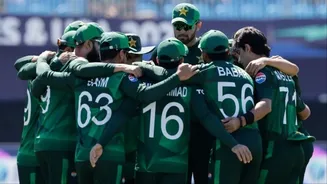
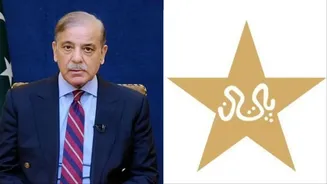
The pivotal moment arrived after extensive multilateral discussions and appeals from friendly nations. The ICC's deputy chairman, Imran Khwaja, held direct discussions with the PCB and BCB in Lahore. Subsequently, the PCB chairman was scheduled to meet with the Prime Minister of Pakistan, Shehbaz Sharif, who would make the final decision. By the evening, Pakistan had officially withdrawn its boycott. The government issued a formal statement directing the national cricket team to participate in the scheduled fixture against India. This decision was framed as a commitment to protecting the spirit of cricket and ensuring the continuity of the global sport, signifying a pragmatic approach that prioritized international sporting relations over bilateral political sentiments.
Key Reversal Factors
Several critical factors converged to compel Pakistan's change of heart. Firstly, significant multilateral diplomatic pressure was exerted by other ICC member nations, including Bangladesh and Sri Lanka, who emphasized the overarching interests of cricket beyond individual political disputes. Secondly, the substantial commercial stakes involved were undeniable; the India-Pakistan match is a cornerstone of the ICC's broadcast and sponsorship revenue, and its cancellation threatened considerable financial losses for all involved, including the Sri Lankan economy. Thirdly, the PCB's attempt to invoke 'Force Majeure,' a clause that excuses contract fulfillment due to unforeseen circumstances, was met with scrutiny by the ICC, which sought robust justification for its invocation. Finally, the clear prospect of financial repercussions, even if not publicly detailed by the ICC, added considerable weight to the arguments for reconsidering the boycott, influencing both policymakers and cricket administrators.