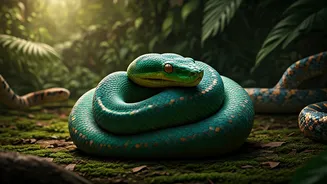






China's Serpent Diversity
China boasts an impressive array of over 246 snake species, with a significant concentration found in its southern provinces. Travelers exploring regions
like the Yunnan forests, Guangxi hills, and rural farmlands should exercise heightened caution, particularly in subtropical areas. These environments are rich in serpentine life, and awareness is key to enjoying the natural beauty without incident. Understanding the local flora and fauna, and respecting their habitats, will significantly contribute to a safer travel experience. It's always wise to be prepared and informed about the specific wildlife present in the regions you plan to visit.
Mexico's Reptilian Abundance
Mexico stands out with an astonishing count of approximately 438 snake species, thriving across its diverse landscapes, from arid deserts to lush rainforests and coastal regions. Enthusiasts and researchers worldwide are drawn to Mexico's rich herpetofauna. Prime locations for sightings include the Baja California deserts, the Yucatán jungle, and the Sierra Madre mountains. Visitors, especially those venturing into arid areas like Baja California, must be vigilant for rattlesnakes. Engaging local guides who possess intimate knowledge of the terrain is highly recommended, as is strictly adhering to marked trails to minimize risks and appreciate the natural wonders safely.
Malaysia's Forest Dwellers
Malaysia is a sanctuary for over 200 snake species, predominantly inhabiting its dense rainforests and intricate mangrove systems. Key areas for observing these creatures include Taman Negara National Park, the island of Borneo, and various mangrove ecosystems. For visitors planning an exploration, wearing appropriate full-coverage clothing within national parks is advised. Sticking to designated pathways and keeping binoculars readily available will enhance both safety and the viewing experience. These precautions help ensure travelers can appreciate Malaysia's biodiversity while respecting the natural habitats of its serpentine inhabitants.
Vietnam's Humid Havens
Vietnam's predominantly humid forests are home to more than 220 snake species, including well-known varieties like cobras and pit vipers. Significant areas for potential encounters are the Mekong Delta, various national parks, and secluded forest reserves. Travelers are strongly advised to steer clear of excessively dense vegetation and to exercise extreme care, avoiding blind placement of hands into bushes or tree hollows. This vigilance is crucial for appreciating Vietnam's diverse wildlife responsibly and ensuring personal safety while navigating its rich natural landscapes.
Brazil's Amazonian Riches
Brazil presents a veritable paradise for snake aficionados, harboring over 420 species, with the Amazon rainforest being a particularly remarkable ecosystem teeming with life. This region is celebrated as one of Earth's most serpent-rich environments. Popular spots for observation include the vast Amazon Rainforest, the expansive Pantanal wetlands, and the banks of numerous rivers. For those venturing into the jungle, wearing sturdy boots and carrying essential gear is paramount. Avoiding swimming in murky waters is also a wise precaution, as these can conceal creatures like anacondas, ensuring a safer engagement with the wilderness.
Indonesia's Coastal and Jungle Life
Indonesia hosts a substantial population of over 376 snake species, encompassing impressive pythons and formidable sea snakes, some of which are considered highly venomous. Notable locations for observation include the jungle trails of Bali, the Komodo Islands, and the extensive coastal mangrove areas. Visitors are urged to maintain a heightened level of caution when in proximity to coastal waters and mangrove environments, as sea snakes are frequent inhabitants. This awareness is vital for enjoying Indonesia's unique island ecosystems safely and respectfully.
Colombia's Diverse Ecosystems
Colombia, characterized by its stunning blend of rainforest and mountain ecosystems, is home to more than 300 distinct snake species. Key areas for exploration and potential sightings include the Amazon basin, the Chocó jungle, and the foothills of the Andes mountains. Given the nature of these environments, it is strongly recommended for visitors to hire local guides. These experts possess invaluable knowledge of the terrain and potential hazards, significantly enhancing safety in these high-risk zones and allowing for a more informed appreciation of the region's biodiversity.
Australia's Venomous Encounters
Australia is a habitat for over 200 snake species, including some of the world's most venomous. The country has also established an exceptional emergency response infrastructure for snakebite incidents, providing a robust safety net. Significant regions for encountering snakes are the Outback, the forests of Queensland, and coastal scrublands. Travelers are advised to explore these areas accompanied by locals who are familiar with the environment and to diligently observe all local safety signage. This approach ensures a safer and more informed journey through Australia's wild landscapes.
Ecuador's Ambitious Array
Despite its relatively smaller geographical size, Ecuador harbors an impressive diversity with over 240 snake species, largely due to its Amazonian and Andean regions. Travelers can find opportunities for sightings at Amazon rainforest lodges, in cloud forests, and along jungle trails. A practical tip for nocturnal creatures is to carry a flashlight, as many of Ecuador's snakes are most active after dark. This simple precaution enhances safety and allows for better observation in the country's rich and varied natural environments.
India's 'Big Four' Challenge
India is home to over 300 snake species, notably including the 'Big Four' – the Common Krait, Russell's Viper, Saw-scaled Viper, and Spectacled Cobra – which are responsible for the majority of snakebite incidents in the country, accounting for over 90 percent of cases. Prime locations for snake sightings include the Western Ghats, Sundarbans mangroves, and forests in central India. Snake activity often increases during the monsoon season. It is advisable for visitors to avoid walking barefoot in rural or forested areas, ensuring a safer experience amidst India's diverse wildlife.