





Fuel Woes Hit Cafés
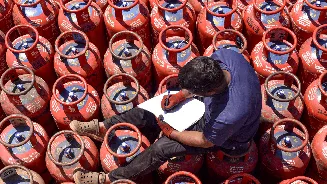
Hyderabad's vibrant Irani cafés are at a critical juncture, facing an escalating LPG shortage that is not only driving up operational expenses but also
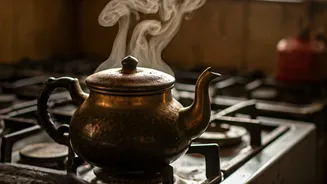
critically depleting commercial gas supplies. This scarcity poses a significant threat to the very existence of the city's distinctively flame-brewed tea. As securing gas cylinders becomes increasingly difficult and costly, café owners are confronted with a profound dilemma: either fundamentally alter their traditional brewing methods to remain afloat or risk compromising the authentic taste and quality that has made Irani chai a cherished ritual for so many. This situation strikes at the heart of a daily routine for countless individuals, from early morning commuters to those seeking late-night conversations, all of whom rely on the consistent comfort of these establishments. The core of the issue lies in Irani chai's unique preparation, which demands extended simmering times over an open flame to achieve its characteristic robust flavor and rich consistency, a process that inherently consumes a substantial amount of fuel. Consequently, the current fuel crisis directly impacts the ability to produce chai that meets the high standards expected by its dedicated patrons.
Costly Alternatives Emerge
For larger Irani tea franchises, the challenge extends beyond mere taste to encompass the sheer volume required to meet daily demand, often involving hundreds of liters of milk across multiple branches. Owners express significant apprehension about experimenting with alternative cooking methods like wood fire for tea production. While such methods might be feasible for dishes like biryani or haleem, they are deemed too risky for milk-based beverages. The potential for waste, with a single mishap leading to the loss of over a hundred liters of milk, presents an unacceptable financial risk. The intrinsic nature of Irani chai, which necessitates a prolonged boiling period to develop its strong, 'kadak' flavor, inherently requires more fuel than standard tea preparation. This makes the current fuel crunch particularly impactful. In response, some cafés are exploring alternatives such as induction cooktops. While induction offers better temperature control and consistency, especially for large-scale operations, the investment is substantial. Induction units that previously cost between ₹15,000 and ₹20,000 are now priced as high as ₹53,000. The ongoing transition between LPG and induction sources presents a daily hurdle in maintaining the signature thickness, flavor, and color that define Hyderabad's Irani chai.
Smaller Stalls' Struggle
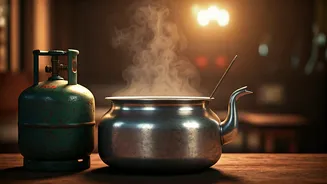
Smaller, independent tea stalls face a more immediate and critical impact from the LPG shortage. For these establishments, their entire operation often hinges on the availability of a single gas cylinder. Traditionally, owners would allow the tea decoction and milk to simmer slowly over a long period, enabling the flavors to meld and the milk to thicken, thereby achieving the potent strength characteristic of authentic Irani chai. However, with gas supplies becoming both uncertain and prohibitively expensive, this slow simmering process is becoming unsustainable. Many stall owners have been compelled to increase their prices, a move that often draws customer queries. Despite these price hikes, the cost of gas cylinders has escalated, and availability remains a constant concern. To cope, many are resorting to preparing smaller batches more frequently. While this is a necessary adaptation, it inevitably leads to slight variations in consistency throughout the day, and discerning regular customers can often detect this difference, noting that the chai might be lighter or less robust than usual.
Balancing Act for Consistency
Some cafés are attempting to navigate the crisis through a calculated mix of LPG and induction cooking, striving to maintain consistency from morning to night. Managers emphasize that Irani chai cannot be rushed; both the tea decoction and the milk require a controlled heating process over time. As LPG availability becomes less predictable, these establishments are integrating induction into their workflow, particularly during off-peak hours, to manage fuel consumption more effectively. While induction excels at temperature regulation, it differs significantly from the direct heat of a flame. The way induction heat interacts with the vessel is not the same as an open flame, leading to subtle but perceptible differences in the tea's texture and depth of flavor. This requires constant adjustments, with staff deciding when to utilize LPG and when to switch to induction, all in an effort to ensure that the chai remains familiar and enjoyable for their regular clientele. This meticulous balancing act is crucial for retaining the essence of the beloved beverage amidst these operational challenges.
Price Hikes and Taste
Across Hyderabad, the cost of a cup of Irani chai has seen a modest increase, typically ranging from ₹2 to ₹5 at various establishments. While this increment might seem small, for those who enjoy the beverage multiple times a day, it represents a noticeable cumulative expense. Despite this price adjustment, the allure of Irani chai remains strong for its loyal patrons, who consider it an indispensable part of their daily routine, particularly during work breaks. Many customers acknowledge the price change but express their continued commitment to their favorite beverage, indicating that it's more than just a drink; it's a habit and a ritual. Alongside the price shifts, some patrons have also observed subtle alterations in the taste profile of the chai. These changes are attributed to the unavoidable modifications in the brewing process necessitated by the fuel shortage. While the willingness to pay slightly more persists, the consistent quality and distinct flavor are paramount for the enduring appeal of Hyderabad's iconic Irani chai, highlighting the delicate interplay between affordability, tradition, and the evolving operational landscape of these beloved cafés.