


Poha's Sugar Impact
Renowned chef Sanjeev Kapoor recently sparked a conversation about poha, a popular Indian breakfast item, suggesting it might not be as healthy as commonly
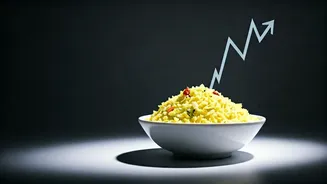
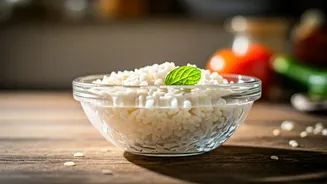
perceived. He voiced concerns that poha could lead to significant spikes in blood sugar levels, even going as far as to state that if rice is considered detrimental, poha is arguably worse. Kapoor's remarks, made in an interview, highlighted his view that poha, while a comforting dish, can cause a rapid surge in glucose when consumed, particularly for breakfast. This perspective challenges the traditional perception of poha as a wholesome morning meal for many in India, prompting a closer look at its nutritional profile and effects on the body.
Expert Nutritional Analysis
Contrasting Chef Kapoor's strong assertion, medical experts offer a more nuanced perspective on poha's impact on blood sugar. Dr. Vijay Negalur, Head of Diabetology at KIMS Hospitals, Thane, described Kapoor's statement as an 'oversimplification.' He acknowledged that poha, being made from flattened rice, is indeed a refined carbohydrate that can elevate blood glucose levels, especially when consumed in large quantities or as a standalone meal. However, Dr. Negalur emphasized that the effect of poha isn't inherently worse than rice; rather, the overall impact on blood sugar is a complex interplay of various factors. These include the portion size, the specific method of preparation, and importantly, what other food items are included in the meal. A plain, substantial serving of poha might indeed lead to a quicker rise, but this can be effectively managed through mindful consumption.
Understanding Poha's Digestion
Poha's inherent nutritional composition plays a crucial role in its digestion and subsequent effect on blood sugar. It is relatively low in dietary fiber and protein, two key nutrients that typically help to decelerate the absorption of glucose into the bloodstream. Because poha undergoes processing, including flattening, its structure allows for quicker digestion. This faster breakdown process is similar to what occurs with other foods derived from refined grains, leading to a more rapid increase in blood glucose levels. Nevertheless, Dr. Negalur points out that the extent of this rise is not uniform; it can vary significantly from person to person, influenced by individual metabolic rates and the composition of the entire meal consumed. This variability means that poha's effect isn't a one-size-fits-all scenario.
Strategies for Balanced Poha
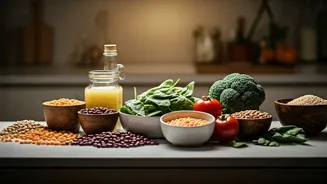
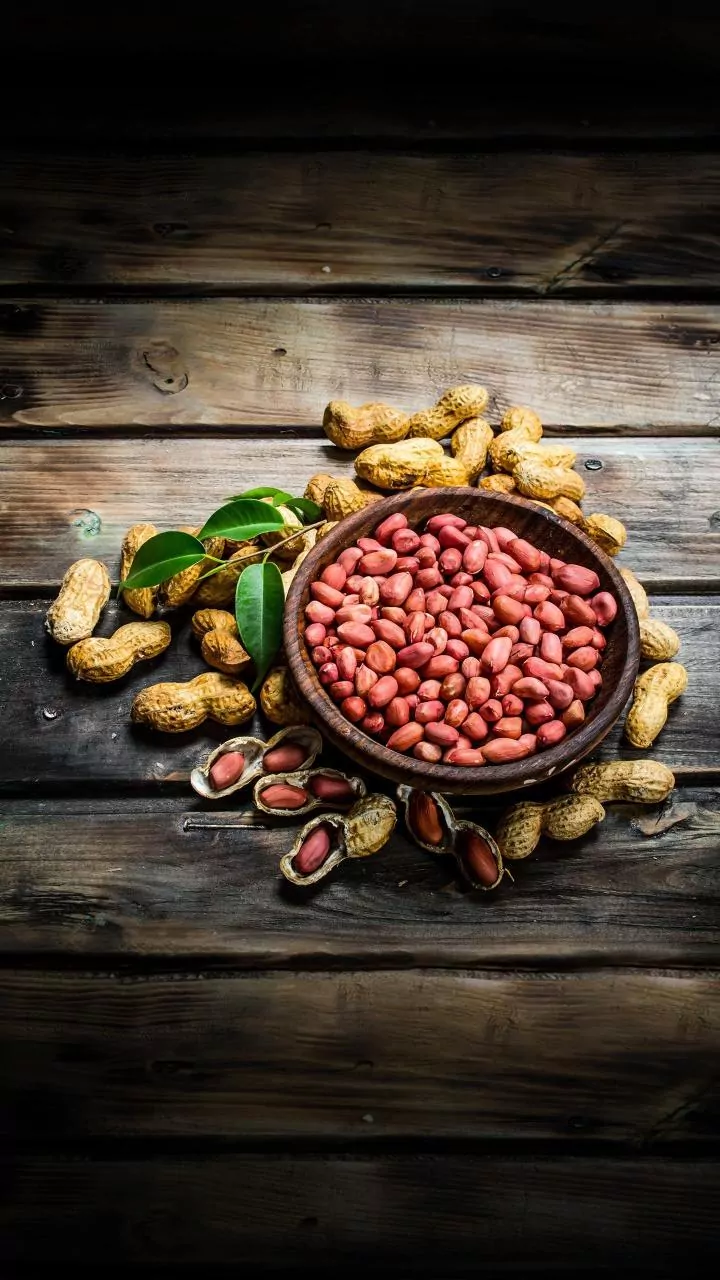
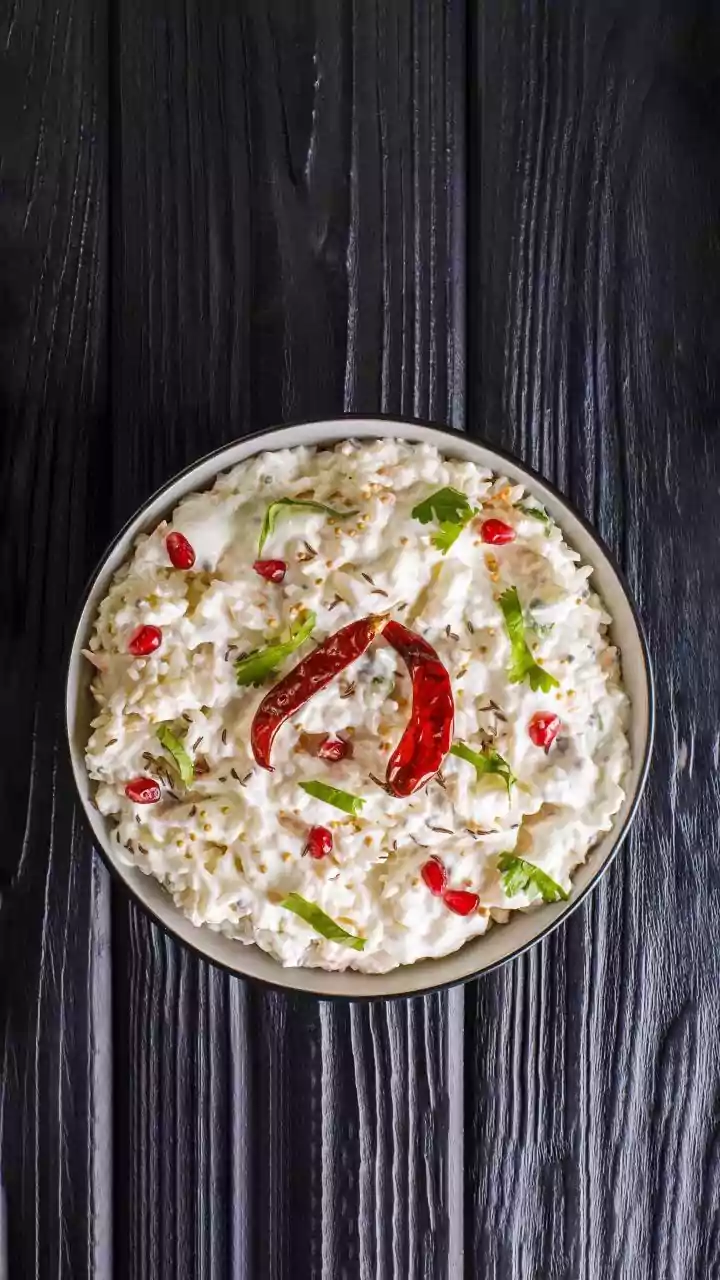
The question of whether individuals with diabetes must entirely abstain from poha is met with a qualified 'not necessarily' from nutritionists. The approach recommended is not one of complete elimination but of thoughtful consumption. Dr. Negalur advocates for stringent portion control as a primary strategy to manage blood sugar spikes. Furthermore, he stresses the importance of avoiding poha as a solitary meal. By incorporating protein-rich accompaniments such as peanuts, sprouts, or a side of curd, and by generously adding a variety of vegetables, a poha meal can be transformed into a more balanced option. These additions help to slow down digestion and mitigate sudden surges in blood glucose, making it a more diabetes-friendly choice. Even minor adjustments can yield substantial benefits in managing blood sugar levels.
Enhancing Poha's Healthiness
Making significant improvements to poha's health profile is achievable through simple, strategic additions. Incorporating fiber-rich vegetables like peas, carrots, or capsicum enhances the meal's overall nutritional value and slows down the digestive process. Including a source of healthy fats or lean protein further contributes to a more balanced macronutrient profile, which is essential for stable blood sugar. Beyond the ingredients, mindful eating habits are also paramount. Choosing a moderate serving size, consciously avoiding sugary beverages alongside the meal, and even the simple act of eating slowly can positively influence how the body processes glucose. These practical tips empower individuals to enjoy poha without compromising their health goals.
Holistic Eating Habits
Ultimately, the discussion around specific foods like poha benefits from a broader perspective on dietary patterns. Rather than rigidly categorizing foods as strictly 'good' or 'bad,' experts suggest focusing on the overall quality and balance of one's eating habits. The significance of balanced meals, a keen awareness of portion sizes, and maintaining consistency in dietary choices often outweigh the impact of any single food item. Occasional, minor fluctuations in blood sugar are generally less concerning than consistent, long-term patterns of unhealthy eating. The overarching goal should be to cultivate sustainable eating practices that support stable blood sugar levels without imposing excessively restrictive diets, fostering a healthier relationship with food.