






Idli: South Indian Delight
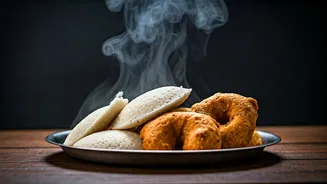
Idli, a quintessential South Indian breakfast, takes the spotlight as the first dish. These fluffy, steamed cakes are made from fermented batter of rice
and lentils. The fermentation process gives idli its characteristic tangy flavor and makes it easily digestible. Typically served with sambar (a lentil-based vegetable stew) and coconut chutney, idli is a complete and balanced breakfast. The steaming process preserves the nutrients, making it a healthy option. Variations include rava idli (made from semolina) and mini idlis, which are popular for their quick preparation and ease of consumption. Idli's simplicity and health benefits have made it a beloved breakfast choice across India.
Dhokla: Gujarati Special
Originating from Gujarat, Dhokla is a savory steamed snack made from a fermented batter of gram flour (besan). This dish is light, fluffy, and slightly tangy, often flavored with spices like mustard seeds, green chilies, and ginger. The fermentation process is key, as it provides the distinctive texture and taste. Dhokla is steamed until it becomes spongy and then tempered with a tadka of mustard seeds, curry leaves, and sometimes, asafoetida. It's usually served with chutney, such as coriander or tamarind, making it a delightful and healthy breakfast option. Dhokla’s appeal lies in its versatility and ease of preparation, fitting perfectly into a quick morning routine.
Modak: Maharashtrian Sweet
Modak, a sweet dumpling, is a special treat, especially popular in Maharashtra. These are often associated with the festival of Ganesh Chaturthi. Made from rice flour or wheat flour and stuffed with a filling of grated coconut and jaggery, modaks are steamed to perfection. The process of steaming ensures the filling remains soft and the outer shell becomes tender. This creates a balanced combination of textures and flavors, making it a delicious and satisfying breakfast option. They symbolize auspicious beginnings and prosperity, enhancing their appeal during festive occasions.
Puttu: Kerala’s Staple
Puttu, a traditional breakfast from Kerala, is a steamed rice cake often layered with grated coconut. The rice flour is steamed in a special cylindrical mold, creating a unique texture that’s light and fluffy. Puttu is traditionally served with kadala curry (black chickpea curry) or with banana and sugar, providing a variety of flavor profiles. The combination of rice and coconut offers a nutritious start to the day. The simple ingredients and preparation method make puttu an easy and wholesome breakfast choice, celebrated for its cultural significance in Kerala.
Khaman: Another Gujarati
Another Gujarati specialty, Khaman is similar to Dhokla but is made with chana dal (split chickpeas). Khaman is steamed and often tempered with mustard seeds, asafoetida, and curry leaves. It has a slightly coarser texture compared to Dhokla and boasts a tangy and savory flavor profile. Served with chutneys, Khaman is a light and refreshing breakfast option. Its quick preparation and easily accessible ingredients make it a popular choice for busy mornings. The use of chana dal provides a good source of protein, making it a nutritious breakfast.
Idiyappam: String Hoppers
Idiyappam, also known as string hoppers, are thin, noodle-like steamed rice cakes, popular in South India and Sri Lanka. Made from rice flour pressed into string-like strands and steamed, they have a soft and delicate texture. Idiyappam is usually served with vegetable stew, egg curry, or coconut milk, providing a delicious combination of flavors. Their light and airy texture makes them a comfortable breakfast choice, and they are easily digestible. The preparation is simple, making it a quick and healthy option to start your day.
Bati: Rajasthan’s Delight
Bati, a baked wheat dumpling from Rajasthan, is sometimes steamed for a healthier version. While traditionally baked, the steamed version retains its hearty texture while making it easier to digest. The dough, made from wheat flour, is often mixed with spices and ghee. Steamed bati is generally served with dal (lentil soup) and churma (sweet crumbled bread), offering a complete meal. Steaming the bati ensures a softer interior, making it more palatable for breakfast. This version provides a more health-conscious alternative to the traditional preparation, without sacrificing the flavor.
Momos: Himalayan Treat
Momos, steamed dumplings, are a beloved dish from the Himalayan regions, gaining popularity across India. The filling can vary, including vegetables, chicken, or pork, encased in a dough wrapper. They are steamed until cooked through, resulting in a soft and juicy texture. Momos are typically served with a spicy tomato chutney or a dipping sauce. While not traditionally Indian, their widespread availability and popularity make them a great steamed breakfast choice. The variety of fillings allows customization to different dietary preferences.
Vada: South Indian Snack
Vada, a savory doughnut-shaped fritter, is often steamed as a lighter alternative to deep frying. Made from urad dal (black gram), the batter is fermented to create a fluffy texture. Steaming the vadas preserves their soft interior while keeping them lighter. They are generally served with sambar and chutney, making them a satisfying breakfast. The fermentation process enhances digestibility, and steaming reduces the oil content, making them a healthier choice. This preparation method maintains the traditional flavors while adding a health-conscious twist.
Poha: Flattened Rice
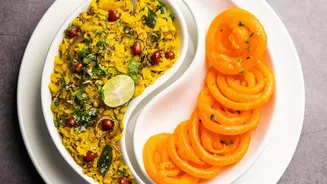
Poha, a popular breakfast dish across India, can be prepared in various ways. Steamed poha offers a healthier version of this common meal. Flattened rice is soaked and then steamed with spices, onions, and often, potatoes. The steaming process ensures the poha is soft and absorbs the flavors well. Typically garnished with coriander, lemon juice, and sev, it's a quick and nutritious breakfast choice. The preparation is simple and customizable with different vegetables, making it a versatile option to suit personal preferences and available ingredients.