



North Indian Delights
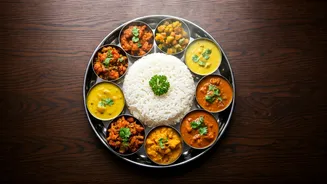
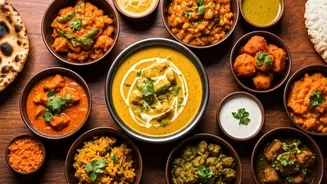
Northern Indian cuisine is celebrated for its rich, creamy gravies and aromatic spices. Dishes like Butter Chicken, Paneer Tikka Masala, and various types
of tandoori preparations are hallmarks of this region. The use of dairy products such as ghee, yogurt, and cream is prevalent, contributing to the decadent texture and flavor profiles. Staple grains include wheat, used to make rotis, naans, and parathas, often cooked in a tandoor, a traditional clay oven. The influence of Mughal cuisine is evident in many of its rich curries and biryanis, showcasing a complex layering of spices like cardamom, cinnamon, and cloves. Regional variations exist, with Punjabi cuisine emphasizing hearty, robust flavors and Rajasthani cuisine incorporating local ingredients and a unique spice blend that often includes dried red chilies and a variety of lentils.
South Indian Staples
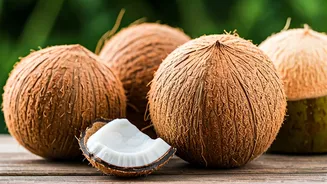
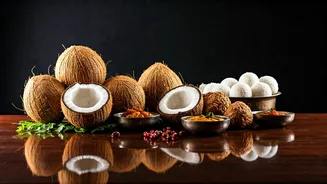
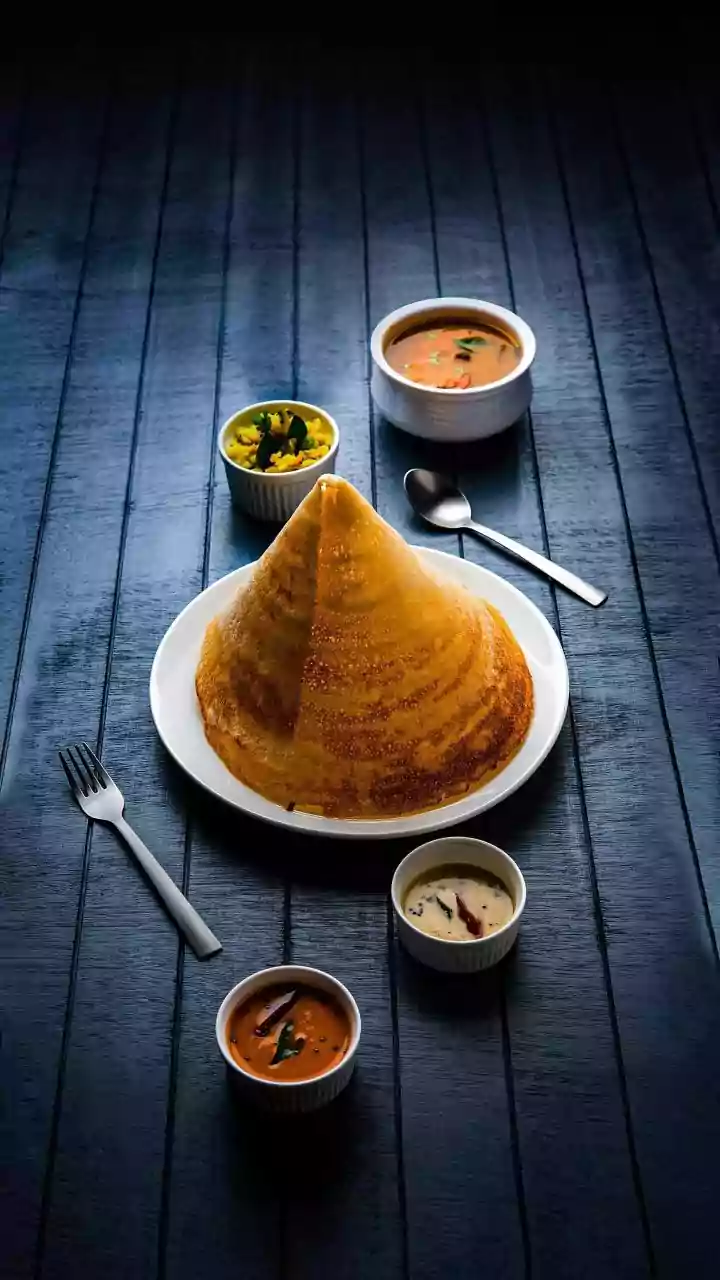
The culinary traditions of South India are characterized by the liberal use of rice, lentils, coconut, and a distinct blend of spices. Dosa, idli, and vada, fermented rice and lentil preparations, form the breakfast staples, typically served with sambar (a lentil-based vegetable stew) and various chutneys. The coastal regions heavily feature seafood, often prepared with tamarind and curry leaves, lending a tangy and aromatic zest. Coconut milk is a common ingredient in curries and desserts, adding a subtle sweetness and creamy texture. Rice is the primary grain, consumed in numerous forms, from plain steamed rice to elaborate biryanis and pulaos. Spices such as mustard seeds, fenugreek, turmeric, and asafoetida are fundamental to the flavor base. Andhra Pradesh is known for its fiery curries, while Kerala offers a milder, coconut-rich cuisine, and Tamil Nadu boasts a diverse range of vegetarian and non-vegetarian dishes.
East Indian Flavors
Eastern Indian cuisine, particularly from regions like West Bengal and Odisha, is marked by its subtle yet distinct flavors, often highlighting fish and rice. Bengali cuisine is famous for its delicate fish curries, such as Macher Jhol, and a variety of sweets made with milk and chenna (cottage cheese), like Roshogolla and Sandesh. Mustard oil is a predominant cooking medium, imparting a pungent undertone to many dishes. The region also utilizes poppy seeds and panch phoron (a five-spice blend) extensively. Odia cuisine, while also featuring rice and fish, offers a unique approach with a focus on less spice and a greater emphasis on natural sweetness derived from ingredients like coconut and jaggery. Regional specialties like Pakhala (fermented rice) and Chenna Poda (a baked cheese dessert) showcase the culinary ingenuity of this area. Northeastern states add their own distinctiveness with fermented foods, bamboo shoots, and a variety of herbs and spices.
West Indian Zest
Western Indian cuisine presents a vibrant fusion of flavors, influenced by its varied geography and history. Gujarati cuisine is predominantly vegetarian, characterized by a sweet, tangy, and mildly spiced profile. Dishes like Dhokla, Thepla, and Khandvi are popular snacks and main courses. The use of groundnuts and a specific spice blend is common. Maharashtrian cuisine showcases a wider range, from the spicy Kolhapuri curries to the coastal seafood preparations and the subtly sweet Puran Poli. Pav Bhaji and Vada Pav are iconic street food contributions from this region. Goan cuisine is a delightful blend of Indian and Portuguese influences, with seafood taking center stage. Vindaloo and Xacuti are flavorful curries that exemplify this fusion, often featuring vinegar, garlic, and a robust mix of spices. The arid regions of Rajasthan, though geographically western, are known for their hearty, robust flavors and use of pulses and grains.
Street Food Sensations
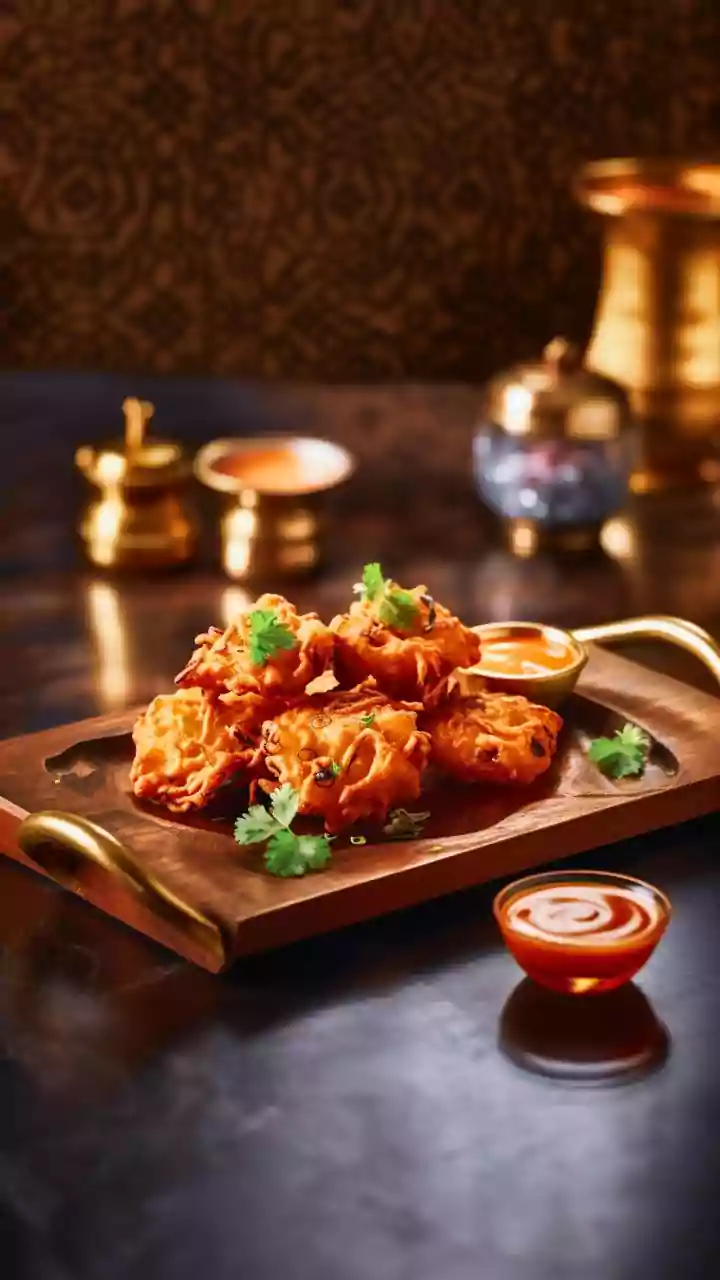
Indian street food is a culinary phenomenon, offering an explosion of tastes and textures that are both affordable and incredibly delicious. From the iconic chaats of Delhi, like Pani Puri and Aloo Tikki, to the Vada Pav in Mumbai and the Kathi Rolls in Kolkata, each region boasts its unique street food specialties. These snacks often involve a complex interplay of sweet, sour, spicy, and savory elements, utilizing chutneys, yogurt, and an array of spices. Think of the diverse offerings like Bhel Puri, Sev Puri, Dahi Vada, and Samosas, each with regional variations. The appeal lies not only in the taste but also in the vibrant, bustling atmosphere of the street food stalls, offering a true sensory experience. These quick bites are deeply embedded in the Indian food culture, providing accessible and delightful culinary experiences for people from all walks of life.