






Hair as Identity
Our hair is intrinsically linked to how we perceive ourselves and, consequently, how we believe the world sees us. It plays a significant role in shaping
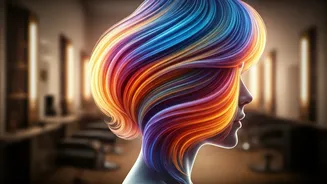
our personal identity and self-image. This deep connection means that changes to our hair, whether a dramatic cut or a subtle color shift, can carry substantial emotional weight. For many, hair isn't just an accessory; it's a fundamental part of their self-expression and a reflection of their inner state. When navigating challenging life transitions, such as a breakup or a major upheaval, the desire for a new look often intensifies. This urge stems from the powerful symbolism associated with altering such a visible aspect of our being. A new hairstyle can serve as a tangible signal of an internal shift, a declaration of a fresh start, and a way to externalize personal growth or a desire for reinvention.
The Reset Button
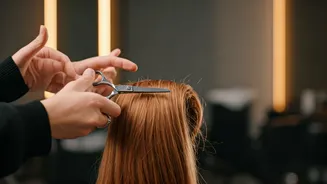
The act of cutting or styling hair is frequently associated with a sense of renewal and mental detoxification. This psychological link is particularly strong during periods of emotional turbulence. When individuals experience significant life events like breakups or periods of intense stress, there's often an almost instinctive desire to alter their hair. This can manifest as a bold chop, the addition of new bangs, or experimenting with vibrant colors. The haircut then becomes a symbolic gesture, an external modification that mirrors and solidifies an internal transition. It offers a feeling of a clean slate, a clear indication that a new chapter is beginning. This tangible action in a world that may feel out of control allows individuals to reclaim a sense of agency, making a deliberate choice about their presentation and signaling a personal metamorphosis. It's less about the physical hair and more about the profound meaning attached to it: reinvention, autonomy, and the comfort found in initiating change on one's own terms.
Validation and Confidence
Altering one's appearance through a new hairstyle can have a profoundly positive effect on one's mood, largely due to the positive reinforcement that often accompanies such changes. When we adopt a new look, it's not solely the transformation itself that lifts our spirits; it's also the external feedback we receive. People tend to notice and offer compliments, which validates the decision and enhances our self-perception. This external affirmation creates a powerful positive feedback loop. Feeling good about the courageous step taken, and then having those feelings amplified by the reactions of others, strengthens our confidence and reinforces the positive impact of the change. This cycle of initiating change and receiving positive affirmation directly contributes to a noticeable uplift in mood and a stronger sense of self-assurance. The external validation solidifies the internal sense of renewal and empowerment.