



Eclipse Timings Revealed
The much-anticipated total lunar eclipse of March 3, 2026, will offer a fantastic viewing opportunity across India. The astronomical event is slated to commence
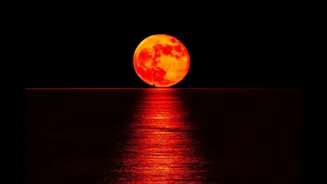
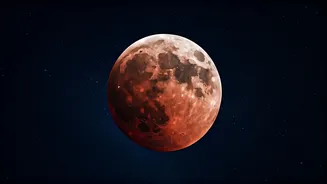
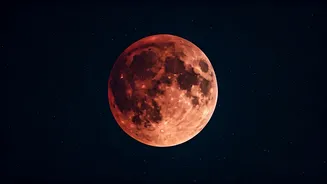
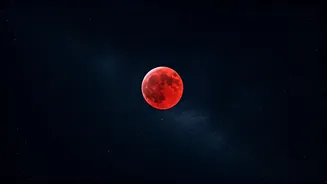
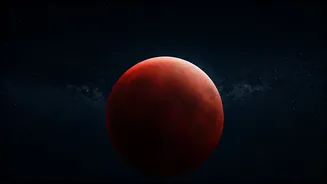
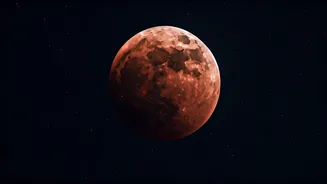
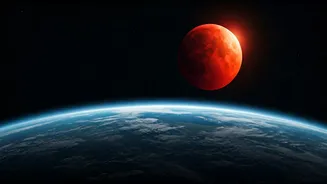
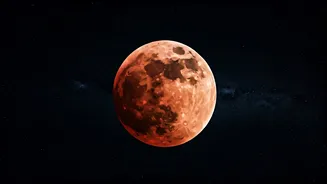
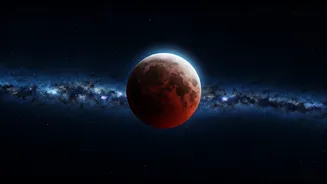
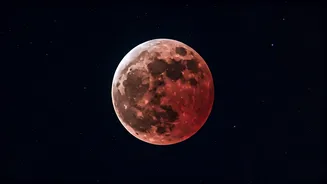
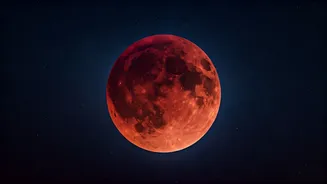
with the penumbral stage at approximately 10:11 PM IST on March 3rd. Following this, the partial eclipse will begin around 11:15 PM IST, as the Earth's shadow starts to obscure the Moon more significantly. The truly captivating phase, the total lunar eclipse or 'Blood Moon,' will commence at 12:33 AM IST on March 4th and will last for a substantial duration, making it a prime time for observation. The total phase will conclude at 01:45 AM IST on March 4th, with the partial eclipse ending at 02:59 AM IST. Finally, the penumbral eclipse will complete its transit at 03:55 AM IST on March 4th, concluding the celestial display. Understanding these precise timings is crucial for planning your viewing experience.
City-Wise Visibility
For enthusiasts across India, visibility will largely depend on local atmospheric conditions and clear skies. Major metropolitan areas like Delhi, Mumbai, Kolkata, Chennai, and Bengaluru are expected to have excellent views, provided weather permits. In the northern regions, cities such as Lucknow and Jaipur will also offer great vantage points for the eclipse. Residents in the eastern parts of the country, including Guwahati, can anticipate a clear spectacle. Similarly, western cities like Ahmedabad and southern hubs such as Hyderabad will have ample opportunities to witness the event in its entirety. While the eclipse's stages are universal, the duration of totality and the clarity of the Moon's appearance might vary slightly due to geographical location and prevailing weather patterns. It's advisable to check local weather forecasts closer to the date.
Viewing Tips
Witnessing a total lunar eclipse is a straightforward yet profoundly rewarding experience, requiring minimal equipment. The most important factor is finding a location with minimal light pollution and an unobstructed view of the eastern sky. Unlike solar eclipses, lunar eclipses are safe to observe with the naked eye, binoculars, or telescopes. Binoculars can enhance the view by revealing surface details on the Moon and the subtle color changes during the eclipse. For those interested in astrophotography, a camera with a tripod and a telephoto lens can capture stunning images. Ensure you are comfortable and prepared for the viewing duration, as the total phase offers a significant window for observation. Bring a chair or blanket for comfort, and enjoy this natural wonder.