






Preparation is Key
Many DIY projects stumble not due to grand errors, but from overlooking fundamental preparation steps, which ultimately inflates the time spent correcting
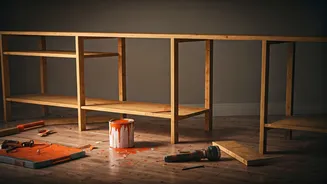
issues. This is particularly evident in tasks like cabinet painting, where failing to thoroughly clean and degrease surfaces can lead to paint adhesion problems, resulting in a subpar finish. Experts emphasize that even seemingly simple home improvements require meticulous groundwork. For instance, rushing through the initial cleaning and sanding of cabinets means grease and grime will inevitably affect the paint job, making it peel or look uneven. The principle extends beyond painting; for any task involving a surface finish or structural integrity, a solid, clean, and properly prepared foundation is paramount. Ignoring this critical stage means you’ll be spending more time rectifying mistakes rather than enjoying the finished product.
Right Tools, Right Job
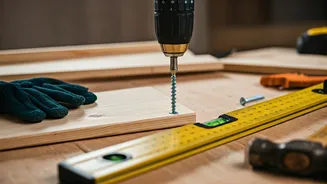
A common source of frustration in DIY endeavors, especially in gardening, is the use of inappropriate tools. Employing dull or ill-suited equipment can transform a straightforward task into a difficult ordeal, potentially causing damage. For instance, using blunt pruning shears on plants not only makes trimming arduous but can also inflict wounds that hinder recovery and growth, as supported by horticultural research. The right tools, like sharp, garden-specific shears, facilitate clean cuts that allow plants to heal efficiently and promote robust development. Beyond gardening, this principle applies universally; using a screwdriver as a pry bar, for example, can damage both the tool and the material. Investing in and properly maintaining the correct tools for each specific task significantly enhances efficiency and prevents unintended damage.
Strategic Planning Prevails
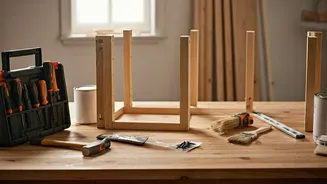
A significant pitfall for DIYers is diving headfirst into a project without adequate planning, often influenced by seemingly simple tutorials online. These resources frequently omit crucial details about preparation, safety, and the full scope of required steps, leading to unforeseen complications. Without a thorough plan, individuals might lack necessary materials, encounter unexpected structural issues, or overlook safety precautions, thereby complicating the task and extending its duration. This oversight can result in rushed work, compromised safety, and a less-than-ideal outcome. A well-thought-out plan, however, anticipates potential problems, ensures all necessary tools and materials are on hand, and establishes a safe working environment, making the entire process smoother and more predictable.
Mindful Execution Matters
The temptation to rush through DIY projects is strong, often stemming from mental fatigue that impairs decision-making, as indicated by psychological studies. When energy levels dip, people are more prone to skipping steps, taking shortcuts, or opting for quicker methods that may not be durable. This can manifest in using tools incorrectly or neglecting finishing touches. For instance, forgetting small but significant details like cabinet knobs or under-cabinet lighting can diminish both the aesthetic appeal and practical functionality of a renovated space. Conversely, incorporating small upgrades, such as improving insulation or installing energy-efficient lighting, can substantially ease future maintenance and enhance living comfort. Focusing on deliberate execution, rather than speed, ensures quality and longevity.