





Initial Hopes, Crushing Realities
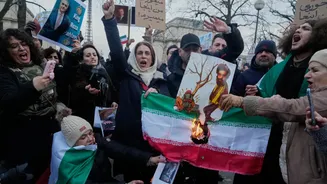
In 1979, the Iranian Revolution sparked immense hope and excitement among the populace. The people rallied around promises of a new society, one free from
prior constraints. As time passed, the initial enthusiasm gave way to disillusionment and regret. The very individuals who championed the revolution later found themselves grappling with the harsh realities that emerged. The ideals of the revolution slowly began to crumble as repression became more prevalent. The shift from a society envisioned with openness and freedom to one marked by control and restrictions stands as a stark reminder of the revolution's unfulfilled potential and the tragic cost of its path.
Shirin Ebadi's Apology Explained
Shirin Ebadi, a prominent figure, initially supported the revolution, even expressing public approval. However, in later years, she has expressed deep remorse for the direction the nation took. Ebadi's words carry considerable weight, offering a glimpse into the collective sense of disappointment felt by many Iranians. She symbolizes the profound regrets of an entire generation that witnessed the revolution's evolution. Ebadi's apology is a significant event. It is a powerful message to the younger generation, acknowledging the mistakes of the past. Her words now resonate deeply within Iran, reflecting a desire for reflection and healing.
Years of Consequences
The revolution's impact extends far beyond the initial years. The repercussions have echoed through multiple decades, shaping the lives of generations. The cost has been significant, encompassing both human suffering and societal upheaval. The policies adopted, the suppression of dissent, and the limitations on freedoms had a long-lasting effect on the country's development. Understanding the long-term consequences of the revolution is crucial for comprehending modern Iran. It sheds light on the challenges that persist and the ongoing struggle for a better future, emphasizing the need to learn from the past.
Ebadi’s Words: Why Now?
The timing of Shirin Ebadi's expressions of regret is noteworthy. The circumstances that have prompted her to speak out now reveal important details about Iran's current state. Her statements can be seen as part of a wider conversation. This could be due to factors like political and social dynamics. Her words represent a search for historical truth, an acknowledgment of past faults, and perhaps a call for future change. Ebadi's words can provide a window into the country's collective psyche. They may be interpreted as a message of resilience, a reminder that the path to a better future involves coming to terms with the past, which is crucial for the ongoing dialogue within the nation.