






The Metallic Sip Mystery
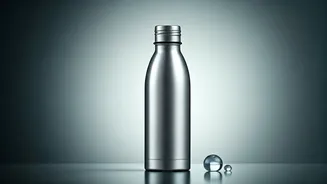
The refreshing sip you anticipate from your steel water bottle can sometimes be marred by an unexpected metallic flavor. This peculiar taste often leaves
users questioning its normality and potential health implications. However, according to specialists, this metallic sensation is typically more a reflection of the bottle's construction quality rather than the water itself. The materials used in manufacturing, particularly the grade of stainless steel and the finishing of the interior surface, play a crucial role. Lower-quality steel or inadequate internal polishing can lead to subtle reactions with the water, especially when exposed to heat, moisture, or acidic substances, resulting in this unappetizing metallic note. Even the residue from previous beverages or minerals from tap water, if not properly cleaned, can contribute to altering the water's taste over time, creating a less-than-ideal drinking experience.
Steel Grades & Layers Explained
Not all stainless steel is created equal, and this distinction is key to understanding metallic tastes. High-grade stainless steel, specifically identified as 304 or 316, is generally deemed safe and inert for food and beverage storage. These grades boast superior resistance to corrosion and chemical interactions, minimizing the likelihood of leaching compounds that could affect the taste of your water. Conversely, less expensive bottles might incorporate lower-grade steel or feature less refined interior surfaces. Over extended periods, the constant interaction with moisture, fluctuating temperatures, or acidic drinks like lemon water can cause these inferior materials to react, subtly releasing metallic elements that taint the water. Regarding double-layered bottles, while they offer insulation benefits, they do not inherently enhance the chemical safety of the water. The fundamental safety still hinges on the intrinsic quality of the steel employed, irrespective of the number of layers. However, the insulation provided by double-walled designs can indirectly support hygiene by keeping water cooler for longer, thereby slowing down potential microbial growth, especially in warmer environments.
Ensuring Freshness Always
To banish that unwelcome metallic taste and ensure every sip from your steel bottle is pure and enjoyable, a few proactive measures are recommended. Primarily, it's advisable to select bottles manufactured from high-quality stainless steel, specifically grades 304 or 316, known for their durability and inert properties. It's also prudent to avoid prolonged storage of acidic beverages, such as those containing citrus fruits, as they can exacerbate reactions with the steel. Regular cleaning is paramount; washing the bottle with a mild detergent and allowing it to air dry completely after each use will prevent the buildup of residues and minerals. Furthermore, regular inspection for any signs of wear, such as rusting or pitting, is essential. If you notice any persistent damage or an unresolvable odor, it's best to replace the bottle to guarantee the integrity of your drinking water. Adhering to these practices can significantly enhance your hydration experience, offering a consistently clean and refreshing taste.