


A Surreal Floating Realm
Imagine a place where the ground beneath your feet subtly sways, a sensation akin to walking on a gentle, living mass. This is the captivating reality
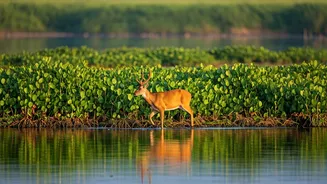
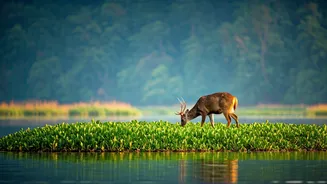
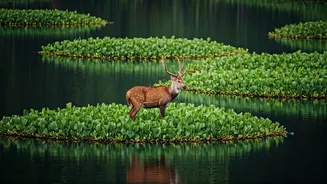
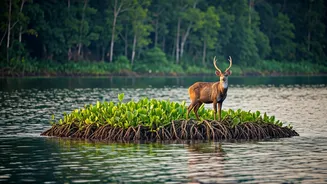
of Keibul Lamjao National Park, nestled in the northeastern Indian state of Manipur. This remarkable park, encompassing 40 square kilometers, is a part of Loktak Lake, the largest freshwater lake in the region. What sets Keibul Lamjao apart is its extraordinary foundation: it is built entirely upon 'phumdis,' which are dense, natural conglomerations of vegetation and soil that form buoyant rafts. These phumdis drift and shift with the changing seasons, creating a dynamic and ever-evolving landscape that feels otherworldly. The crisp air, the refreshing breeze off the lake, and the pervasive tranquility, punctuated only by the calls of birds, combine to create an immersive natural experience that leaves visitors in awe.
The Enigmatic Sangai Deer
The undisputed jewel of Keibul Lamjao is the Sangai, often referred to as the 'dancing deer.' This critically endangered species is found nowhere else on Earth, and witnessing its delicate movements across the floating phumdis is a truly magical spectacle. The Sangai navigates its unique habitat with an ethereal grace, each step precise and light on the buoyant surface. Its presence in the park is deeply intertwined with the cultural identity of Manipur, holding significant symbolic value for the local communities. For travellers, an encounter with the Sangai is an unforgettable moment, a rare privilege that elicits a breath-holding fascination with its mesmerizing dance and profound connection to this ephemeral environment.
Biodiversity Beyond Sangai
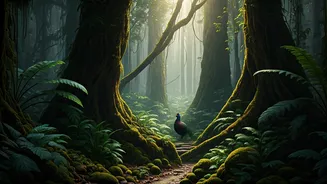
While the Sangai deer captures much of the attention, Keibul Lamjao National Park is a thriving ecosystem teeming with a rich variety of wildlife. Over 100 different species of birds call this floating paradise home, their vibrant plumage and varied calls adding to the park's lively atmosphere. From majestic raptors soaring through the mist to smaller, colorful species flitting amongst the vegetation, the avian diversity is astounding. The lake itself supports a unique aquatic life, and the surrounding flora contributes to the overall ecological richness. Even without a direct sighting of the elusive Sangai, the constant activity of the park's other inhabitants ensures that there is always something captivating to observe, making every moment spent here a discovery of nature's resilience and beauty.
Planning Your Visit
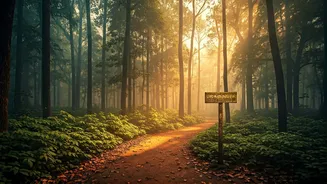
To best experience the ethereal beauty of Keibul Lamjao, an early morning visit is highly recommended. As the morning mist gracefully dissipates, wildlife activity tends to increase, offering greater chances for sightings. Local guides are invaluable for navigating the park safely, as they possess intricate knowledge of which areas of the phumdis are firm enough for walking and which might be less stable. Accommodation is available in the vicinity of Loktak Lake, rather than within the park itself, allowing visitors to immerse themselves in the local culture. The region's cuisine is a delightful reflection of its environment, with fresh, flavorful dishes drawing heavily from the bounty of the lake and land. The ideal time to visit is between November and March, when the skies are clear, the waters are calm, and wildlife is most active. It's advisable to avoid the monsoon season due to unpredictable water levels and potential accessibility issues. Most travelers reach Keibul Lamjao via Imphal International Airport, followed by a convenient drive to Loktak Lake.