






Network Wide Disruptions
The Verizon network experienced significant disruptions, impacting a large number of wireless customers throughout the United States. Reports flooded in from
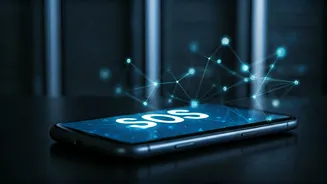
various cities, indicating the widespread nature of the outage. Users were unable to make or receive calls, and data services were also affected. The issue led to the display of 'SOS' on numerous mobile phones, indicating that the devices were unable to connect to the network. This incident caused frustration among users who relied on Verizon for their communication and data needs. The network issues highlighted the vulnerability of digital communication infrastructures to unforeseen disruptions and highlighted how dependent people have become on continuous access to these services.
User Impact & Response
The impact of the Verizon outage was immediately felt by customers across the country. Many users were unable to place emergency calls or access essential data services. Social media platforms became filled with user reports and complaints. The inability to communicate or access data services created significant inconvenience for both personal and business users. The issue triggered a rapid response from Verizon, with their technicians working to identify and resolve the problem. The communication about the outage from the company was crucial, as affected individuals sought updates. Customers looked for details on what had happened and how long it would be until they could use their devices as normal. The incident demonstrated the reliance on cellular networks in modern life and the importance of prompt and effective crisis management by service providers.
What Does SOS Mean?
The display of 'SOS' on a mobile phone during the Verizon outage indicated that the device was unable to connect to the carrier's network. This status signifies that the phone is attempting to locate a signal, but is unsuccessful. The system will attempt to find any available network, including other carriers' networks, and display 'SOS' until a usable signal is found. For many users, this meant they could not make calls or use data services. The presence of 'SOS' underscores the importance of a functioning network. When a mobile device cannot connect to a network it causes a problem. Users rely on the services that their carriers provide, and an outage can have a massive impact.
Outage Scope and Causes
While details of the Verizon outage remain unclear, it's evident that the disruption reached a broad spectrum of users across several US cities. The specific cause of the outage was not immediately specified, but network-related problems were likely the source. Various factors can bring about an outage, ranging from software glitches and hardware failures to external threats. These disruptions highlight the complex nature of network infrastructures and the potential for these systems to experience issues. Once the issue was understood, Verizon was likely to have taken measures. It is important to remember how important these services are and the reliance people have on their digital devices to work when called upon.
Looking Ahead
Once the Verizon network issue was resolved, it provided a valuable opportunity for introspection. It underscores the necessity of robust network infrastructure. The need for constant monitoring and proactive maintenance is clear, so that potential issues can be spotted before they bring down services. Users' experiences during the outage reinforce the significance of having alternative means of communication. The incident served as a reminder of the dependency on digital services and the necessity for carriers to be prepared for any issues. As users get back online, the hope is that they will also remember how valuable their ability to use their devices has become.