


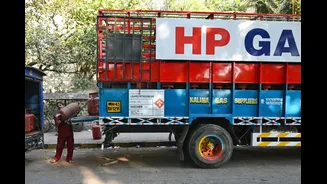

Disruptions Across Sectors
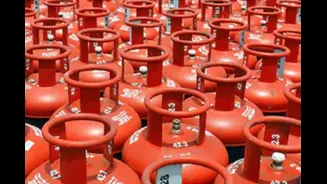
A growing scarcity of Liquefied Petroleum Gas (LPG) is beginning to ripple through various essential services in India, with the railway catering sector
now feeling the strain. This disruption is reportedly linked to a reduction in Liquefied Natural Gas (LNG) supplies, a situation exacerbated by ongoing geopolitical conflicts in the Middle East. The effects are already being observed in hotels, restaurants, and smaller food establishments, many of which are forced to scale back their offerings or seek alternative energy sources to continue operations. This widespread impact highlights the vulnerability of essential services to global energy market fluctuations and supply chain interruptions, suggesting that the issue is not isolated to one industry but is a broader challenge affecting daily life across the nation.
IRCTC Faces Food Woes
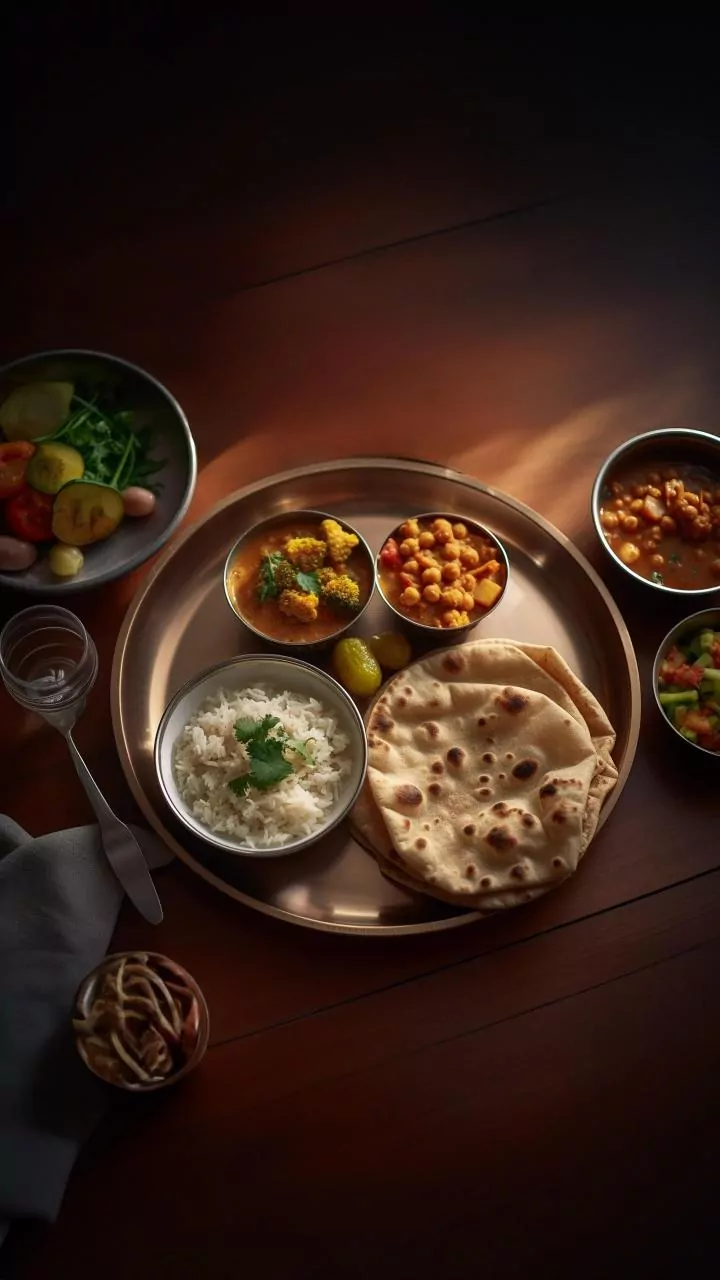
The Indian Railway Catering and Tourism Corporation (IRCTC), responsible for all food services aboard trains, is now confronting the direct consequences of the LPG shortage. In response to the supply challenges, IRCTC is actively exploring the temporary suspension of cooked meal services for passengers. For those who have already booked meals when purchasing their train tickets, the possibility of receiving refunds is being seriously considered if these services are indeed halted. This situation could necessitate travellers bringing their own food for longer journeys, fundamentally altering the typical dining experience on Indian trains and presenting a significant logistical challenge for both the IRCTC and its passengers.
Alternative Cooking Methods
In an effort to mitigate the impact of the LPG crisis, IRCTC has issued directives to its affiliated food service providers. Licensees operating at railway stations, including food plazas, refreshment rooms, and Jan Aahar outlets, have been instructed to transition to alternative cooking technologies. This includes a strong recommendation to utilize appliances such as microwave ovens and electric induction systems wherever feasible. Furthermore, these vendors are required to implement their pre-established contingency plans to ensure the continuity of food services with minimal disruption to passengers. This proactive approach aims to maintain essential services despite the pressing fuel scarcity.
Impact on Base Kitchens
The LPG shortage is not merely affecting food preparation at station outlets but is also significantly impacting IRCTC's crucial base kitchens. These facilities are responsible for preparing the bulk of meals that are subsequently loaded onto trains. While pantry cars primarily serve as distribution and reheating hubs and typically do not store large quantities of LPG cylinders, the disruption in supply to the base kitchens is already causing a noticeable slowdown in meal preparation. This bottleneck directly affects the availability of meals for long-distance trains, indicating a systemic issue within the food supply chain for railway catering services.
Scale of Operations
IRCTC's extensive catering network is responsible for serving a staggering volume of nearly 17 lakh meals daily across the entire Indian railway system. This substantial operation relies heavily on a consistent supply of cooking fuel. Notably, the western zone of the country accounts for approximately 20 percent of these daily meals, making it particularly susceptible to the ongoing LPG shortage. Railway officials have characterized the situation as serious and anticipate it could escalate further in the coming days, underscoring the magnitude of the challenge and the potential for widespread impact on passenger services.
Global Energy Pressures
The current LPG shortage in India is intricately linked to the broader West Asia crisis, which has led to a recalibration of domestic natural gas allocation priorities by the government. LPG, along with Compressed Natural Gas (CNG) and piped cooking gas, has now been elevated to the highest priority for allocation. This shift directly affects the supply available to hotels and restaurants that depend on commercially priced LPG, leading to increased scarcity. The situation is further compounded by rising global tensions threatening critical oil transit routes, such as the Strait of Hormuz, which handles a significant portion of the world's oil and gas supply.
Alternative Transport Routes
Amidst escalating tensions between major global powers that could potentially disrupt oil shipments through the vital Strait of Hormuz, the global energy market is increasingly looking towards alternative transportation routes. Two prominent land-based pipelines offer a degree of redundancy for crude oil transport. Saudi Arabia operates the East-West pipeline, spanning approximately 746 miles from its oil-rich eastern region to the Red Sea port of Yanbu. Concurrently, the United Arab Emirates has its Habshan-Fujairah pipeline, which facilitates the movement of crude oil from Abu Dhabi to Fujairah, thereby bypassing the Strait of Hormuz entirely. These routes are crucial for maintaining energy flow during periods of geopolitical instability.