






Introduction to Water Metro
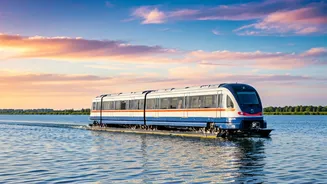
India's Water Metro represents a significant advancement in public transportation, designed to integrate waterways into the urban transit network. This
project focuses on utilizing the existing water bodies, such as rivers and lakes, to create an efficient and sustainable mode of transport. The Water Metro aims to improve connectivity within cities and between different regions, especially in areas with extensive waterways, with a specific focus on reducing traffic congestion on roads and making travel more convenient for commuters. The initiative is a multi-faceted approach to urban development, prioritizing both environmental sustainability and enhanced public mobility. By leveraging water resources, the Water Metro offers a potentially cleaner and more cost-effective alternative to traditional transport systems.
Benefits of the Water Metro
The advantages of India's Water Metro extend beyond simple transportation, providing several crucial benefits for urban areas. First and foremost, the Water Metro helps alleviate traffic congestion, which is a common issue in densely populated cities. By shifting commuters from roads to waterways, the project can reduce commute times and improve overall traffic flow. Moreover, the Water Metro can contribute to environmental sustainability, reducing carbon emissions compared to conventional transport methods. The project often uses electric or hybrid vessels, minimizing the impact on air quality and lessening the carbon footprint of urban transport. In addition to environmental and infrastructural benefits, the Water Metro offers enhanced connectivity, linking different parts of a city and potentially extending to connect with neighboring areas or regions. This improved accessibility has the potential to boost economic activity and enhance the quality of life for residents.
Impact on Urban Connectivity
The introduction of the Water Metro can dramatically improve urban connectivity by integrating waterways into the public transport network. This means that people have an alternative means of travel that is often faster and more direct than relying on road transport. By building new routes and establishing links to existing transport hubs, such as train stations and bus terminals, the Water Metro creates a seamlessly integrated transport system. This integrated approach allows for a smooth transition between different modes of transport, thereby streamlining the commuter experience. As a result, the Water Metro facilitates increased accessibility to key areas within cities and promotes economic activity, making it easier for people to access employment, education, healthcare, and recreational facilities. Ultimately, this enhanced connectivity can improve the overall quality of life in urban areas.
Sustainability and Innovation
The Water Metro initiative underscores a strong commitment to both sustainability and innovation in urban transport. The project typically integrates sustainable practices by using electric or hybrid vessels, which helps reduce air pollution and lower the carbon footprint of the transport system. This emphasis on green technologies makes the Water Metro a more environmentally friendly alternative compared to traditional fuel-powered vehicles. Furthermore, the Water Metro initiative often embraces innovative technologies, such as advanced navigation systems, smart ticketing, and efficient vessel designs, to enhance the overall effectiveness and user experience. By merging these sustainable practices and technological innovations, the Water Metro model sets a precedent for environmentally conscious urban development and transport solutions.
Future Prospects
Looking ahead, the future of India's Water Metro holds substantial potential for growth and expansion. The project has the possibility to extend to more cities and regions, enabling improved connectivity across the country. As the system develops, there may be developments in technology, such as automated vessel operations and more advanced energy-efficient designs, to enhance operational efficiency. In the long term, the widespread adoption of the Water Metro could reshape urban planning by encouraging more sustainable transport options and reducing reliance on private vehicles. The successful implementation of the Water Metro could also inspire similar projects in other regions worldwide, contributing to a global shift toward more efficient, eco-friendly, and accessible public transit systems.