
Khichdi: The Classic
Moong Dal Khichdi is often considered the heart of a Makar Sankranti meal. It is a simple yet satisfying dish made with rice, lentils (typically moong
dal), and spices. This Khichdi symbolizes prosperity and good health, making it an integral part of the festivities. The preparation method may vary across different regions, but the essence remains the same: a comforting, wholesome meal, that's both easy to digest and deeply rooted in tradition. It's often garnished with ghee and served with accompaniments like yogurt, papad, and pickle, enhancing the overall experience. Making khichdi is simple, it just requires basic ingredients and is a great way to start your festive feast.
Til Ladoo: Sweet Wishes
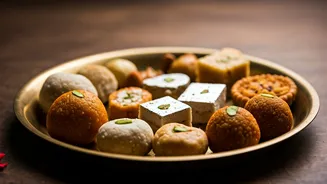
Til Ladoo, or sesame seed balls, is a classic sweet enjoyed during Makar Sankranti. The sesame seeds are roasted and mixed with jaggery or sugar, then formed into small, round balls. This sweet treat is not only delicious but also carries symbolic meaning. The use of sesame seeds and jaggery is believed to bring warmth and good luck. The preparation varies slightly, depending on regional preferences, with some recipes including peanuts, dry fruits, or cardamom for added flavor. These laddos are easy to make and are perfect for sharing with family and friends, representing the sweetness of the festival.
Gajak: Crunchy Delight
Gajak, a crunchy sweet made with sesame seeds and jaggery, is another popular treat for Makar Sankranti. The sesame seeds are combined with melted jaggery and then flattened into thin sheets. Gajak offers a satisfying crunch and a rich, sweet flavor. It is a winter staple and is believed to generate heat in the body. Gajak's preparation is relatively straightforward, but the quality of the ingredients is key to achieving the perfect taste and texture. This delicacy is enjoyed widely across North India during this harvest festival.
Undhiyu: Gujarati Specialty
Undhiyu is a mixed vegetable dish, a specialty of Gujarat, cooked upside down in earthen pots. This unique cooking method gives the vegetables a distinct smoky flavor. The dish is typically prepared with a variety of seasonal vegetables and spices, including green beans, potatoes, eggplants, and more. Undhiyu is a labor-intensive dish, but the end result is a flavorful, aromatic, and satisfying meal. The vegetables are often cooked with a mix of herbs and spices, making it a flavorful and heart-warming dish. Undhiyu is often served with hot puris and jalebis, making it a complete and satisfying meal for Makar Sankranti.
Puran Poli: Sweet Bread
Puran Poli is a sweet flatbread popular in Maharashtra, typically made during festive occasions like Makar Sankranti. It consists of a sweet filling made from chana dal (split chickpeas), jaggery, and spices, stuffed inside a roti-like dough. It is a hearty and flavorful dish that's often served with ghee and a side of kadhi. Puran Poli is considered an auspicious dish and is a symbol of prosperity. The preparation requires skill and patience, but the delicious taste makes it well worth the effort. It is a delightful combination of sweet and savory flavors.
Payasam: Rice Pudding
Payasam, a creamy rice pudding, is a cherished dessert during Makar Sankranti. Made with rice, milk, sugar, and flavored with cardamom and dry fruits, payasam represents sweetness and abundance. Regional variations include different types of rice and additions such as vermicelli or lentils. The slow cooking process allows the flavors to meld, creating a rich and aromatic dessert. Payasam is often served warm and is a fitting end to a festive meal, symbolizing happiness and prosperity. Making payasam at home is a simple yet fulfilling process, perfect for the holiday.
Chikki: Peanut Brittle
Chikki, a popular brittle made with peanuts and jaggery, is a must-have during Makar Sankranti. Peanuts are roasted and mixed with melted jaggery, then flattened and cut into bite-sized pieces. It offers a satisfying crunch and a delightful sweet taste. Chikki is a simple yet satisfying treat, perfect for snacking. Available in many variations, some recipes add sesame seeds, nuts, or other ingredients for extra flavor. Chikki is both easy to make and widely available, making it a perfect treat to share and enjoy during the festivities.
Gur ki Roti: Jaggery Bread
Gur ki Roti, or jaggery bread, is a traditional bread made with wheat flour, jaggery, and spices. The combination of sweet jaggery with the earthy flavor of wheat flour makes this a delightful treat, especially during the colder months of Makar Sankranti. Often flavored with cardamom or fennel, these rotis are usually pan-fried or roasted. This bread represents warmth and is often served with ghee or a side of curd. It is a simple yet satisfying dish perfect for a festive breakfast or snack. Its preparation is easy to follow, making it accessible to cooks of all skill levels.
Pongal: South Indian Rice
Pongal, a rice and lentil dish cooked with milk and jaggery, is particularly significant in South India. It is traditionally made in a new pot, symbolizing prosperity and new beginnings. The ingredients are cooked until they form a thick, creamy consistency. Pongal is often flavored with cardamom, cashews, and raisins, adding richness and aroma. This dish is considered auspicious and is a central part of the harvest festival celebrations. The communal cooking and sharing of Pongal exemplify the spirit of togetherness and gratitude.
Dahi Chura: Flattened Rice
Dahi Chura is a simple yet wholesome dish often enjoyed during Makar Sankranti, especially in regions of Bihar and Uttar Pradesh. It is a combination of flattened rice (chura), curd (dahi), and jaggery. This dish symbolizes the simplicity and purity of the harvest festival. The combination of textures and flavors makes it both delicious and refreshing. Dahi Chura is a quick and easy-to-make dish, representing the simple joys of the festival. It is a light and satisfying meal or snack, perfect for a sunny day of kite flying and celebrations.