



Artemis II: A Prelude
The Artemis II mission is a crucial step in NASA's broader Artemis program, which aims to establish a long-term human presence on the Moon. This mission serves
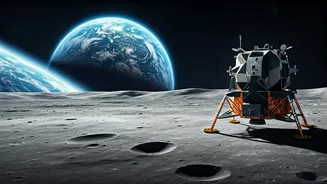
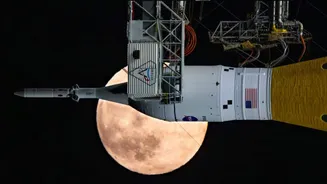
as a critical test for the Orion spacecraft and the Space Launch System (SLS) rocket, assessing their capabilities for future lunar missions. Artemis II will not land on the Moon; instead, it will perform a crewed flyby, providing essential data and experience for subsequent missions that will involve lunar surface exploration. The successful completion of this mission will validate the hardware and procedures necessary for longer missions, including those involving lunar surface exploration and the establishment of a base camp on the Moon. This will set the stage for further missions.
Mission Objectives Unveiled
Artemis II's primary objectives are centered on ensuring the safety and readiness of the spacecraft and its life support systems for future crewed lunar missions. During the ten-day flight, the crew will thoroughly assess the Orion spacecraft's performance, from its propulsion systems to its environmental controls. This thorough assessment includes evaluating the spacecraft's ability to handle the harsh conditions of space, including intense radiation and extreme temperatures. The mission will also provide valuable training for the astronauts, preparing them for the challenges of deep-space travel. Astronauts will also test communication systems and verify emergency procedures. This mission also plays a crucial role in advancing human space exploration. These tests are essential for ensuring the safety and success of Artemis III, which will aim for a lunar landing.
Astronauts: Deep Space Crew
The crew of Artemis II is composed of experienced astronauts selected for their expertise and dedication to the mission. These astronauts are undergoing extensive training to prepare for the unique challenges of a lunar flyby. Training includes simulations of various mission scenarios, including launch, orbital maneuvers, and potential emergency situations. They are also being trained to monitor the spacecraft's systems, perform scientific experiments, and maintain communication with mission control. Their preparations are not only technical but also physical and psychological, as they must be ready to endure the stresses of spaceflight. Each astronaut brings a unique background and set of skills that will be crucial to the mission's success. The crew will be responsible for navigating, operating, and ensuring the safety of the Orion spacecraft throughout the mission.
The Launch Window Explained
NASA has set a launch window for Artemis II, targeting February 2026. This window takes into account many factors, including the alignment of the Earth and the Moon, and the availability of the required launch infrastructure. The launch window is also determined by the need to ensure optimal solar conditions for the spacecraft's power systems and the astronauts' health. Mission planners analyze numerous factors to establish the precise timing for launch. The timing of the launch is also affected by factors such as the readiness of the spacecraft, weather conditions, and the availability of support personnel. The launch date is subject to change based on the evaluation of test results and the progress of preparations. The launch window ensures that the mission can proceed safely and efficiently, maximizing the chance of a successful outcome.
Significance of Artemis II
The Artemis II mission holds significant importance for several reasons. Firstly, it marks the first time that humans will travel to the vicinity of the Moon in over five decades, serving as a symbolic return to deep-space exploration. The mission will test critical systems and procedures that are essential for future lunar missions, including the establishment of a sustained human presence on the Moon. The success of Artemis II is essential for the future of space exploration, including upcoming missions to Mars and beyond. This mission helps establish the necessary foundation for future explorations of our solar system, driving scientific discovery, and inspiring future generations of explorers and scientists. It also represents a crucial step in international collaboration in space exploration.
Technology and Innovation
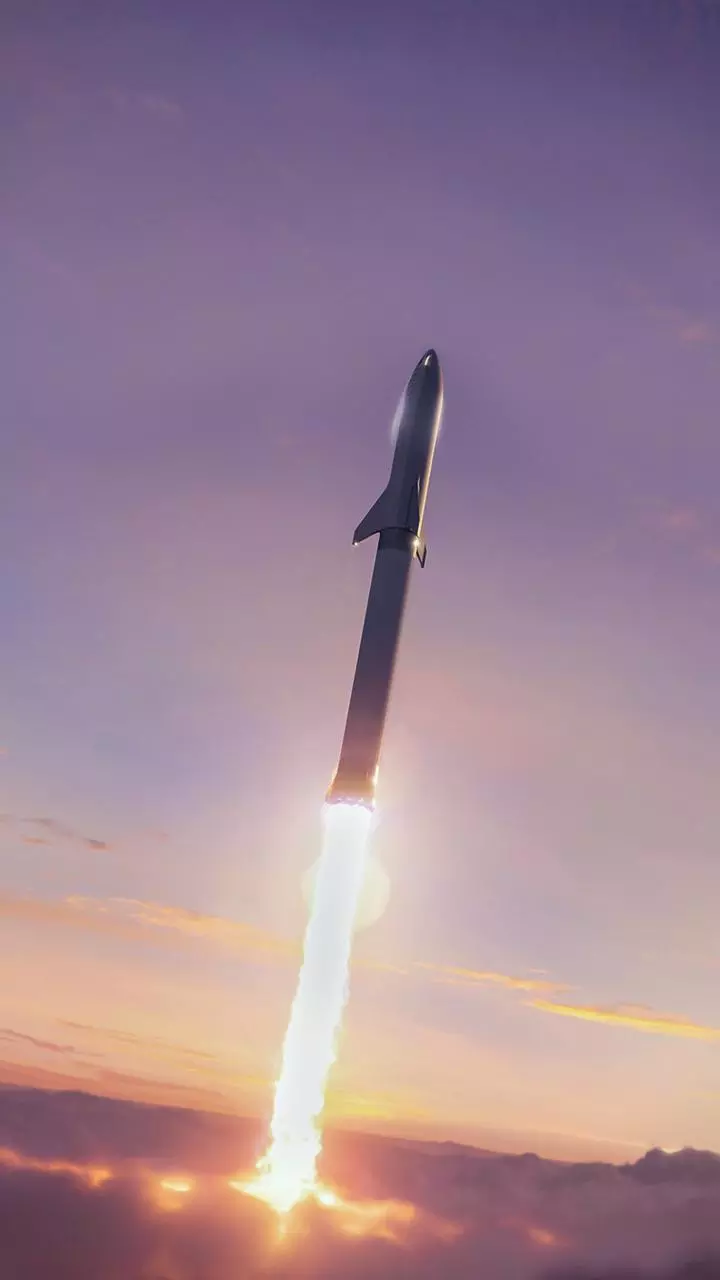
Artemis II showcases advancements in space technology and engineering. The Orion spacecraft, designed to carry astronauts into deep space, incorporates cutting-edge technologies. The Space Launch System (SLS) rocket, the most powerful rocket ever built, provides the necessary thrust to send the Orion spacecraft towards the Moon. The mission also involves innovative life support systems, which ensure the crew's health and safety during the extended mission. The advancements in materials and manufacturing processes are essential for creating spacecraft capable of withstanding the harsh environment of space. In addition to these advancements, Artemis II also incorporates enhanced navigation and communication systems, which facilitate real-time data transfer and communication between the astronauts and ground control. The development of advanced technologies also fosters innovation in various industries, leading to new products and technologies.