
A Festive Introduction
Makar Sankranti, a joyous celebration of the harvest and the sun's journey north, is a time when families gather, kites fill the skies, and tables overflow
with delicious food. The festival, observed with great enthusiasm throughout India, witnesses a delightful array of regional specialties, each dish reflecting the unique culinary traditions of different states. From the comforting warmth of Khichdi to the irresistible sweetness of Ladoos, the food of Makar Sankranti symbolizes prosperity, gratitude, and the spirit of togetherness. This article takes you on a flavorful exploration of 10 traditional Makar Sankranti foods, offering a glimpse into their history, preparation, and cultural significance.
Moong Dal Khichdi
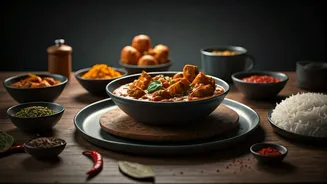
Khichdi is a staple during Makar Sankranti, offering a comforting and wholesome start to the festivities. This dish, often prepared with moong dal (split yellow lentils) and rice, is seasoned with aromatic spices like turmeric, cumin, and ginger. The simplicity of Khichdi is its charm, as it's not only nutritious but also easy to digest, making it perfect for a festive meal. Variations exist across different regions; some may include vegetables, ghee, and a side of yogurt or pickles. The dish represents the fresh start and abundance of the harvest season and is often considered auspicious during the festival.
Til Ladoo Delights
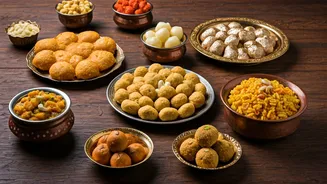
Til Ladoos, sweet balls made from sesame seeds and jaggery, are a quintessential Makar Sankranti treat. The combination of sesame seeds and jaggery is believed to bring warmth to the body during the winter season. These ladoos are not just tasty; they also symbolize good luck and prosperity. The preparation of Til Ladoos varies slightly depending on the region, with some recipes adding peanuts, dry fruits, or cardamom for extra flavor and texture. The act of sharing and eating Til Ladoos among family and friends is a central part of the festival's celebrations.
Gujarati Undhiyu
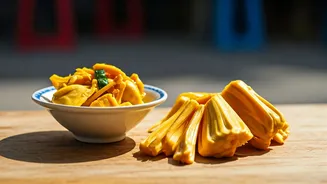
Undhiyu is a specialty from Gujarat, specifically enjoyed during winter, which makes it perfect for Makar Sankranti. This mixed vegetable dish is traditionally cooked in earthen pots (matkas) underground, a process that imparts a unique smoky flavor. The vegetables, including seasonal produce such as eggplants, potatoes, beans, and green peas, are cooked with a blend of spices, herbs, and sometimes yogurt. Undhiyu, often served with puri or paratha, celebrates the diversity of the harvest season, and the slow cooking process ensures all flavors meld perfectly. This dish's earthy taste makes it a must-try for the festive occasion.
Pongal from South
In the South, Pongal is both the name of the festival and a traditional dish. Sweet Pongal, made from rice, lentils, jaggery, and ghee, is prepared on the first day of the festival, representing abundance and prosperity. The dish is cooked in a new pot, often outdoors, and the overflowing of the pongal signifies prosperity and good fortune for the coming year. Pongal is offered to the sun god, symbolizing gratitude for a successful harvest. It’s a dish that embodies the spirit of Makar Sankranti, promoting community and togetherness.
Peanut Chikki Treats
Peanut Chikki, a brittle made from peanuts and jaggery, is another popular sweet enjoyed during Makar Sankranti. The crunchy texture and sweet taste make it a delightful treat. Peanut Chikki is easy to make at home and is a readily available snack during the festival. It is a source of energy and protein, and its simple ingredients reflect the simplicity and purity of the harvest festival. The act of sharing Chikki with others is a common practice during Makar Sankranti, spreading joy and togetherness.
Gajak Sweetness
Gajak, a brittle made from sesame seeds or peanuts and jaggery, is a winter favorite and an essential part of Makar Sankranti. This sweet offers a satisfying crunch and a rich, sweet taste. The ingredients are simple, reflecting the festival's theme of simplicity and natural abundance. The warmth of Gajak is believed to keep the body warm during the cooler months. It's often enjoyed after a hearty meal, and its presence adds to the festive cheer.
Gur ki Roti
Gur ki Roti, a flatbread sweetened with jaggery, is a simple yet satisfying dish that adds a traditional touch to Makar Sankranti. The roti is typically made with wheat flour, jaggery, and sometimes a hint of spices. This dish provides a warm, comforting treat, and the sweetness of jaggery is a classic element of Indian desserts. Gur ki Roti is often enjoyed with ghee, adding to its richness and flavor, making it a wonderful celebratory meal.
Undhiyu's Variations
While the traditional Undhiyu from Gujarat is a star dish, there are regional variations to savor. Some versions include specific local vegetables and spices. This diversity showcases the regional adaptations and the influence of different cultural ingredients. This showcases the incredible variations to be found across the nation. Each iteration of Undhiyu reflects the unique flavors and traditions of the region it comes from, making it an exciting culinary exploration for those celebrating Makar Sankranti.
Kite Flying Feasts
Beyond the delicious food, Makar Sankranti is also marked by kite-flying festivities. Families gather on rooftops and in open spaces to fly kites, adding a vibrant visual dimension to the celebrations. The kite flying is often accompanied by feasts, where traditional food is enjoyed. The joyous atmosphere, the colorful kites, and the aroma of traditional dishes create a memorable experience. It's a time for community, fun, and the shared joy of the harvest season.