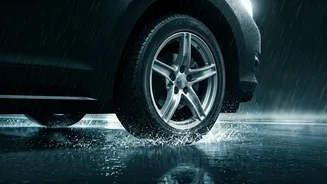








Tyre and Brake Check
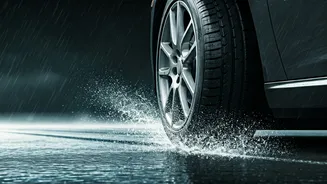
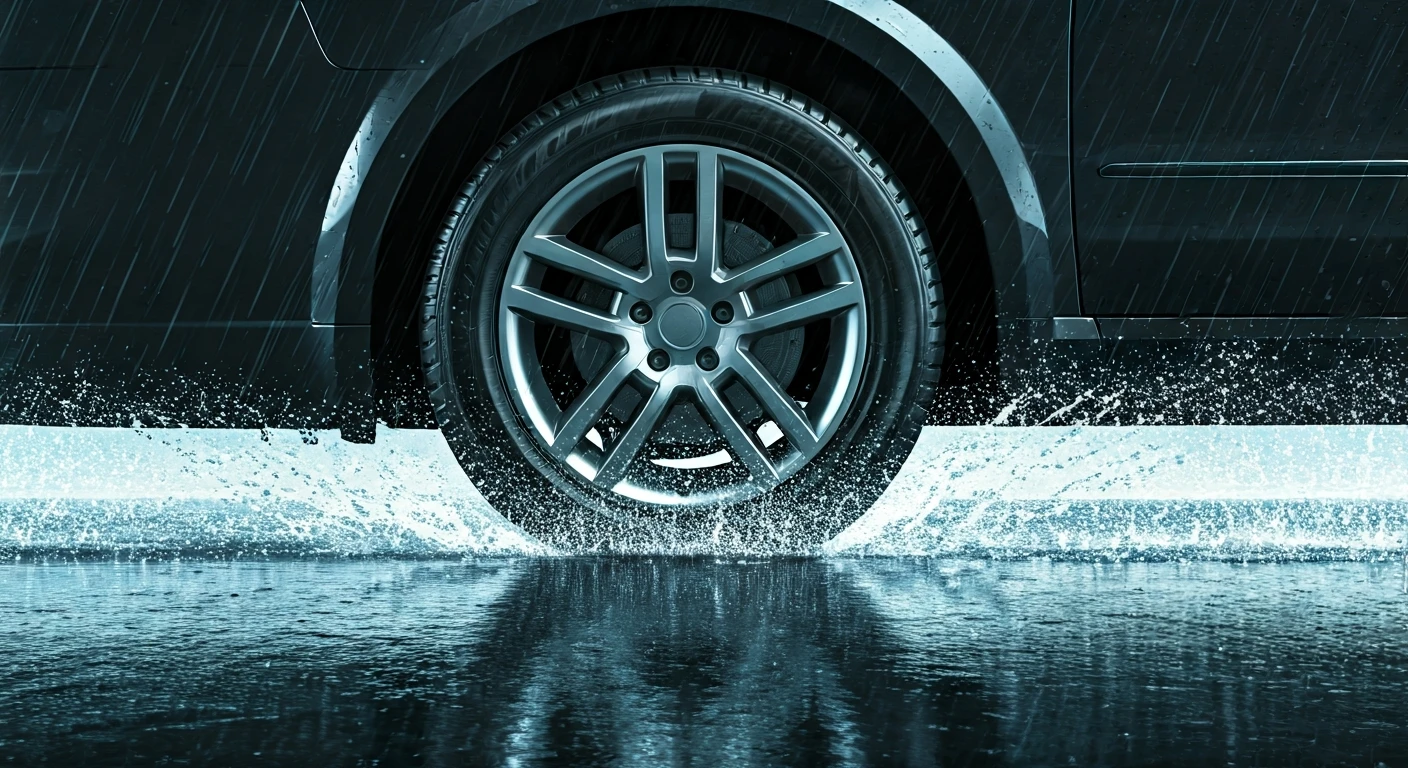
Before venturing out on a rainy day road trip in India, a thorough inspection of your car's tyres and brakes is paramount. Properly functioning brakes are
critical for safe deceleration, especially when encountering sudden traffic stops or navigating slick surfaces. Equally important is the condition of your tyres; their tread depth and overall grip are directly responsible for preventing skids on wet asphalt. Ensuring these components are in optimal working order significantly reduces the risk of losing control and aids in maintaining a secure ride, allowing you to respond effectively to unexpected road conditions.
Strategic Headlight Use
Driving in the rain, even under daylight, necessitates the consistent use of your headlights. The persistent cloud cover and falling rain dramatically diminish visibility, making it challenging for drivers to spot other vehicles and for them to see yours. Keeping your headlights illuminated acts as a beacon, alerting other motorists to your presence on the road. This simple yet vital practice enhances overall road awareness and contributes substantially to a safer driving environment for everyone during inclement weather.
Moderate Your Speed
Wet road surfaces significantly increase the likelihood of vehicle skidding, elevating the potential for accidents. Therefore, it's crucial to adopt a slower and more consistent driving pace throughout your journey when it's raining. Abrupt acceleration or sharp braking can easily lead to a loss of traction and control, potentially causing a dangerous situation. By maintaining a steady speed and avoiding sudden maneuvers, you can navigate slippery conditions with greater stability and safety.
Ample Following Distance
During monsoon drives, it's advisable to extend the gap between your vehicle and the one ahead beyond the standard distance. The braking distance of a car naturally increases on wet roads, meaning it takes longer to come to a complete stop. By maintaining a more generous buffer zone, you provide yourself with the necessary time and space to react safely should the vehicle in front of you decelerate unexpectedly, thereby preventing potential collisions.
Steer Clear of Floods
It is strongly recommended to avoid driving through roads that are heavily waterlogged or submerged, particularly during intense rainfall. Attempting to traverse such areas poses a significant risk to your vehicle's mechanical integrity. Deep water can cause severe damage to the engine and crucial electrical components. Furthermore, these flooded stretches can conceal dangerous road hazards like deep potholes or uneven surfaces, which could lead to accidents and compromise your safety.
Wipers & Defogger Function
Ensuring your windshield wipers and defogger are in peak working condition is another critical pre-journey check for rainy travel. Effective windshield wipers are essential for clearing rainwater and maintaining a clear line of sight, allowing you to see the road ahead without obstruction. Similarly, the defogger plays a vital role in preventing condensation buildup on the inside of your windshield, ensuring unobstructed vision, which is indispensable for safe driving in wet and humid conditions.
Essential Emergency Kit
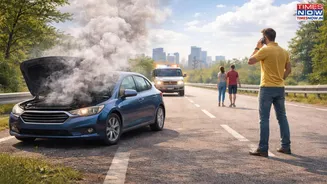
When embarking on a car journey during the Indian monsoon, packing a comprehensive set of emergency items is a prudent measure. Key essentials to include are a reliable flashlight for visibility in low-light conditions, a well-stocked first-aid kit to manage minor injuries, a phone charger to stay connected, basic tools for minor roadside repairs, and sufficient drinking water. Having these items readily accessible can prove invaluable if you encounter unexpected issues or require assistance during your trip.