






Exterior Styling Evolution
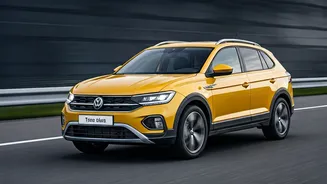
Volkswagen's compact SUV, the Taigun, is preparing for a significant mid-cycle refresh, and recent spy shots offer a clear glimpse of the forthcoming design
changes. The most striking evolution is found at the front, where the headlamps are set to adopt a style reminiscent of the larger Tiguan. These new, sleeker headlamp units will be complemented by an illuminated brand logo in the center, creating a distinctive visual connection. The front bumper also sports revised air intakes, contributing to a more aggressive and modern aesthetic for the vehicle's face. Moving to the rear, the Taigun will embrace the trend of connected tail lamps, a design cue increasingly prevalent in contemporary automotive design. While the overall silhouette of the rear end appears largely consistent with the current model, a new lighting signature within the tail lamps will undoubtedly lend a fresh, updated look. It's also plausible that the alloy wheel designs will receive a contemporary update, further enhancing the SUV's overall visual appeal when it eventually hits the market.
Interior Upgrades & Tech
Beyond the exterior refinements, the Volkswagen Taigun facelift is also expected to benefit from a series of interior enhancements aimed at improving occupant comfort and convenience. While specific details remain under wraps, the cabin is anticipated to receive a revised layout, potentially including a larger touchscreen infotainment system that offers improved responsiveness and a wider array of functionalities. Upholstery updates are also likely, introducing fresh materials and perhaps new color schemes to invigorate the cabin's ambiance. Furthermore, there's a possibility of enhanced feature offerings, mirroring some of the advancements seen in its platform sibling, the Skoda Kushaq. These could include the addition of a panoramic sunroof, which is a sought-after feature in the segment, and potentially even amenities like a second-row massager, elevating the luxury quotient for rear passengers and providing a more premium experience for all occupants.
Powertrain Continuity & Transmission
Regarding the heart of the vehicle, the powertrain options for the updated Volkswagen Taigun are expected to remain largely unchanged, ensuring a familiar driving experience for enthusiasts. This means the robust and efficient 1.0-litre TSI and the more potent 1.5-litre TSI petrol engines will continue to be offered. These engines have been well-received for their performance and fuel efficiency, making them a strong foundation for the facelifted model. However, a notable potential change lies in the transmission department. The current six-speed automatic transmission might be replaced by a new eight-speed torque converter unit, sourced from Aisin. This upgrade could potentially lead to smoother gear shifts, improved refinement, and perhaps even enhanced fuel economy, offering a more sophisticated and seamless driving experience for drivers navigating various road conditions.
Market Positioning & Rivals
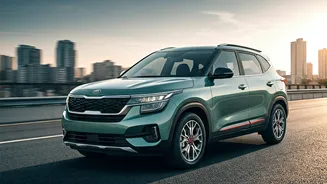
The Volkswagen Taigun, since its introduction in 2021, has established itself as a competitive player in the highly contested Indian compact SUV segment. The upcoming facelift is strategically timed to maintain its relevance and appeal amidst an influx of new and updated rivals. Upon its launch, the refreshed Taigun will continue its spirited competition against a formidable array of established and emerging models. Key rivals will include the Hyundai Creta, the recently updated Kia Seltos, and its corporate cousin, the updated Skoda Kushaq. The landscape also features the Maruti Suzuki Grand Vitara, Honda Elevate, and Toyota Urban Cruiser Hyryder. Furthermore, newer entrants like the Tata Curvv and the upcoming Renault Duster are also set to challenge its position, making the compact SUV segment an intensely competitive arena where the updated Taigun will need to prove its mettle.