






Autopilot System Evolution
Autopilot systems are continually evolving, creating a major shift in the automotive industry. Initially, these systems offered basic features such as adaptive
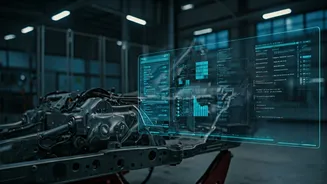
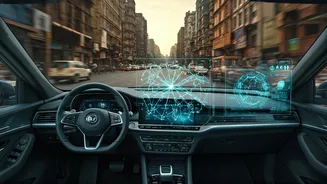
cruise control and lane-keeping assistance. However, over time, the capabilities have advanced significantly. Modern vehicles now feature advanced driver-assistance systems (ADAS) that provide more comprehensive automation. These ADAS systems utilize sensors, cameras, and software to provide functions such as automated emergency braking, parking assistance, and even limited self-driving capabilities on highways. The development of autopilot systems is driven by continuous innovation. Automakers invest heavily in research and development to improve the performance, reliability, and safety of these systems. Furthermore, artificial intelligence and machine learning are playing an increasingly crucial role. These technologies enable vehicles to learn from their environment. This also means that they can adapt to different driving conditions. The ultimate goal is to achieve full autonomy, where vehicles can navigate and operate without any human input. However, there are significant technical, regulatory, and ethical challenges that must be addressed before this goal is reached.
Software for Better Driving
Software updates are a key component of the modern driving experience. These updates play a crucial role in enhancing vehicle performance and introducing new features. Automakers regularly release software updates to improve various aspects of their vehicles. These updates may include enhancements to the infotainment system, engine control unit, and safety features. One of the main benefits of software updates is performance improvement. Automakers can optimize vehicle performance by refining engine management, transmission control, and other systems. Software updates can resolve performance issues. This may include glitches that can affect the driving experience. Security is another critical aspect addressed through software updates. Automakers release updates to patch security vulnerabilities and protect vehicles from cyber threats. Connected vehicles rely heavily on software to communicate with the outside world. Software updates are essential for maintaining the security of these connections. They prevent unauthorized access and protect sensitive data. Software updates also facilitate the introduction of new features. Automakers can add new functionalities and enhance existing features through over-the-air updates. This can include features such as improved driver-assistance systems, enhanced navigation, and entertainment options. Software updates ensure that vehicles remain current with the latest technologies.
Managing Connected Automotive Risks
Connected automotive operations introduce various risks that must be managed. The increasing connectivity of vehicles creates new vulnerabilities that can be exploited by malicious actors. One of the primary risks is cybersecurity threats, as connected vehicles can be targeted by hackers who may attempt to gain control. Cybersecurity breaches can have severe consequences, including data theft, vehicle tampering, and potential safety risks. To mitigate these risks, automakers implement various security measures, such as encryption, firewalls, and intrusion detection systems. Regular software updates are also essential for patching vulnerabilities and ensuring that vehicles remain secure against the latest threats. Another significant risk associated with connected automotive operations is data privacy. Connected vehicles generate a large amount of data about their users, including driving habits, location, and personal information. This data can be valuable but also create privacy concerns. Automakers must implement robust data privacy policies and practices to protect user data from unauthorized access or misuse. This includes obtaining user consent for data collection, providing transparency about data usage, and implementing data security measures. Furthermore, connected vehicles rely on third-party services and infrastructure. This can introduce risks associated with the reliability and security of these services. Automakers must carefully evaluate the security and privacy practices of their partners and ensure they meet the highest standards. This involves conducting regular security audits, implementing robust contractual agreements, and establishing incident response plans. By actively addressing and managing these risks, automakers can ensure that connected automotive operations are safe, secure, and respectful of user privacy.